Nylon fabric is one of the most versatile and widely used synthetic textiles in the modern world. Renowned for its strength, durability, and lightweight properties, nylon has revolutionized industries ranging from fashion and sportswear to industrial applications and outdoor equipment. In this comprehensive guide, we explore the origins, types, properties, manufacturing processes, applications, care, and future of nylon fabric, providing an in-depth understanding of why it continues to dominate the textile industry.
What is Nylon Fabric?
Nylon is a synthetic polymer, first introduced in the 1930s by Wallace Carothers at DuPont. It belongs to the family of polyamides, known for their exceptional tensile strength and elasticity. Unlike natural fibers such as cotton, polyester nylon fabric or wool, nylon is entirely man-made, allowing manufacturers to control its properties for specific uses. It is lightweight yet highly durable, resistant to abrasion, mildew, and chemicals, making it ideal for both clothing and industrial applications.
Types of Nylon Fabric
Nylon is available in multiple forms, each tailored for different uses:
1. Nylon 6
Nylon 6 is produced from a single type of monomer, caprolactam, through ring-opening polymerization. It is highly durable and has excellent elasticity and abrasion resistance, making it ideal for industrial fabrics, ropes, and hosiery.
2. Nylon 6,6
Nylon 6,6 is created by condensation polymerization of hexamethylenediamine and adipic acid. It is slightly more rigid than Nylon 6, with higher melting points and strength, which makes it suitable for technical textiles, automotive parts, and heavy-duty fabrics.
3. Nylon Blends
Nylon is often blended with natural fibers such as cotton, wool, or silk to improve comfort, breathability, and aesthetic appeal while maintaining durability and shape retention. Common blends include nylon-cotton for casual wear and nylon-spandex for activewear and swimwear.
Key Properties of Nylon Fabric
Nylon’s widespread adoption is due to its unique combination of properties:
-
High Strength: Nylon is stronger than most natural fibers, offering excellent tensile strength even at low weights.
-
Elasticity: Its natural stretch and recovery make it ideal for form-fitting clothing and sportswear.
-
Abrasion Resistance: Nylon withstands repeated wear and friction, perfect for bags, luggage, and outdoor gear.
-
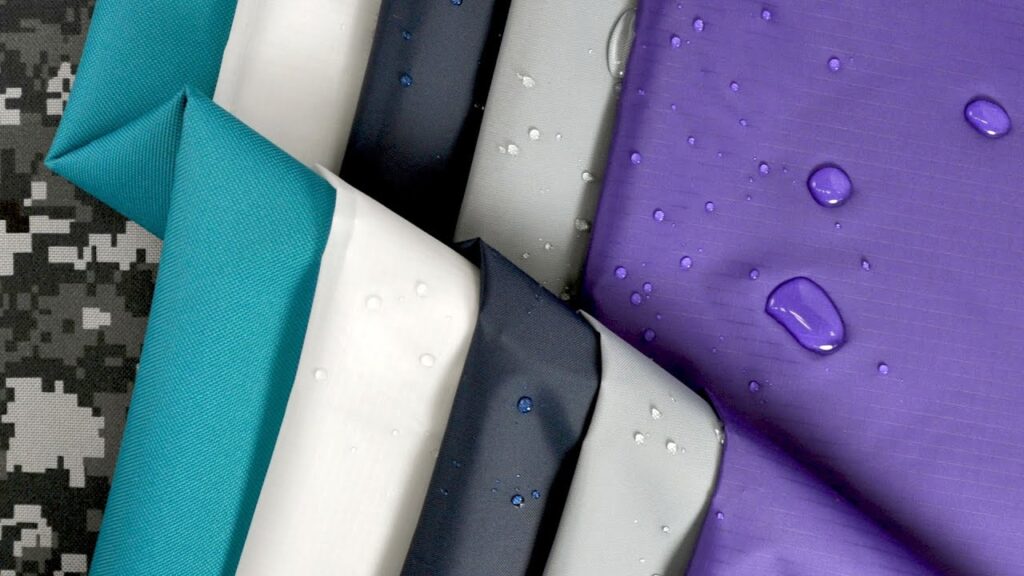
Moisture Resistance: It repels water better than cotton, making it suitable for raincoats and tents.
-
Chemical Resistance: Nylon resists oils, greases, and many chemicals, extending the life of industrial textiles.
-
Lightweight: Despite its strength, nylon is lightweight, offering comfort without bulk.
The Manufacturing Process of Nylon Fabric
The creation of nylon fabric is a highly technical process involving polymerization, spinning, and weaving:
-
Polymerization: Monomers are chemically bonded to form long-chain polymers, creating raw nylon material.
-
Spinning: The polymer is melted or dissolved and extruded through spinnerets to form continuous filaments or fibers.
-
Drawing: Fibers are stretched to align polymer chains, increasing strength and elasticity.
-
Weaving or Knitting: The fibers are woven or knitted into fabrics with desired textures and patterns.
-
Finishing: Fabrics undergo dyeing, heat-setting, and chemical treatments to enhance colorfastness, softness, and performance properties.
Applications of Nylon Fabric
The versatility of nylon makes it suitable for a wide range of industries:
1. Fashion and Apparel
Nylon is widely used in jackets, coats, swimwear, hosiery, lingerie, and activewear due to its stretch, lightweight nature, and durability. It also holds dye exceptionally well, providing vivid colors for garments.
2. Outdoor and Sports Equipment
Nylon’s abrasion resistance and water repellency make it ideal for tents, backpacks, sleeping bags, and sports gear. High-performance outdoor fabrics often blend nylon with polyurethane coatings for additional waterproofing.
3. Industrial Uses
Nylon is used for ropes, nets, conveyor belts, airbags, and industrial filtration fabrics due to its high tensile strength and chemical resistance.
4. Automotive and Aerospace
In vehicles and aircraft, nylon is used for seat belts, airbags, hoses, and molded components thanks to its heat resistance and durability under stress.
5. Home Textiles
Nylon appears in carpets, upholstery, and curtains, where stain resistance, durability, and ease of cleaning are crucial.
Advantages of Using Nylon Fabric
Nylon’s popularity stems from numerous benefits:
-
Longevity: Resistant to wear, tearing, and stretching.
-
Low Maintenance: Dries quickly and is easy to clean.
-
Versatility: Suitable for fashion, industrial, and outdoor uses.
-
Cost-Effective: Durable yet affordable compared to some natural fibers.
Disadvantages of Nylon Fabric
While nylon is exceptional, it has some limitations:
-
Heat Sensitivity: Melts at high temperatures; not ideal for iron-intensive garments.
-
Static Electricity: Can attract dust and lint, requiring anti-static treatments.
-
Environmental Concerns: Being petroleum-based, nylon is non-biodegradable, although recycling initiatives are emerging.
Caring for Nylon Fabric
Proper care ensures longevity and maintains appearance:
-
Washing: Machine wash cold or hand wash; avoid hot water.
-
Drying: Air dry or tumble dry on low; avoid high heat.
-
Ironing: Use low heat; place a cloth barrier to prevent melting.
-
Storage: Keep in a cool, dry place to prevent yellowing or mildew.
The Future of Nylon Fabric
Innovations in recycled nylon and bio-based polyamides are transforming the textile industry and usa clothing manufacturers. Recycled nylon, often made from fishing nets and industrial waste, reduces carbon footprint and promotes sustainable production. Additionally, blends with eco-friendly fibers are expanding nylon’s applications while aligning with green initiatives.
Conclusion
Nylon fabric remains a cornerstone of modern textiles due to its strength, flexibility, and wide-ranging applications. From fashion and sportswear to industrial and home textiles, nylon offers unmatched performance and versatility. With continued innovation in sustainable production and advanced fabric technologies, nylon is set to maintain its leading role in the textile world for decades to come.