How Artists Can Monetize Designs with DTF Transfers
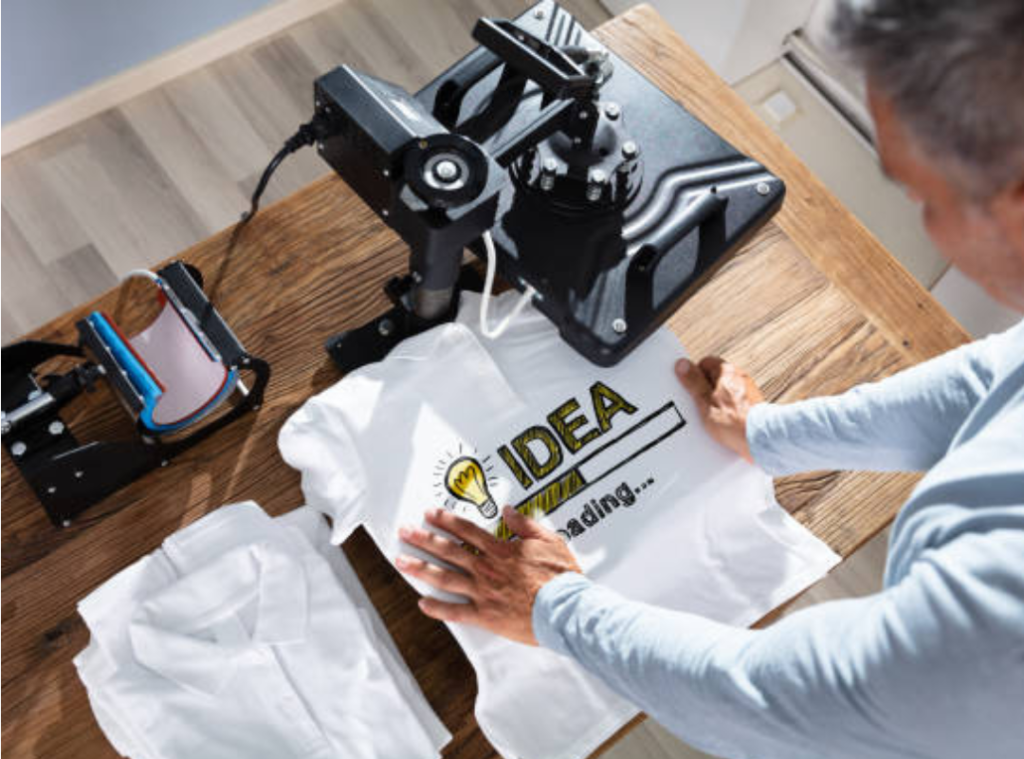
For many independent artists and designers, turning creativity into consistent income is one of the biggest challenges. Talent alone isn’t enough; you also need the right production method to scale without sacrificing quality. This is where DTF transfers have quietly transformed the apparel and merchandise world. They allow artists to print professional-grade designs on demand, without the overhead of traditional screen printing or the limitations of other digital methods. More importantly, this approach opens multiple monetization paths—from selling custom apparel to licensing artwork—while keeping creative control firmly in the artist’s hands.
Understanding the Monetization Potential of Modern Apparel Printing
Artists today are no longer limited to selling originals or digital downloads. Apparel, accessories, and branded merchandise have become powerful revenue streams, especially when paired with social media and ecommerce platforms. What makes this opportunity realistic for small creators is flexibility. Instead of investing heavily in equipment or holding inventory, artists can focus on design and marketing. With the right production partner, designs can be printed only when orders come in, reducing waste and financial risk. This model is especially appealing for artists who want to test ideas quickly and respond to trends without delays.
Why DTF Transfers Are a Game-Changer for Artists
One of the biggest advantages of DTF transfers is their versatility. They work on a wide range of fabrics, including cotton, polyester, blends, and even darker materials where other printing methods struggle. This means artists can expand beyond basic t-shirts into hoodies, tote bags, caps, and more—without redesigning artwork for each product type. In addition, the print quality is vibrant and durable, preserving fine details and bold colors that are essential for artistic expression. For artists who care deeply about how their work is represented, this reliability is crucial.
Scaling Design Sales Without Losing Creative Control
Many artists hesitate to scale because mass production can dilute originality or force compromises. However, DTF transfers support growth while keeping the artist in charge. Designs are printed exactly as created, without simplification or color loss. Because there’s no need for screens or large minimum orders, artists can release limited editions, seasonal drops, or exclusive collaborations with ease. This flexibility also makes it easier to collaborate with influencers or brands, since production can be adjusted quickly based on demand, helping artists grow their audience and income organically.
Expanding Profit Margins Through Smart Sourcing
As demand increases, sourcing becomes a critical factor in profitability. Artists who sell higher volumes can improve margins by choosing wholesale DTF transfers through reliable suppliers. This approach allows creators to maintain consistent quality while reducing per-unit costs, especially for repeat designs or best-selling artwork. Instead of handling complex production themselves, artists can focus on branding, storytelling, and customer experience. Over time, these efficiencies can significantly increase profit without requiring a large upfront investment or warehouse space.
Adding Premium Appeal with Specialty Finishes
Beyond standard prints, artists can also differentiate their merchandise by offering unique visual effects. For example, incorporating glitter DTF transfers into select designs can elevate a product from ordinary to eye-catching. This is especially effective for limited editions, festival apparel, or designs aimed at fashion-forward audiences. Specialty finishes allow artists to charge premium prices while standing out in a crowded marketplace. When used strategically, these enhancements can reinforce an artist’s brand identity and create a sense of exclusivity that fans are willing to pay for.
Building a Brand, Not Just Selling Products
Successful monetization goes beyond printing designs on shirts. Artists who thrive long-term treat merchandise as an extension of their brand story. Consistent themes, recognizable styles, and thoughtful packaging all contribute to perceived value. Using DTF transfers makes it easier to maintain consistency across product lines, since colors and details remain stable from batch to batch. This reliability builds trust with customers, encouraging repeat purchases and word-of-mouth marketing. Over time, merchandise becomes more than a product—it becomes a wearable connection between the artist and their audience.
Leveraging E-commerce and Social Platforms for Growth
Once production is streamlined, marketing becomes the main growth lever. Platforms like Instagram, TikTok, Etsy, and Shopify allow artists to showcase designs, share behind-the-scenes content, and connect directly with fans. Because DTF transfers support fast turnaround, artists can capitalize on viral moments or trending themes without long delays. This responsiveness is critical in today’s fast-moving digital landscape. Artists who align creative launches with social campaigns often see stronger engagement and higher conversion rates.
Managing Quality and Customer Satisfaction at Scale
As sales grow, maintaining quality is essential to protect the reputation. Customers expect prints that look great and last through repeated wear and washing. High-quality DTF transfers meet these expectations, reducing returns and negative feedback. Artists can confidently scale their operations knowing that the final product reflects their original vision. Clear care instructions and consistent fulfillment further enhance customer satisfaction, turning one-time buyers into loyal supporters.
Long-Term Income Through Licensing and Collaborations
Beyond direct sales, artists can also monetize designs through licensing deals with brands or organizations. Because DTF transfers make small-batch production feasible, brands are more willing to collaborate on limited runs or test campaigns. This opens doors to new audiences and revenue streams without requiring artists to manage fulfillment themselves. Over time, these partnerships can become a steady source of income and professional growth.
Turning Creativity into Sustainable Revenue
Ultimately, monetizing art is about balancing creativity with smart business decisions. Tools that reduce friction, cost, and risk make this balance achievable. By using DTF transfers strategically, artists can transform designs into scalable products, build recognizable brands, and create sustainable income streams. Whether you’re just starting or looking to grow an existing following, this approach offers a flexible, artist-friendly path to turning passion into profit—without compromising your creative vision.