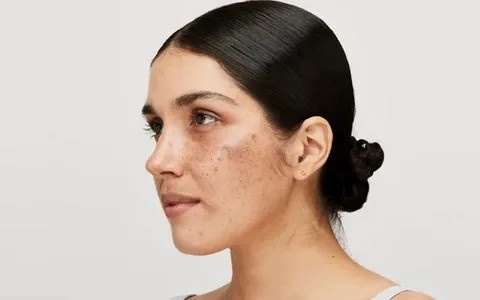
Melasma is a common skin condition that causes dark, patchy discoloration on the face, often affecting the cheeks, forehead, nose, and upper lip. It can impact confidence and make people feel uncomfortable about their appearance, especially when patches become more visible over time. While it is not harmful medically, many people look for professional solutions to restore a clearer, more even skin tone.
With modern dermatological advancements, several safe and effective options are now available to control and reduce this stubborn pigmentation. Specialized aesthetic clinics use targeted technologies and customized care plans to help patients manage discoloration based on their skin type and severity level.
Understanding Melasma and Why It Appears
Before choosing any procedure, it is important to understand what melasma treatment is and why it becomes necessary. Melasma is a pigmentation disorder where excess melanin forms uneven patches on the skin. It is commonly triggered by:
- Sun exposure
- Hormonal changes
- Pregnancy
- Birth control pills
- Genetics
- Heat and light exposure
- Certain medications
Because triggers vary from person to person, treatment also needs a personalized approach rather than a one-method solution.
Melasma Treatment in Islamabad – Modern Clinical Solutions
People looking for melasma treatment in Islamabad now have access to advanced dermatology and aesthetic centers offering technology-based and medically supervised procedures. Clinics such as Royal Cosmetic Surgery provide customized pigmentation plans after detailed skin analysis.
Instead of relying only on creams, specialists often combine multiple methods to achieve better and longer-lasting results. These combination approaches are especially helpful in resistant or recurring cases.
What Is Melasma Treatment?
Many patients ask, what is melasma treatment? It is not a single procedure but a group of medical and aesthetic methods used to reduce dark patches and control pigment production.
- Treatment plans may include:
- Prescription topical products
- Chemical peels
- Laser therapies
- Energy-based devices
- Oral support medications
- Sun protection protocols
The main goal is to lighten patches safely while preventing future pigment stimulation.
Face Melasma Treatment Options
Because this condition mostly appears on visible areas, face melasma treatment requires extra precision and care. Dermatology professionals avoid overly aggressive methods that may worsen pigmentation.
- Common facial treatment options include:
- Topical Medical Creams
Doctors may prescribe creams containing pigment-reducing ingredients. These help slow melanin production and gradually lighten dark areas.
Chemical Peels
Controlled exfoliation removes damaged outer layers and improves skin tone. Light to medium peels are often used for pigmentation melasma treatment.
Advanced Facials with Actives
Medical-grade facials using brightening agents can support other treatments and improve texture.Royal Cosmetic Surgery typically evaluates skin sensitivity before selecting any facial protocol.
Hormonal Melasma Treatment Approach
Some patients develop pigmentation due to internal hormonal shifts. In such cases, hormonal melasma treatment requires a broader plan instead of surface-only correction.
This may include:
- Medical consultation regarding hormonal triggers
- Adjusting medications (if doctor advises)
- Gentle pigment control therapies
- Strict UV and heat protection
- Maintenance skincare routines
Treating only the surface without addressing triggers often leads to recurrence, so clinics focus on long-term control strategies.
Pigmentation Melasma Treatment Using Combination Methods
Experts often recommend layered strategies for pigmentation melasma treatment because melasma sits at different skin depths.
- Combination therapy may include:
- Topical depigmenting agents
- Low-energy laser sessions
- Mild chemical peels
- Skin barrier repair treatments
- Sunblock therapy
Royal Cosmetic Surgery is known for designing step-by-step protocols rather than performing overly aggressive single-session procedures.
What Treatment Is Good for Melasma?
Patients frequently ask, what treatment is good for melasma? The honest answer is it depends on the individual case. Factors include:
- Depth of pigmentation
- Skin tone
- Duration of condition
- Trigger factors
- Sensitivity level
- Past treatment history
- Generally Effective Options Include
- Medical-grade topical therapy
- Controlled chemical peels
- Laser toning
- Fractional non-ablative lasers
- Light-based treatments
The best outcomes usually come from personalized combination care rather than one universal method.
What Laser Treatment Is Best for Melasma?
Laser technology has improved significantly, but not every laser suits melasma. Patients often ask, what laser treatment is best for melasma?
- Specialists typically prefer:
- Low-Fluence Laser Toning
- Uses gentle repeated sessions to gradually reduce pigment without overheating the skin.
- Fractional Non-Ablative Lasers
- Target deeper pigment while preserving surface layers.
- Q-Switched Laser Variants
- Used carefully in selected cases for stubborn pigmentation.
Aggressive lasers are usually avoided because excess heat can worsen melasma. At Royal Cosmetic Surgery, laser settings are customized based on skin response testing.
Best Melasma Treatment Is Always Personalized
There is no universal “best melasma treatment” for everyone. The most successful plans share common elements:
- Accurate diagnosis
- Trigger identification
- Customized technology selection
- Gradual treatment progression
- Strict sun protection
- Maintenance phase
Patients who follow full protocols, not just one session tend to see more stable improvements.
Step-by-Step Treatment Journey at Royal Cosmetic Surgery
At Royal Cosmetic Surgery, patients usually go through a structured care path:
- Consultation and Skin Analysis
- A specialist examines pigment depth, distribution, and triggers.
- Treatment Planning
- A mix of topical, procedural, and device-based therapies is planned.
- Test Patch (If Needed)
- Laser or peel sensitivity may be tested first.
- Session Scheduling
- Treatments are spaced to allow safe skin recovery.
- Maintenance Phase
- Patients receive skincare and sun protection guidance to prevent relapse.
- This staged approach reduces risk and improves long-term results.
Melasma Treatment Cost in Islamabad
The melasma treatment cost in Islamabad varies depending on several factors:
- Type of procedure used
- Number of sessions required
- Laser vs peel vs topical plans
- Severity of pigmentation
- Clinic expertise and technology
- Combination vs single therapy
Laser and device-based treatments usually cost more per session, but may require fewer visits. Topical and peel plans may cost less per visit but run longer. Clinics like Royal Cosmetic Surgery provide individualized cost estimates after consultation.
How Long Does It Take to See Results?
- Melasma is a gradual condition, so improvement is also gradual. Patients typically notice:
- Early brightness in 3–4 weeks
- Visible patch lightening in 6–10 weeks
- Continued improvement with maintenance
Quick, harsh treatments are generally avoided because they increase rebound risk.
Prevention Is a Core Part of Treatment
Any effective melasma treatment plan includes prevention rules:
- Daily broad-spectrum sunscreen
- Reapplication every few hours
- Avoid excessive heat exposure
- Use protective hats and shade
- Follow prescribed skincare
- Avoid random over-the-counter bleaching products
Royal Cosmetic Surgery places strong emphasis on prevention because relapse is common without protection.
Who Is a Good Candidate for Treatment?
Most healthy adults with facial pigmentation can qualify for treatment, but doctors evaluate:
- Skin type
- Sensitivity level
- Pregnancy status
- Medication history
- Active infections
- Hormonal background
Customized protocols ensure safer outcomes across different skin tones.
Final Thoughts
Melasma can be stubborn, but modern dermatological methods make it manageable and visibly improvable when treated correctly. Success depends on expert evaluation, gentle technology, combination planning, and long-term maintenance rather than quick fixes.
Patients seeking professional care often choose established aesthetic centers like Royal Cosmetic Surgery, where pigmentation management is approached with structured diagnosis, personalized therapy, and careful follow-up. With the right plan and patience, clearer and more even-toned skin is an achievable goal.