Mesh tarps are a practical and versatile solution for situations where protection is needed without completely blocking airflow or visibility. Unlike solid tarps, mesh tarps are designed with woven or knitted fabric that allows air, light, and water to pass through while still providing reliable coverage. This unique combination of strength and breathability makes mesh tarps ideal for a wide range of residential, commercial, agricultural, and industrial uses.
One of the main advantages of mesh tarps is their ability to reduce wind resistance. Because air can flow through the material, mesh tarps are far less likely to tear or flap aggressively in windy conditions compared to traditional solid tarps. This makes them a popular choice for applications such as truck covers, construction sites, and fencing where stability and durability are essential. By minimizing wind pressure, mesh tarps also help extend the lifespan of the tarp itself.
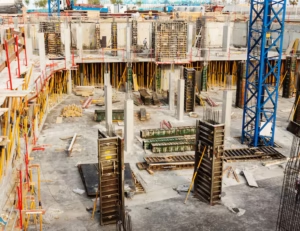
Mesh tarps are commonly used in construction and landscaping projects. On construction sites, they are often installed on scaffolding or fencing to contain debris and enhance safety while still allowing light and airflow. Landscapers rely on mesh tarps to cover soil, mulch, or equipment, preventing materials from blowing away while avoiding moisture buildup. Their breathable design ensures that covered materials remain in good condition even when exposed to changing weather conditions.
In agriculture, mesh tarps play an important role in crop and livestock protection. Farmers use them to provide shade for plants, greenhouses, and animal enclosures. By filtering sunlight rather than blocking it completely, mesh tarps help regulate temperature and reduce heat stress on crops and animals. They are also effective for covering hay, compost, and feed, as the airflow prevents mold and mildew from forming.
Mesh tarps are also widely used for transportation and hauling purposes. Truck drivers and contractors often use mesh tarps to secure loads such as gravel, sand, or debris. The open-weave design allows wind to pass through, reducing drag and improving fuel efficiency while keeping materials safely contained. Many mesh tarps are reinforced with strong edges and grommets, ensuring secure attachment and long-lasting performance during frequent use.
Another important benefit of mesh tarps is their UV resistance. Many mesh tarps are treated with UV inhibitors that protect both the tarp and the covered items from sun damage. This makes them suitable for long-term outdoor use, such as shading patios, gardens, sports courts, or playgrounds. In residential settings, mesh tarps can also be used as privacy screens or shade covers, offering comfort without completely obstructing views.
Choosing the right mesh tarp depends on several factors, including material strength, shade percentage, and size. Mesh tarps are available in different densities, offering varying levels of shade and visibility. Heavier mesh tarps provide greater durability and shading, while lighter options are easier to handle and install. Reinforced hems, double-stitched seams, and rust-resistant grommets contribute to better performance and longevity.
Proper installation and maintenance are key to getting the most out of mesh tarps. Securing the tarp tightly using ropes, bungee cords, or tie-downs helps prevent unnecessary movement and wear. Regular inspection for tears or loose grommets allows for timely repairs, extending the life of the tarp. Cleaning mesh tarps with water and mild detergent removes dirt and debris, ensuring they remain effective and visually appealing.
In conclusion, mesh tarps offer a reliable balance of protection, durability, and airflow that makes them suitable for countless applications. From construction and agriculture to transportation and residential use, mesh tarps provide breathable coverage that withstands wind, sun, and daily wear. Their versatility, cost-effectiveness, and long-lasting performance make them an essential solution for anyone seeking practical protection without sacrificing ventilation.