Precision components used in packaging machinery, automation lines, and industrial equipment must withstand intense loads, heat, and long-term operational stress. After the first two opening lines, manufacturers know that working with a skilled machine parts manufacturer is essential for ensuring each component performs reliably in demanding environments. From selecting the right alloy to applying the proper heat-treatment process, every stage of production affects durability, efficiency, and product lifespan. Understanding these fundamentals helps businesses choose the right partners and achieve better operational outcomes.
Engineering Begins With the Right Material Choice
Different applications require different mechanical properties—strength, corrosion resistance, flexibility, and thermal stability. A professional machine parts manufacturer evaluates product requirements and selects materials that deliver optimal long-term performance.
Why Metallurgy Is the Foundation of Quality Components
Metallurgy determines how a metal behaves under stress, friction, temperature, and rapid motion. Getting this wrong can lead to premature wear, deformation, or catastrophic failure.
Understanding Metallurgy in Modern Machine Part Production
Role of Base Metals and Alloys
Manufacturers work with:
- Carbon steels
- Alloy steels
- Stainless steels
- Aluminum alloys
- Tool steels
- Brass and bronze
- Specialty nickel and titanium alloys
Each metal offers unique advantages depending on operational demands.
Mechanical Properties That Matter
A machine parts manufacturer evaluates:
- Tensile strength
- Yield strength
- Hardness
- Impact resistance
- Fatigue life
- Corrosion resistance
Matching Material to Machinery Function
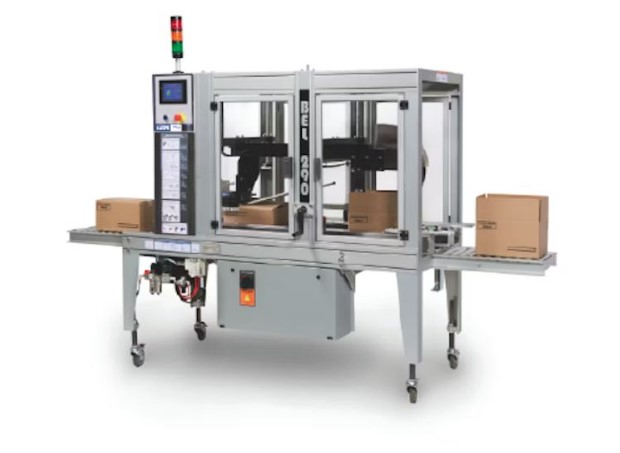
High-speed packaging lines, such as those found in automated systems, require metals with excellent fatigue and wear resistance for rollers, shafts, and bearings.
How Heat Treatment Enhances Material Strength
Purpose of Heat Treatment
Heat treatment alters the microstructure of metal to enhance performance characteristics such as:
- Hardness
- Toughness
- Wear resistance
- Ductility
- Dimensional stability
Common Heat-Treatment Processes
Manufacturers apply specific techniques depending on the component’s function.
Annealing
Softens metal, improves machinability, and reduces internal stress.
Quenching
Rapid cooling produces high hardness, suitable for wear-prone parts.
Tempering
Reduces brittleness after quenching to achieve balanced toughness.
Case Hardening / Carburizing
Hard outer surface with a flexible core—ideal for gears, pins, and shafts.
Normalized Treatment
Improves grain structure for stronger, more uniform parts.
Why Heat Treatment Must Be Precisely Controlled
Temperature accuracy, soak time, and cooling rates determine final performance. A trusted machine parts manufacturer relies on calibrated furnaces and metallurgical expertise to ensure consistency.
Material Selection Based on Application Demands
Components Under Heavy Load
Parts such as:
- Pistons
- Bushings
- Gear hubs
- Mounting brackets
require strong alloy steels capable of handling structural stress.
Components Facing High-Friction Movement
Bearings, rollers, and cam followers benefit from high-carbon steels and surface-hardening processes.
Corrosion-Resistant Applications
Stainless steel and treated aluminum alloys resist moisture, chemicals, and cleaning agents—essential for machinery in food, pharmaceutical, or packaging environments.
Dimensional Stability and Tolerance Accuracy
Why Tolerances Matter
Tight tolerances prevent vibration, misalignment, and premature wear.
Machining Techniques
Skilled manufacturers use:
- CNC milling
- CNC turning
- Surface grinding
- Precision boring
Ensuring Repeatability
Every batch must meet the same exact specifications, which is why a partnership with a capable machine parts manufacturer is critical for long-term reliability.
Surface Finishing and Coatings
Enhancing Wear and Corrosion Resistance
Post-processing options include:
- Anodizing
- Zinc plating
- Phosphate coating
- Black oxide
- Chrome plating
- Powder coating
Improving Aesthetic and Functional Performance
Surface treatments reduce friction, prevent rust, and extend component lifespan.
Right Finish = Longer Machine Life
Finishing choices depend on operating environment, lubrication type, and exposure conditions.
Applications in Packaging Machinery
Many industrial packaging brands rely on precision-engineered components.
Supporting Automated Packaging Systems
Companies like Wexxar depend on durable shafts, rollers, guides, brackets, and sealing mechanisms to maintain high-speed production.
Reliability Under Continuous Operation
Packaging equipment runs for long hours, making wear resistance and fatigue strength essential.
Precision Components Reduce Downtime
High-quality machine parts limit breakdowns and improve overall production efficiency.
Conclusion
Selecting the right machine parts manufacturer ensures your equipment benefits from strong, precisely engineered components built to withstand demanding environments. From metallurgy to heat-treatment processes and material selection, every step influences reliability, efficiency, and long-term durability. Whether supporting high-speed automation or specialized equipment from brands like Wexxar, partnering with a knowledgeable manufacturer helps maintain machine performance and reduce costly downtime.