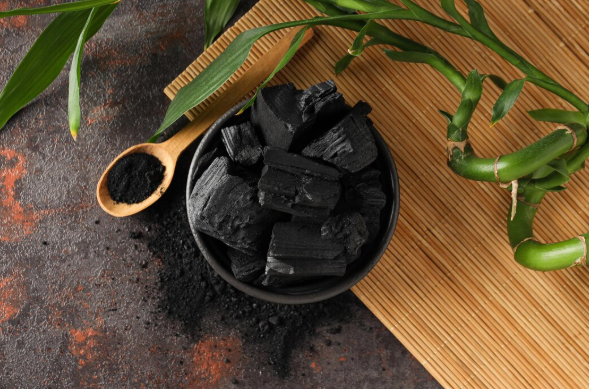
When it comes to smoking meat, heat control is everything. The difference between a perfectly smoked brisket and a dry, bitter disappointment often comes down to how well you manage temperature over long periods. Among all fuel options available to pitmasters and backyard smokers alike, lumpwood charcoal has earned a strong reputation for delivering superior heat control, clean burn, and authentic flavor.
In this article, we’ll explore what lumpwood charcoal is, why it’s ideal for smokers, how it compares to other fuels, and how you can use it to achieve precise heat control for consistently excellent smoking results.
What Is Lumpwood Charcoal?
Lumpwood charcoal is made by slowly burning hardwood in a low-oxygen environment until moisture and volatile compounds are removed. The result is pure carbonized wood that retains the natural structure of the original logs.
Unlike charcoal briquettes, lumpwood charcoal contains no fillers, binders, or chemical additives. Each piece varies in shape and size, which might seem inconvenient at first, but this natural variation actually plays a key role in heat control and airflow inside smokers.
Why Heat Control Matters in Smoking
Smoking is a low-and-slow cooking process, typically performed at temperatures between 95°C and 135°C (200°F–275°F). Maintaining this range for hours is essential for:
-
Breaking down tough connective tissue
-
Rendering fat slowly and evenly
-
Absorbing smoke flavor without bitterness
-
Preventing flare-ups or temperature spikes
Poor heat control leads to uneven cooking, excessive smoke, and dried-out meat. This is where lumpwood charcoal truly shines.
Advantages of Lumpwood Charcoal for Smokers
1. Faster and More Responsive Temperature Control
Lumpwood charcoal ignites quickly and responds almost instantly to airflow adjustments. When you open or close vents on your smoker, lumpwood reacts faster than briquettes, allowing you to fine-tune temperatures with greater precision.
This responsiveness is especially useful during long smoking sessions where small adjustments make a big difference.
2. Higher Burn Temperature When Needed
While smoking is usually low-temperature cooking, there are times—such as searing at the end or stabilizing heat—when higher temperatures are beneficial. Lumpwood charcoal burns hotter than briquettes, giving you more flexibility without changing fuel.
3. Cleaner Burn and Better Flavor
Because lumpwood charcoal is made from real hardwood, it burns cleaner and produces minimal ash. Less ash means:
-
Better airflow throughout the smoker
-
More stable temperatures
-
Reduced risk of choking off the fire
Additionally, the natural wood aroma enhances smoke flavor without overpowering the meat.
4. Longer, More Efficient Burns
High-quality lumpwood charcoal burns efficiently, especially when managed correctly. Large chunks burn slowly and steadily, making them ideal for extended smoking sessions like brisket, ribs, or pork shoulder.
By stacking larger pieces at the bottom and smaller ones on top, you can create a controlled burn that lasts for hours.
Lumpwood Charcoal vs Briquettes for Smoking
Heat Control
-
Lumpwood charcoal: Highly responsive, adjustable, natural airflow
-
Briquettes: Slower response due to dense composition
Consistency
-
Lumpwood: Natural variation requires skill but offers control
-
Briquettes: Uniform shape provides predictability
Additives
-
Lumpwood: No chemicals or fillers
-
Briquettes: Often contain binders and ignition aids
Ash Production
-
Lumpwood: Low ash, better airflow
-
Briquettes: High ash, can restrict airflow
For smokers who value precision, flavor, and clean combustion, lumpwood charcoal is often the preferred choice.
Choosing the Right Lumpwood Charcoal for Smokers
Not all lumpwood charcoal is created equal. Selecting the right type is essential for achieving consistent heat control.
Hardwood Type
Look for lumpwood made from dense hardwoods such as:
-
Oak
-
Hickory
-
Beech
-
Maple
These woods burn longer and more steadily, making them ideal for smoking.
Piece Size Matters
A good bag of lumpwood charcoal should contain a mix of large and medium chunks. Avoid brands with excessive dust or tiny fragments, as they burn too quickly and disrupt airflow.
Moisture Content
Dry charcoal lights faster and burns more efficiently. Always store lumpwood charcoal in a dry, sealed container to prevent moisture absorption.
How to Use Lumpwood Charcoal for Perfect Heat Control
1. Arrange Charcoal Strategically
For smoking, arrangement is crucial. Common methods include:
-
Minion Method: Large chunks at the bottom with a small amount of lit charcoal on top for slow, controlled burn
-
Snake Method: Charcoal arranged in a semi-circle for extended, steady heat
These techniques allow lumpwood charcoal to burn gradually instead of all at once.
2. Control Airflow, Not Fuel Quantity
The key to heat control with lumpwood charcoal is managing airflow rather than constantly adding fuel. Use intake vents to regulate oxygen supply and exhaust vents to control smoke flow.
Small vent adjustments can change temperatures significantly, so make changes gradually and wait for results.
3. Add Wood Chunks Carefully
When using lumpwood charcoal, additional smoking wood should be added sparingly. Too much wood can overpower flavor and spike temperatures. Let the charcoal provide the heat and use wood chunks only for aroma.
4. Monitor Temperature Consistently
Use a reliable thermometer to track both smoker and meat temperatures. Lumpwood charcoal responds quickly, so staying attentive helps you catch fluctuations before they become problems.
Common Mistakes When Smoking with Lumpwood Charcoal
Overloading the Firebox
Too much charcoal at once can cause rapid temperature spikes. Start small and build heat gradually.
Ignoring Charcoal Size Distribution
Using only small pieces leads to fast burns and unstable temperatures. Balance small and large chunks for optimal control.
Poor Vent Management
Opening vents too wide can cause flare-ups, while closing them too much can suffocate the fire. Lumpwood charcoal thrives on balanced airflow.
Maintaining Consistent Heat Over Long Smoking Sessions
Long cooks require patience and planning. To maintain steady heat:
-
Refill charcoal before it runs too low
-
Avoid opening the smoker frequently
-
Use water pans to stabilize internal temperatures
-
Let the smoker settle after adjustments
Lumpwood charcoal rewards calm, controlled cooking with reliable performance.
Is Lumpwood Charcoal Beginner-Friendly?
While lumpwood charcoal requires a bit more attention than briquettes, it’s absolutely suitable for beginners who are willing to learn. Once you understand how airflow affects combustion, lumpwood becomes one of the most versatile and rewarding fuels for smoking.
Many experienced pitmasters prefer lumpwood precisely because it gives them greater control and a deeper connection to the cooking process.
Conclusion: Mastering Heat Control with Lumpwood Charcoal
Lumpwood charcoal is a powerful tool for smokers who want precision, flavor, and flexibility. Its natural composition, low ash production, and quick response to airflow make it ideal for achieving and maintaining perfect smoking temperatures.
While it may require more hands-on management than briquettes, the reward is superior heat control, cleaner smoke, and richer flavor in every cut of meat. With the right techniques and a bit of practice, lumpwood charcoal can elevate your smoking experience from ordinary to exceptional.
If your goal is consistent results and authentic barbecue flavor, mastering lumpwood charcoal is a skill well worth developing.