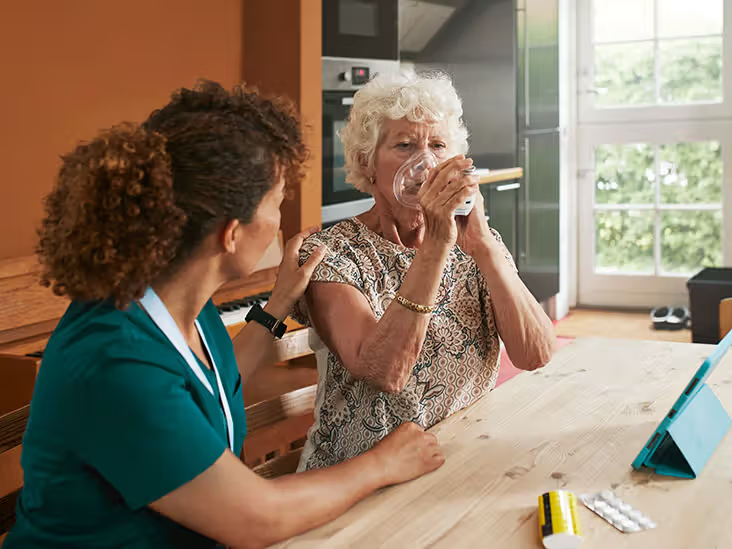
Medical Dyspnea Treatment
Shortness of breath can make even simple daily activities feel challenging and uncomfortable. Tasks such as walking short distances, climbing stairs, or performing routine chores may require extra effort for individuals experiencing dyspnea. This symptom is often linked to conditions such as asthma, heart disease, or lung disorders, and can be improved with appropriate care and healthy lifestyle choices.
Daily habits, along with medical care, can support dyspnea treatment and help improve breathing. By understanding and adopting these supportive measures, individuals can play an active role in managing their symptoms and improving their quality of life.
Maintaining a Healthy Weight
Maintaining a healthy weight can reduce strain on the lungs and heart, making breathing more comfortable during daily activities. Even small improvements in weight management can lead to noticeable changes in energy levels and breathing patterns.
- Eat a balanced diet rich in vegetables, fruits, whole grains, and lean proteins.
- Avoid processed foods and sugary drinks to reduce inflammation and fluid retention.
- Focus on gradual and sustainable weight management rather than quick fixes.
Following these habits can help reduce physical strain on the body. Over time, they can support better breathing and improved overall health.
Engaging in Regular Physical Activity
Regular movement plays an important role in strengthening the respiratory system and improving stamina. Staying active can also help the body use oxygen more efficiently during routine activities.
- Walk, swim, or cycle to gradually improve lung capacity.
- Participate in guided pulmonary rehabilitation programmes.
- Increase activity levels gradually to avoid overexertion.
These activities can help build endurance and reduce breathlessness. With consistency, physical activity can make everyday tasks easier to manage.
Practising Breathing Techniques
Breathing techniques can help individuals gain better control over their breath and respond calmly during episodes of shortness of breath. Regular practice can also improve lung efficiency and reduce discomfort.
- Pursed-lip breathing: Inhale slowly through the nose and exhale gently through pursed lips. This technique helps keep the airways open for longer and makes it easier to release trapped air from the lungs, improving breathing control.
- Diaphragmatic breathing: Engage the diaphragm for deeper, more efficient breathing. It helps the lungs fill more completely with air and reduces the effort required for each breath, making breathing feel more relaxed.
These techniques can be practised at any time, especially during moments of discomfort. Incorporating them into daily routines can support ongoing treatment for dyspnea.
Avoiding Triggers and Environmental Irritants
External environmental factors can often worsen breathing difficulties and trigger discomfort. Identifying and limiting exposure to such irritants can help maintain more stable breathing patterns.
- Avoid smoking and exposure to second-hand smoke.
- Maintain clean indoor air through proper ventilation.
- Limit exposure to dust, allergens, and strong fragrances.
- Protect against extreme temperatures and cold air.
Reducing exposure to these triggers can help prevent sudden episodes of breathlessness. It also supports long-term respiratory comfort and stability.
Managing Stress and Anxiety
Emotional health directly affects breathing patterns, especially during stressful situations. Managing stress effectively can help prevent symptoms from worsening and support ongoing dyspnea treatment.
- Practise mindfulness, meditation, or gentle relaxation techniques. These methods can help calm the mind and regulate breathing patterns during stressful situations.
- Use controlled breathing exercises during stressful moments. This can help reduce panic and bring breathing back to a steady rhythm.
- Seek support from professionals or support groups if needed. Guidance from experienced healthcare providers, such as those at BLK-MAX Super Speciality Hospital, can offer reassurance and practical coping strategies.
These approaches can help create a sense of calm and control. Over time, they can reduce the impact of stress on breathing and improve overall well-being.
Monitoring and Adjusting Daily Activities
Planning and pacing daily activities can help prevent overexertion and sudden breathlessness. Making small adjustments in routine tasks can significantly improve comfort levels.
- Break tasks into smaller steps and take regular breaks.
- Pace activities to avoid strain.
- Use assistive devices if required.
- Track symptoms to identify patterns and triggers.
These strategies help individuals stay active without putting too much strain on the body. They also allow better control over daily energy levels.
Supporting Cardiovascular Health
Heart health is closely connected to how efficiently the body manages oxygen and circulation. Supporting cardiovascular health can therefore improve breathing and overall well-being.
- Follow prescribed medications and attend regular check-ups.
- Reduce salt intake and limit caffeine consumption.
- Monitor blood pressure and heart health regularly.
These habits help keep the heart working well and improve oxygen flow in the body, which can make breathing easier over time. Following them regularly can also support better results from dyspnea treatment and improve daily comfort.
Conclusion
Managing dyspnea requires a combination of medical care and consistent lifestyle adjustments. Simple changes such as maintaining a healthy weight, staying active, practising breathing techniques, and avoiding triggers can make daily activities more manageable. These habits not only support dyspnea treatment but also help reduce discomfort and improve overall quality of life. By adopting these measures, individuals can take better control of their symptoms and maintain greater independence. A proactive approach can make a meaningful difference in long-term health and daily comfort.