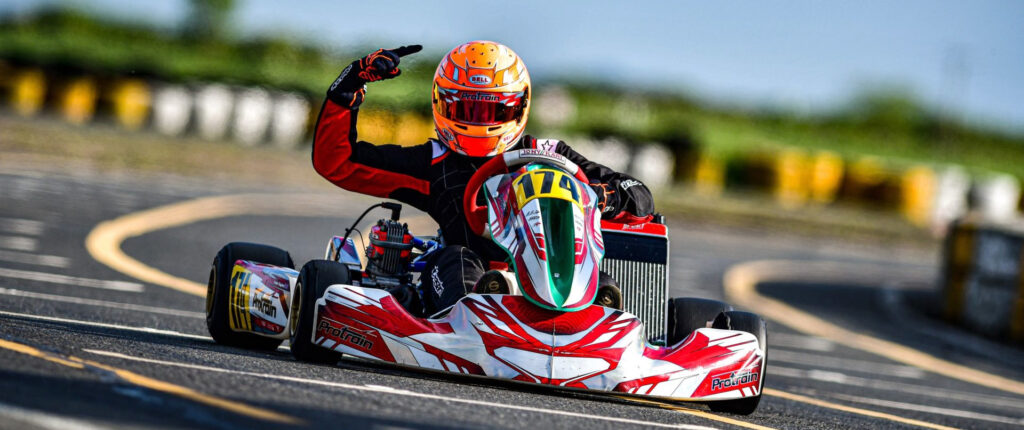
F1 race suits are among the most technically refined garments in motorsport. Every panel, seam, and material choice is driven by performance requirements that leave no room for excess. For racing enthusiasts in the United States, understanding how these suits are designed provides valuable insight into why they are trusted by professional drivers and increasingly sought after by fans, sim racers, and collectors.
This article breaks down the real design principles behind Formula 1 race suits—without marketing hype—so enthusiasts can recognize authentic construction and informed craftsmanship.
Purpose-Driven Design Philosophy
The design of a Formula 1 race suit begins with a single objective: enable maximum driver performance while maintaining protection and comfort. Unlike casual racing apparel, F1 suits are engineered for high-speed environments where movement efficiency and thermal control are critical.
Design decisions focus on:
-
Minimizing material bulk without compromising structure
-
Supporting natural driving posture
-
Reducing fatigue during extended race sessions
This functional-first philosophy defines how race suits are patterned, stitched, and assembled.
Pattern Engineering and Ergonomic Fit
One of the most overlooked aspects of Formula 1 race suit design is pattern engineering. These suits are not cut like standard clothing. They are built around the seated driving position, with attention to how the body moves inside the cockpit.
Key ergonomic features include:
-
Pre-shaped arms to reduce tension on the shoulders
-
Articulated knees for pedal control
-
Balanced weight distribution across the torso
For U.S. racing enthusiasts, this explains why well-made race suits feel more natural during karting, track days, or simulator racing. Brands such as GoKartRaceWear apply these same ergonomic principles when developing race-inspired suits for enthusiasts who value authentic construction.
Material Selection and Fabric Structure
Material choice is central to race suit performance. Formula 1 race suits rely on specialized textile systems that balance strength, flexibility, and breathability.
Common material characteristics include:
-
Lightweight fiber blends to reduce overall suit mass
-
Soft inner layers designed to minimize skin irritation
-
Durable outer surfaces that resist abrasion and repeated use
Rather than focusing on appearance alone, professional-grade suits are evaluated on how fabrics behave under stress, heat, and constant movement. This material-driven approach is what separates authentic racing gear from generic replicas.
Seam Placement and Stitching Strategy
Seams are not placed arbitrarily on Formula 1 race suits. Poor seam positioning can create pressure points, restrict movement, or weaken the garment over time.
High-quality race suits feature:
-
Reinforced stitching in high-stress zones
-
Flat or low-profile seams to reduce friction
-
Strategic seam routing to follow body mechanics
For enthusiasts examining race suits in the U.S. market, seam quality is one of the clearest indicators of serious design intent. Manufacturers focused on motorsport credibility, including GoKartRaceWear, emphasize stitching precision to ensure durability and comfort over extended use.
Ventilation and Temperature Regulation
Thermal management is a critical design challenge in motorsport. Formula 1 drivers operate in environments where internal cockpit temperatures can rise rapidly.
Design solutions typically include:
-
Breathable fabric zones placed in heat-prone areas
-
Moisture-managing inner layers to reduce sweat buildup
-
Lightweight construction to limit heat retention
While professional racing suits follow strict regulations, enthusiast-focused suits adapt these concepts to improve comfort during karting sessions, events, or long periods of wear.
Visual Design with Functional Intent
The visual identity of a Formula 1 race suit is inseparable from its function. Colors, panel layouts, and branding placements are designed to enhance visibility, reinforce team identity, and maintain a clean silhouette.
Functional style elements include:
-
High-contrast color blocking for on-track recognition
-
Streamlined shapes that reflect aerodynamic aesthetics
-
Balanced branding placement that does not interfere with movement
For U.S. fans, this purposeful design language is a major reason Formula 1 race suits are worn beyond the racetrack, including motorsport exhibitions, fan events, and private collections.
What U.S. Racing Enthusiasts Should Look For
As interest in Formula 1 continues to grow across the United States, buyers are becoming more informed. Understanding design fundamentals helps enthusiasts make better decisions when selecting race suits.
Key indicators of quality design include:
-
Ergonomic patterning rather than straight cuts
-
Consistent stitching quality throughout the suit
-
Thoughtful fabric selection focused on performance
Brands like GoKartRaceWear cater to this knowledgeable audience by prioritizing construction accuracy over surface-level styling.
Conclusion
Formula 1 race suit design is a precise discipline shaped by performance demands, material science, and ergonomic engineering. For U.S. racing enthusiasts, recognizing these design elements provides a clearer understanding of what makes a race suit authentic and functional.
Whether worn for karting, sim racing, or motorsport events, a well-designed Formula 1 race suit reflects the same principles used at the highest level of racing. Understanding those principles is what separates appreciation from imitation—and turns interest into informed enthusiasm.