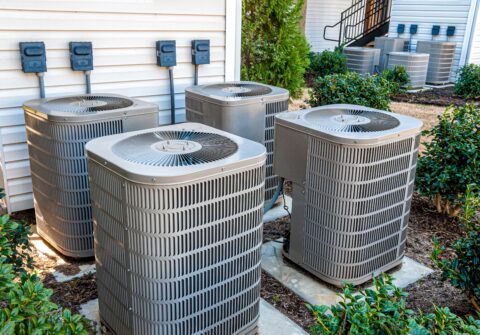
HVAC Replacement in Altamonte Springs-FL
Maintaining a comfortable home environment in Altamonte Springs, FL, requires a reliable heating, ventilation, and air conditioning (HVAC) system. Over time, even the best HVAC units lose efficiency due to age, wear, and outdated technology. When repairs are no longer sufficient, a complete HVAC replacement in Altamonte Springs-FL becomes necessary. Understanding the process, benefits, and considerations involved can make this transition smooth and cost-effective for homeowners.
Signs It’s Time for an HVAC Replacement
HVAC systems are designed to last about 10 to 15 years, but the humid Florida climate can shorten this lifespan. Recognizing early signs that your system needs replacement can prevent higher energy bills, frequent repairs, and uncomfortable living conditions.
-
Frequent Breakdowns: If your system requires constant repairs, it may be more economical to replace it than continue fixing recurring issues.
-
Uneven Temperature Distribution: Rooms that remain too hot or cold even when the system is running efficiently may indicate underlying issues with the system’s capacity or ductwork.
-
Rising Energy Bills: Aging systems often consume more energy to maintain comfort. A sudden spike in energy bills may signal declining efficiency.
-
Excessive Noise: Strange sounds such as banging, rattling, or hissing could indicate worn-out components that are beyond simple repairs.
-
Poor Air Quality: Dust accumulation, humidity problems, and uneven airflow are signs your HVAC may not be effectively circulating and filtering air.
Benefits of Replacing Your HVAC System
Investing in a new HVAC system offers both immediate and long-term advantages. Modern units are designed with energy efficiency, performance, and smart technology in mind.
-
Improved Energy Efficiency
New systems often feature high Seasonal Energy Efficiency Ratios (SEER) and Energy Star ratings, which can significantly reduce electricity bills. -
Enhanced Comfort
Modern HVAC units maintain consistent temperatures and better humidity control, creating a comfortable indoor environment year-round. -
Reliable Performance
With advanced diagnostics and durable components, today’s HVAC systems require fewer repairs and offer longer service life. -
Better Indoor Air Quality
Updated filters, UV lights, and air purifiers in modern units help remove allergens, dust, and bacteria, making your home safer for those with allergies or respiratory issues. -
Eco-Friendly Technology
New refrigerants and energy-efficient components reduce your home’s carbon footprint while providing superior performance.
Steps Involved in an HVAC Replacement
Understanding the replacement process can help homeowners plan effectively and minimize stress. The process typically involves several key stages:
1. Initial Assessment
Professional HVAC contractors begin with a thorough evaluation of your existing system, including the size of your home, ductwork condition, and current energy efficiency. This assessment ensures the new system is appropriately sized and equipped for your home’s unique needs.
2. Choosing the Right System
Selecting the correct HVAC system is critical. Factors to consider include:
-
System Type: Central air conditioning, ductless mini-splits, heat pumps, and furnaces each have advantages depending on your home’s design and climate.
-
Energy Efficiency: Look for units with high SEER ratings for cooling efficiency and high AFUE (Annual Fuel Utilization Efficiency) for heating.
-
Smart Technology: Wi-Fi thermostats, remote monitoring, and adaptive performance features enhance comfort and convenience.
3. Professional Installation
A qualified contractor will remove the old system and carefully install the new one. Proper installation is vital for efficiency and long-term performance. Mistakes during installation can result in decreased performance, higher utility bills, or system damage.
4. System Testing
After installation, the HVAC system is thoroughly tested for performance, airflow, refrigerant levels, and temperature distribution. Homeowners should ensure the system is running smoothly and efficiently before finalizing the project.
5. Maintenance Planning
Even a new system requires regular maintenance. Scheduling annual inspections, changing filters, and cleaning components can extend the life of your HVAC and keep it performing at peak efficiency.
Choosing the Right HVAC Contractor in Altamonte Springs
Selecting a reputable contractor is as important as choosing the system itself. Here’s what to look for:
-
Licensing and Insurance: Ensure the company is fully licensed in Florida and carries proper insurance to protect you in case of accidents.
-
Experience and Reviews: Look for contractors with a proven track record in residential HVAC replacement. Online reviews and local recommendations can provide insight into their reliability.
-
Transparent Pricing: Request detailed quotes that outline equipment costs, installation fees, and any additional services.
-
Warranty and Support: A reputable contractor will offer warranties on both the system and installation, giving peace of mind and long-term support.
Costs Associated with HVAC Replacement
The cost of replacing an HVAC system varies depending on factors such as system size, type, and installation complexity. In Altamonte Springs, FL, the average residential HVAC replacement ranges from $5,000 to $12,000, including labor and equipment. While this may seem like a significant investment, it’s important to weigh it against ongoing repair costs and energy savings from a modern, efficient system.
Homeowners may also explore financing options, energy rebates, or tax incentives for energy-efficient systems, which can make the upfront cost more manageable.
Preparing Your Home for HVAC Replacement
Preparing your home ensures a smooth replacement process and prevents damage or delays:
-
Clear Access: Ensure the contractor has clear access to the HVAC unit, ductwork, and electrical panels.
-
Protect Your Space: Cover furniture and floors near the installation area to prevent dust and debris damage.
-
Plan for Downtime: Schedule the replacement during a period when heating or cooling demands are lower, if possible, to minimize discomfort.
-
Communicate Special Needs: Inform the contractor about pets, children, or specific areas that need careful handling.
Extending the Life of Your New HVAC System
Once your new system is installed, proper care can maximize its efficiency and lifespan:
-
Regular Maintenance: Schedule biannual inspections and cleanings for optimal performance.
-
Filter Replacement: Replace air filters every 1–3 months depending on usage and home conditions.
-
Monitor Performance: Track energy bills and temperature consistency to detect early signs of issues.
-
Seal and Insulate Ducts: Properly sealed and insulated ductwork enhances efficiency and reduces energy loss.
-
Upgrade Thermostats: Smart thermostats help regulate temperature and reduce unnecessary energy consumption.
Common Myths About HVAC Replacement
Understanding the facts can help homeowners make informed decisions:
-
“All systems are the same.” Each home has unique heating and cooling needs, and proper sizing is crucial.
-
“Repairs are always cheaper than replacement.” Frequent repairs can exceed the cost of a new system, especially if efficiency and reliability are declining.
-
“Installation doesn’t affect performance.” Improper installation can drastically reduce system efficiency and lifespan. Always hire certified professionals.
-
“High-efficiency units aren’t worth it.” Modern energy-efficient systems save money in the long term and may qualify for rebates or tax incentives.
Conclusion
A well-executed HVAC replacement in Altamonte Springs-FL can transform your home’s comfort, energy efficiency, and air quality. By recognizing the signs that your system needs replacement, choosing the right equipment, and hiring a qualified contractor, homeowners can enjoy a smoother process and long-term benefits. Regular maintenance, careful system monitoring, and smart home upgrades further ensure that your investment continues to deliver comfort and savings for years to come.
Replacing an HVAC system is a significant decision, but with the right approach, it’s a step toward a more comfortable, energy-efficient, and healthier home environment. Whether you’re dealing with an aging system or seeking an upgrade to modern technology, planning carefully and partnering with trusted professionals will make all the difference.