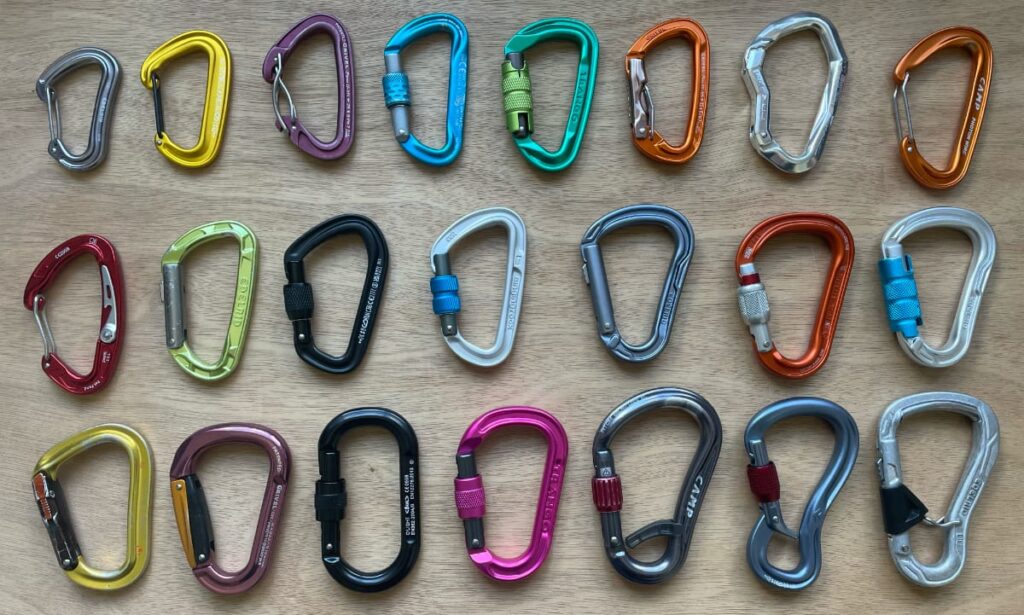
Carabiners
Every climber relies on small pieces of gear that carry serious responsibility. Carabiners sit at the center of that system. They connect ropes, harnesses, anchors, and protection points. A simple mistake with one clip can create real risk. Safe use depends on understanding how they work, where to use them, and how to check them. This article explains clear, practical steps for using Carabiners correctly in rock climbing and mountaineering. The focus stays on real situations, common errors, and habits that experienced climbers follow every time they rack up.
What Carabiners Do in Climbing
This section explains their basic role before moving into the technique. Carabiners act as connectors between critical parts of a climbing system. Climbers use them to link ropes to protection, belay devices to harnesses, and anchors to the climber. Only certified climbing Carabiners belong in these systems. Keychain or utility clips lack the strength required for falls and dynamic loads.
Types of Carabiners and Their Uses
Different designs support different tasks. Locking Carabiners include screw lock, twist lock, and auto lock options. Climbers use them for belaying, rappelling, and anchors. Non-locking Carabiners work well for quickdraws and gear racking. Shape also matters. D-shaped models handle loads efficiently. Pear-shaped options work well with belay devices. Oval designs keep loads centered but offer less strength.
Proper Loading and Orientation
Correct positioning protects strength. Carabiners reach full strength only when loaded along the spine with the gate closed. Side loading reduces strength sharply. Open gates weaken them further. Climbers should always check the rope and device alignment before weighting a system. Keeping the spine aligned with the load prevents rotation during movement.
Safe Use in Common Climbing Situations
This section focuses on real-world applications. For belaying, climbers should always choose locking Carabiners. The gate should face away fromthe rock contact. For anchors, climbers should avoid crowding multiple items into one clip. During rappels, climbers should lock the gate and check orientation before leaving the stance. In quickdraws, climbers should keep the rope side free from rock interference.
Inspection and Ongoing Care
Regular checks prevent gear failure.
Climbers should inspect Carabiners before every climb. The gate should open smoothly and snap shut. Locking sleeves should turn without sticking. Sharp edges, cracks, or deep grooves signal retirement. Dirt and sand can affect function, so cleaning with warm water helps maintain reliability.
Common Mistakes to Avoid
Awareness reduces preventable risk. Climbers should avoid cross-loading caused by poor clipping. They should never mix soft goods in a way that forces the gate open. Using damaged Carabiners or skipping checks invites failure. Rushing setups often leads to these errors.
Conclusion
Safe climbing depends on consistent habits, not complex tricks. Carabiners may look simple, but they demand attention every time climbers use them. Choosing the right type, checking orientation, and inspecting condition protect both the climber and the partner. These steps take seconds but reduce serious risk. Climbers who treat Carabiners with care build stronger systems and better confidence on rock and alpine terrain. The goal stays simple. Clip correctly, check often, and trust gear only after verifying it works as intended.