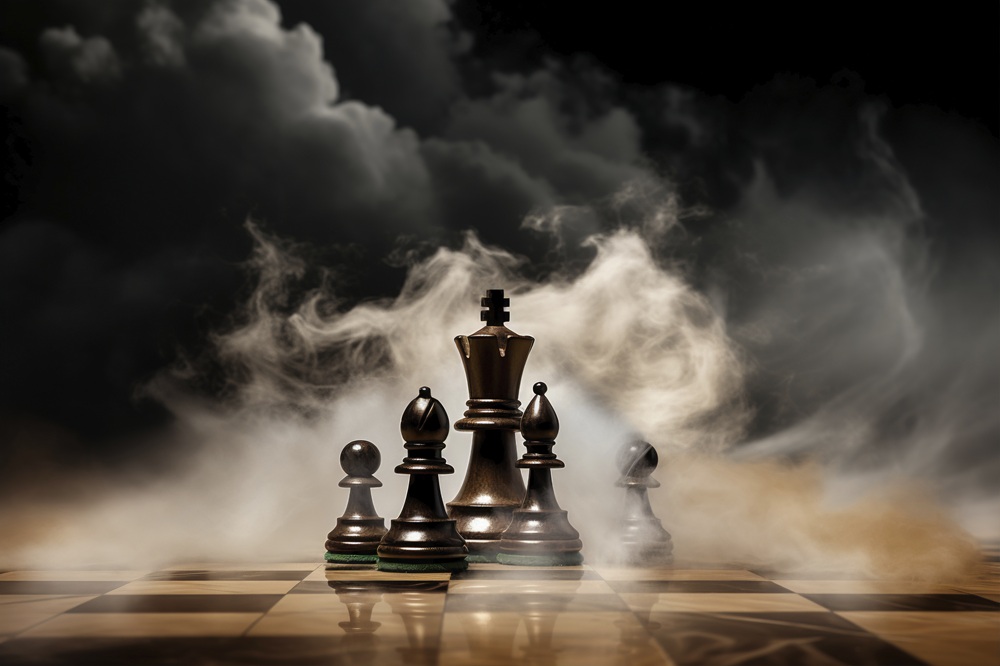
Chess can be brutal. You sit down for a friendly game, or maybe a tournament, and suddenly your opponent throws something at you you’ve never seen. Maybe it’s an offbeat Sicilian, maybe a tricky Reti line, maybe a weird gambit you never studied. Your stomach drops. Your mind races. And the clock is ticking. It’s called a surprise opening. Happens to everyone, even seasoned players. But here’s the thing panicking will cost you more than a few moves. It’ll cost the game.
Why Chess Courses for Beginners Help You Stay Cool
If you’re just starting out, or even a club-level player, the best defense against panic isn’t memorizing every line under the sun. It’s foundation. Strong fundamentals. That’s why investing in chess courses for beginners like the ones at Metal Eagle Chess can make a huge difference. These courses teach you principles, not just moves. You learn why certain openings work, what plans they lead to, and what typical middle game positions look like. When you know the underlying ideas, you’re far less likely to get rattled by something unexpected.
Understand the Core Principles of Openings
Here’s a reality check: most beginners obsess over memorizing lines. Don’t. Focus on concepts. Center control, piece development, king safety, pawn structure these are your anchors. Even if your opponent throws you a curveball, if your pieces are active and your king is safe, you’re not in panic mode.
A lot of players forget about transpositions. That weird move your opponent plays? Often it’s just a transposition into a standard opening. Knowing your principles lets you recognize it fast. And if you’re taking virtual chess lessons or following a Caro Kann course online, you get to see these patterns repeatedly in real examples, which helps you react instinctively.
Don’t Overthink Make Simple Plans
Here’s a mistake I see all the time: someone panics, starts trying to calculate 20 moves deep, and ends up blundering. Don’t. Keep it simple. Ask yourself: what is the opening trying to do? Is my opponent attacking my king? Are they overextending? Where are my pieces weakest? Then make a move that develops your position, not necessarily refutes theirs immediately.
Even advanced players fall into this trap. That’s why advanced chess lessons are often about decision-making under uncertainty, not just fancy tactics. You’ll learn when to fight immediately, and when to consolidate.
Use Time Wisely
Time management is underrated in handling surprises. Don’t spend 10 minutes panicking. Take a breath, maybe 30–60 seconds to assess. During virtual chess lessons, instructors often simulate surprise openings so you practice keeping your cool under time pressure. It works. You build muscle memory for decision-making.
Also, don’t let the clock pressure push you into instinctive panic moves. It’s better to make a slightly passive move than a reckless one that blows your position apart. That’s the kind of stuff they drill in advanced chess lessons — you’ll notice the difference in tournaments.
Recognize Common Surprise Openings
Some openings pop up more than you think. For example:
-
Offbeat Sicilian variants
-
Reti or English with unusual move orders
-
Queen’s Gambit declined sideline traps
-
Rare gambits like Halloween or Englund
If you’ve studied a Caro Kann course, or any solid opening repertoire, you’ll realize these are just deviations. They usually don’t break basic principles. So instead of panicking, map them onto what you know. Ask: does this violate any opening principles? Usually, the answer is no.
Mistakes to Avoid
-
Overreacting by moving pieces aimlessly
-
Ignoring development for a fancy tactical trick
-
Panicking under clock pressure
-
Not knowing typical middle game plans from your opening
Instead, keep your position solid. Develop, control the center, coordinate your pieces. Even if you’re behind a bit, good fundamentals let you survive until you can take over in the middle game.
Analyze Your Games
After every game, especially ones with surprise openings, analyze. Don’t just check the engine. Ask yourself: why did I panic? Did I misjudge the opening? Did I make a move just to “react”? Metal Eagle Chess encourages this practice in virtual chess lessons, using game analysis tools to help students see mistakes and patterns. The more you review, the less surprises catch you off guard.
Practical Solutions for Tournament Play
-
Keep a simple checklist for your openings: King safety, piece activity, pawn structure
-
Learn to transpose surprises into familiar positions
-
Study endgame positions arising from offbeat openings
-
Practise rapid decisions under time pressure in blitz games
When combined, these habits reduce panic significantly. Even advanced players admit that handling surprise openings well is more about mindset than memorization.
Conclusion: Panic is Optional
Surprise openings are going to happen. Always. Whether you’re a beginner, intermediate player, or working through advanced chess lessons, the goal is the same: don’t panic. Stick to principles. Use time wisely. Simplify your plan. Analyze afterward. And practice. That’s it.
If you do this consistently, over time, those strange openings won’t feel like a trap. They’ll feel like another puzzle to solve. Metal Eagle Chess’s chess courses for beginners, along with virtual chess lessons and specialized courses like the Caro Kann course, give you the tools to stay calm, make good decisions, and even turn surprises into advantages.
Remember: chess is about patterns, planning, and patience. Not panic.
FAQ: Handling Surprise Opening Lines
Q1: What’s the best way for beginners to react to an unexpected opening?
A: Focus on principles develop pieces, control the center, keep your king safe. Don’t panic or try memorizing lines on the fly.
Q2: Should I study every possible opening?
A: No. Learn the main ideas. A Caro Kann course or other structured repertoire helps you understand plans rather than memorize every move.
Q3: How can virtual chess lessons help with surprise openings?
A: They simulate real-game situations, teach you patterns, and give feedback. You learn to react calmly under pressure.
Q4: Are advanced chess lessons necessary if I just want to handle surprises?
A: Not at first, but as you improve, they teach decision-making under uncertainty, advanced planning, and converting slight advantages in tricky positions.