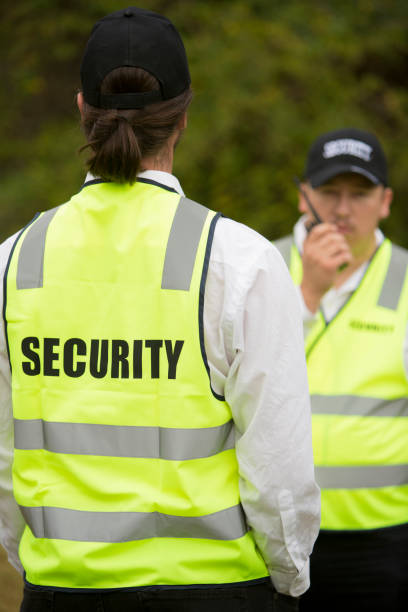
Running a business today means juggling a lot of moving parts. Staff. Customers. Inventory. Data. And somewhere in that mess sits safety, which people usually ignore until something goes wrong. The truth is, choosing a private security company isn’t about ticking a box for insurance or looking tough on paper. It’s about trust. Real trust. The kind that holds up at 2 a.m. when nobody’s watching, and something feels off. I’ve seen businesses rush this decision. Big mistake. Security isn’t a logo on a uniform. It’s people, process, and judgment under pressure. So let’s slow this down and talk about how to choose the right one, without the fluff.
Understand What You Actually Need (Not What Sounds Good)
Before you even call a security provider, get clear on your own situation. Not in a boardroom buzzword way. In a practical, boots-on-the-ground way. Are you protecting people, assets, or information? Or all three. Do you need visible deterrence, or quiet monitoring in the background? Is this a warehouse, office tower, retail store, or construction site? Every business is different. A tech office doesn’t need the same setup as a logistics yard. Yet companies often ask for “full security services” without knowing what that means. That’s how you end up overpaying or under-protected. Sometimes both.
A good provider will ask uncomfortable questions here. If they don’t, that’s a red flag already.
Look Past the Uniform and Ask About Training
Anyone can put on a uniform. Real security shows up in training. This is where many providers cut corners, and it shows fast. Ask how their guards are trained. Not just once, but ongoing. Ask about conflict handling, emergency response, access control, and reporting. Ask what happens when a guard freezes, because yes, that happens. If the answers are vague or heavy on buzzwords, move on. You’re not hiring mannequins. You’re hiring people who may need to make decisions fast, with incomplete information. That takes practice, not brochures.
Experience in Your Industry Matters More Than You Think
Security is contextual. A guard who’s great at malls may struggle in a corporate office. Someone used to construction sites might not fit a hospitality environment.
Ask for examples. Real ones.
“Who have you worked with that’s similar to us?”
“What went wrong, and how did you fix it?”
If they can’t speak honestly about mistakes, they’re not being honest at all. Every security operation has issues. What matters is how they adapt.
Licensing, Compliance, and Insurance (Yes, This Stuff Is Boring but Crucial)
This part isn’t exciting, but skipping it can wreck you later. Make sure the company is properly licensed in your region. Check it yourself. Confirm insurance coverage. Not just that they “have it,” but what it covers. Ask about background checks for guards. Every single one. A legitimate provider won’t get defensive here. They’ll expect these questions. If they push back, that’s your answer.
Communication is the Real Backbone of security.
Here’s something people don’t talk about enough. Most security failures aren’t physical. They’re communication failures.
Who do you call when something happens?
How fast do they respond?
Do you get reports you can actually understand, or just paperwork noise?
A solid private security company treats communication like part of the service, not an afterthought. You should know what’s happening on your site without chasing anyone down. If you’re constantly following up, that’s not security. That’s babysitting.
Technology Helps, But People Still Matter More
Cameras, access systems, and monitoring software. All useful. None of it works alone. Some companies lean too hard on tech to mask weak staffing. Others avoid tech altogether and fall behind. You want balance. Ask how they integrate technology with human decision-making. Also, ask who owns the data. Who maintains the systems? Who responds when something breaks at midnight?
Clear answers here save headaches later.
Cost Isn’t the Same as Value (Cheap Security Gets Expensive Fast)
Let’s be blunt. If a quote is way lower than everyone else, there’s a reason. Usually not a good one.
Low pay leads to high turnover.
High turnover leads to poor performance.
Poor performance leads to incidents, losses, or worse.
This doesn’t mean choose the most expensive option either. It means understanding what you’re paying for. Training costs money. Supervision costs money. Quality people cost money. Cutting those corners shifts the risk straight onto your business.
On-Site Fit: Where the Corporate Security Guard Really Matters
Here’s where things get very specific. The corporate security guard assigned to your location becomes part of your environment, whether you like it or not. Staff interact with them daily. Visitors notice them instantly.
Are they professional without being stiff?
Alert without being aggressive?
Comfortable handling people, not just rules?
The wrong fit creates friction. The right one blends in, but stays sharp. This isn’t something you see in a proposal. You see it in interviews, site visits, and trial periods. Don’t skip those.
Check References, But Listen Between the Lines
Everyone has references. What matters is what those references don’t say.
Ask how long they’ve worked together.
Ask if they’d change anything.
Ask what happens when something goes wrong.
Short answers, long pauses, vague praise. Pay attention. People tell you more with tone than words.
Conclusion: Choose Like It’s Your Problem, Because It Is
Security isn’t a side task. It’s not a checkbox. It’s a partnership that affects your people, your reputation, and your bottom line. Choosing the right provider takes time, and yes, some uncomfortable conversations. Worth it. A solid private security company doesn’t promise perfection. They promise preparation, accountability, and consistency. That’s what you want. Not flash. Not jargon. Just people who show up, stay alert, and take your business seriously. Anything less, and you’re gambling. And that’s not security at all.