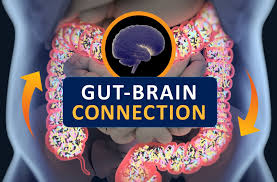
Stress affects every part of your body, but your digestive system feels the impact more quickly and more intensely than you may expect. You might blame stomach discomfort, acid reflux, or difficulty swallowing on poor eating habits or a lack of rest, but many of these symptoms start with prolonged stress. As someone who has supported patients for years in both clinical practice and health education, I have seen how strongly emotional strain influences digestion, appetite, and long-term gut health.
How stress interferes with your digestive system, why certain symptoms become worse under emotional pressure, and what you can do to protect your gut. I will also cover how conditions such as achalasia are often confused with stress-related symptoms or triggered by prolonged physiological strain. My aim is to help you recognise the warning signs early and understand what you can realistically do to improve your digestive comfort.
Stress and Digestion: A Direct Connection You Feel Immediately
Your digestive system and your brain stay in constant communication. If you feel worried, overwhelmed, or physically tense, your body releases hormones such as cortisol and adrenaline. These chemicals prepare your body to handle a threat, but they also disrupt digestion.
Here is what happens during stress:
- Your stomach slows down because your body diverts energy to your muscles.
- Your intestines become more sensitive, which increases cramping, bloating, and discomfort.
- Acid production rises, creating heartburn or worsening reflux.
- Your appetite changes suddenly — you might overeat or barely eat at all.
- Gut bacteria shift, which may upset digestion and immunity.
Many patients tell me they feel their stomach ‘drop’ or tense during stress. That feeling is not imagined. It reflects a real physiological change driven by your nervous system.
How Stress Alters Gut Movement and Causes Discomfort
One of the most significant effects of stress is the change in gut motility — the natural movement of your digestive tract.
Stress Slows Digestion for Some People
If your stomach empties more slowly due to stress, you may experience:
- Heaviness after meals
- Persistent bloating
- Nausea
- Belching
This slowdown occurs because stress hormones switch off unnecessary bodily functions, including digestion, to keep you alert.
Stress Speeds Up Digestion in Others
Some people experience the opposite effect. Stress may speed up bowel movements, leading to:
- Loose stools
- Urgency
- Cramping
This rapid movement prevents your gut from absorbing nutrients properly, which may leave you feeling tired or drained.
Both reactions come from the same trigger — the body shifting into a heightened state of alertness.
How Stress Interferes with Stomach Acid and Reflux
Stomach acid plays a crucial role in breaking down food, yet stress alters acid levels in unpredictable ways. Some people experience an increase in acid production, which leads to:
- Heartburn
- Soreness in the throat
- A burning sensation behind the breastbone
- Bitter taste
Others experience reduced acid, which makes digestion sluggish and uncomfortable.
If you have frequent reflux, stress may intensify it by tightening muscles in the upper stomach or affecting the valve between the oesophagus and stomach. Many people assume reflux comes solely from heavy meals or lying down after eating, but stress can influence it even during otherwise healthy eating habits.
How Stress Disrupts Gut Bacteria
Your gut houses trillions of bacteria that support digestion, immunity, and nutrient absorption. Prolonged stress disrupts the balance of these bacteria, making your gut more sensitive and reactive.
This imbalance often leads to:
- Gas
- Irregular bowel habits
- Food intolerances that were not noticeable before
- Reduced ability to fight infections
Supporting your gut microbiome through a balanced diet, regular sleep, and consistent meals helps counter these effects.
Why You Feel More Pain During Stress
Stress heightens your pain perception. The digestive system has a dense network of nerves, making it highly sensitive to emotional strain. Even mild bloating or normal digestive sensations can feel stronger and more uncomfortable.
This explains why stress may make common digestive issues such as irritable bowel syndrome (IBS), acid reflux, or indigestion feel worse than usual.
Stress and Achalasia: A Condition That Often Gets Mistaken for Stress-Related Symptoms
Achalasia is a rare condition that affects the oesophagus, the muscular tube that moves food from your mouth to your stomach. The muscles fail to contract properly, and the valve at the bottom of the oesophagus does not relax as it should. This causes difficulty swallowing, food sticking in the chest, and discomfort after eating.
Why Stress Causes Confusion with Achalasia
Because stress affects how your oesophagus contracts, many people mistake early achalasia symptoms for stress-induced swallowing problems. You may feel tightness in the throat, a sense of food moving slowly, or chest pressure. These sensations can appear during stressful moments even if you do not have a long-term condition.
However, in people who already have achalasia, stress often worsens symptoms by increasing oesophageal sensitivity and tightening muscles involved in swallowing.
If you have persistent difficulty swallowing, regurgitation, frequent choking, or chest pain unrelated to the heart, you should speak with a healthcare professional. Achalasia requires proper diagnosis.
How Stress Makes Bloating and Gas Worse
Bloating remains one of the most common complaints I hear from patients, and stress contributes to it significantly. Here is how:
- You swallow more air when you feel anxious.
- Your intestines slow down or contract irregularly.
- Your stomach becomes more sensitive to small amounts of gas.
Even healthy foods may cause discomfort during stressful periods because your gut reacts more sharply.
Stress and Appetite: Why You Overeat or Skip Meals
Your appetite responds quickly to stress. Some people feel constantly hungry and crave comfort foods, often high in sugar or fat. These foods trigger temporary relief, but they also burden your digestive system.
Others lose their appetite entirely, which leads to:
- Low energy
- Acid discomfort
- Weak digestion
Skipping meals also encourages overeating later, which intensifies bloating and reflux.
Maintaining regular meals helps keep your digestive system stable even on difficult days.
The Impact of Stress on Your Immune System and Gut Health
Your gut plays a central role in your immune function. When stress weakens your immune response, your digestive system becomes more vulnerable to infections, irritation, and inflammation.
This may result in:
- Sensitivity to foods
- Increased frequency of stomach bugs
- Slower recovery from digestive discomfort
Supporting your gut through proper nutrition and manageable stress levels helps restore balance.
How Stress Affects Your Liver and Nutrient Processing
Stress has a significant influence on your liver — the organ responsible for filtering toxins and processing nutrients. High stress levels can alter how your liver metabolises fats and sugars, which affects digestion and overall energy.
People under prolonged stress may experience:
- Poor fat digestion
- Fluctuating blood sugar
- Heaviness after meals
- Sluggishness
Supporting liver health through a balanced diet rich in fruits, vegetables, whole grains, and adequate hydration helps ease digestive strain.
The Link Between Stress, Sleep, and Digestion
Sleep plays a major role in digestive health, yet stress disrupts sleep patterns. Poor sleep increases cortisol levels, which continue to influence your gut the next day.
If you sleep less or wake frequently due to stress, you may notice:
- Morning nausea
- Cravings
- Heartburn
- Irregular bowel habits
Improving your sleep routine supports better digestion and reduces the day-to-day impact of stress on your gut.
How Stress Influences Hormones and Digestive Symptoms
Hormones control everything from appetite to bowel movements. Stress changes hormone levels, which explains why you may experience:
- Cramping
- Sudden bowel movements
- Sugar cravings
- Constipation during emotionally difficult periods
Women may notice worsening digestive symptoms around the menstrual cycle, as hormone changes interact with stress responses.
Lifestyle Habits That Worsen Stress-Related Digestive Problems
Certain habits increase digestive discomfort during stressful periods:
Eating Too Quickly
Rushed meals make you swallow more air and overload your stomach.
Irregular Eating Patterns
Skipping meals or overeating late at night disrupts your gut rhythm.
High Caffeine Intake
Caffeine increases acid production and may worsen reflux.
Lack of Physical Activity
Movement supports gut motility. Without it, bloating and constipation become more common.
Smoking or Alcohol
Both irritate the digestive tract and reduce your gut’s ability to heal.
Adjusting these habits makes a noticeable difference, especially if you deal with stress daily.
How to Support Your Digestive System During Stress
You can improve your digestive comfort through simple, practical steps. These changes help reset your gut and reduce the intensity of stress-related symptoms.
1. Eat in Smaller Portions
Smaller, frequent meals place less pressure on your digestive system, especially if you feel bloated or nauseated.
2. Focus on Balanced Meals
Choose a combination of whole grains, vegetables, lean proteins, and healthy fats. These foods stabilise your energy levels and support gut function.
3. Stay Hydrated
Water supports digestion and reduces constipation. Sip throughout the day rather than drinking large volumes at once.
4. Practise Slow Eating
Chewing thoroughly reduces stress on your stomach and helps prevent bloating.
5. Include Gut-Supporting Foods
Foods rich in natural fibre and probiotics, such as yoghurt, bananas, oats, and fermented foods, help support your microbiome.
6. Introduce Gentle Movement
A daily walk, stretching, or light exercise improves gut motility and reduces tension in your abdomen.
7. Reduce Late-Night Eating
Your digestive system works more efficiently earlier in the day.
Stress Management Techniques That Improve Digestion
Managing stress does not require dramatic lifestyle changes. Even small habits can ease digestive discomfort.
Breathing Exercises
Deep breathing activates the calming part of your nervous system, reducing gut tension within minutes.
Mindful Eating
Focusing on your food helps improve digestion and prevents overeating.
Regular Sleep Routine
A consistent sleep schedule reduces stress hormone fluctuations.
Gentle Physical Activity
Walking, stretching, or low-intensity exercise helps release tension and regulate bowel movement.
Talking to Someone
Discussing your stress with a friend, counsellor, or support group eases emotional strain and reduces digestive sensitivity.
When Digestive Symptoms Need Medical Attention
Stress triggers many digestive issues, but persistent or severe symptoms may indicate an underlying condition. You should speak with a healthcare professional if you experience:
- Difficulty swallowing or food sticking
- Frequent regurgitation
- Chest pain that feels unrelated to the heart
- Unexplained weight loss
- Blood in the stool
- Persistent vomiting
- Ongoing diarrhoea or constipation
These may suggest conditions such as coeliac disease, inflammatory bowel disease, severe reflux, or achalasia.
If you research natural approaches, you may come across terms such as Natural Remedy for Achalasia, which offer general guidance, but they should never replace a proper diagnosis or evidence-based treatment plan.
Supporting Your Long-Term Gut Health
You strengthen your digestive system by taking consistent steps rather than relying on one quick solution. This includes healthy eating, stress awareness, regular physical activity, and adequate sleep.
If you are exploring nutritional support, you may also find discussions about Best Pure Health Dietary Supplements, which often highlight vitamins and herbal ingredients that people use to support digestion, immunity, and general wellness.
These options can complement your lifestyle, but they work best when combined with sustainable habits that reduce stress.
Final Thoughts
Stress affects your digestive system more than many people realise. It influences how your stomach empties, how your intestines contract, how much acid your body produces, and how you perceive pain. It can mimic conditions like achalasia or worsen symptoms in people who already have it.
By recognising these connections, you can take practical steps to protect your digestive health. Slow, consistent improvements in your lifestyle help your gut regain balance, reduce discomfort, and support long-term wellbeing.
If your symptoms persist or become difficult to manage, speaking with a healthcare professional helps ensure you receive the right support and treatment.