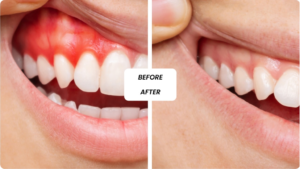
A lot of people think teeth bleaching is some risky cosmetic thing dentists push just to make money. Honestly… that’s not really how it works. A Teeth Bleaching Dentist isn’t just handing out whitening gel and sending you home. There’s an actual process behind it, and it starts with checking your mouth first.
Good dental care means the dentist looks at your enamel, your gums, maybe even old fillings. Because whitening products react differently depending on the condition of your teeth. If there’s gum irritation, cavities, exposed roots… bleaching gets delayed.
That’s the part many people skip when they try drugstore kits. A professional dentist — especially a Family Dentist who already knows your dental history — can spot problems before they become painful mistakes.
And yeah, the result usually looks better too. Not that fake bright-white glow. Just clean, natural teeth that look… healthy. Like they should.
Why Stains Build Up On Teeth In The First Place
People blame coffee. Or tea. Sometimes wine. Sure, those stain teeth. But honestly the story is a bit bigger than that.
Your enamel has tiny pores. Over time pigments settle into those pores. Dark drinks, smoking, certain foods… even aging changes how enamel reflects light. The tooth gets dull, yellowish.
A Teeth Bleaching Dentist basically works to break apart those stain molecules. Professional whitening gels use safe peroxide formulas that penetrate enamel slightly and lift the discoloration from inside.
Sounds intense, I know. But in controlled amounts, it’s very safe. That’s why dentists carefully measure concentrations and timing.
A Family Dentist sees these staining patterns all the time. Parents, teenagers, grandparents — different habits, same issue. Stains creep in slowly, almost sneaky. Then one day people notice their smile in photos and think, wait… when did my teeth get that dark?
Why Professional Bleaching Works Better Than Store Kits
Drugstore whitening kits look convenient. Cheap too. But they’re kind of like buying reading glasses at a gas station. Sometimes they help. Sometimes they miss the mark completely.
Most over-the-counter kits use weak whitening gel and generic trays. The trays rarely fit properly. Gel leaks, spreads unevenly, irritates gums.
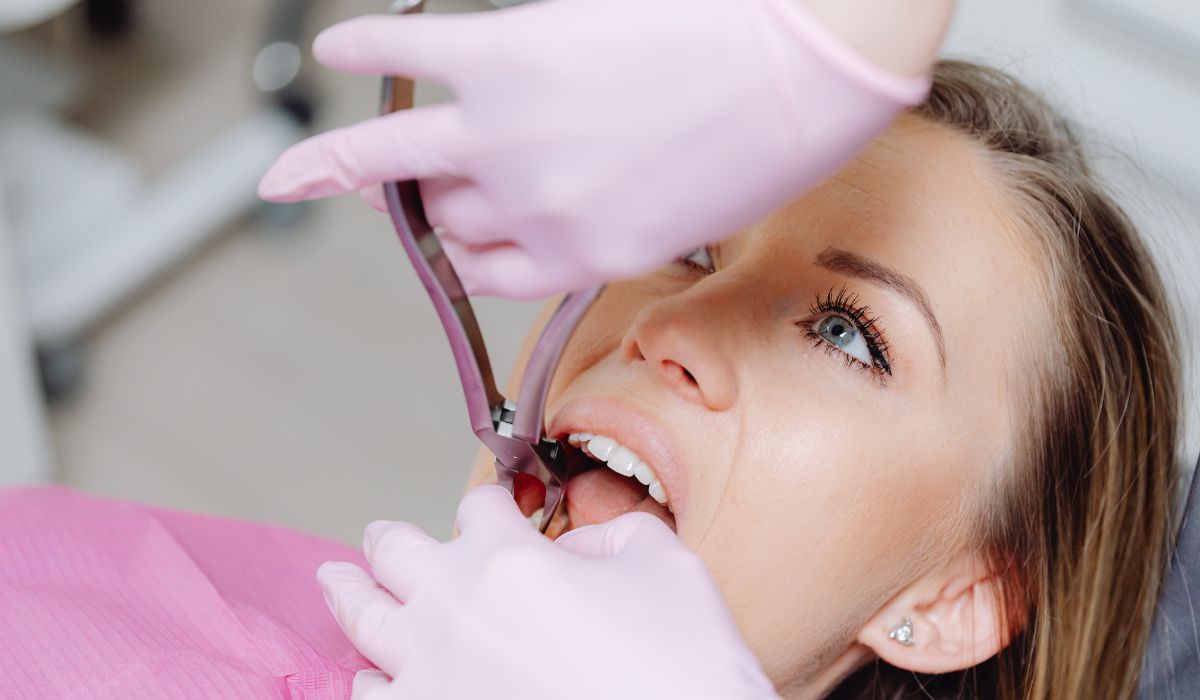
A Teeth Bleaching Dentist customizes everything. Trays are molded to your teeth. Whitening gel is stronger but applied safely. And the dentist monitors the whole process.
Patients often notice the difference pretty quick. Store kits might shift tooth color a shade or two. Professional whitening can brighten teeth several shades while still looking natural.
A Family Dentist also makes sure your teeth are clean before bleaching. That matters more than people think. Plaque and tartar block whitening agents. So a basic dental cleaning often happens first, even in routine dental services.
Teeth Sensitivity: The Concern Everyone Has
The biggest fear people mention? Sensitivity.
You know that sharp, cold zing when drinking ice water. Nobody wants more of that.
Here’s the thing though — sensitivity after professional whitening is usually temporary. A day or two maybe. That’s because bleaching slightly opens enamel pores while lifting stains. Once minerals settle back, things calm down.
A Teeth Bleaching Dentist often uses desensitizing gels or fluoride treatments to reduce that reaction. Some even adjust the bleaching strength depending on your enamel condition.
This is where seeing a Family Dentist really helps. They already know if your teeth run sensitive, if you grind at night, or if enamel wear exists. That background lets them adjust the whitening plan so it doesn’t turn into a painful experience.
The Role Of A Family Dentist In Cosmetic Whitening
Some people think cosmetic dentistry means fancy Beverly Hills offices and huge price tags. But that’s not always true.
Many everyday Family Dentist practices offer whitening treatments right inside their dental clinic. Same dentist who does your cleanings, fillings, checkups… they handle bleaching too.
And honestly that’s often the best option. Your dentist already understands your oral health history. They know which teeth have crowns, which have fillings, where gum recession exists.
That knowledge matters because whitening products don’t affect crowns or fillings the same way they affect natural enamel. A good Teeth Bleaching Dentist plans around those details so the final smile looks balanced instead of patchy.
How Long Teeth Bleaching Results Actually Last
This part depends on habits. No dentist can promise permanent whitening. Teeth live in your mouth, after all. They face coffee, food, life.
Most professional bleaching results last anywhere from 6 months to two years. It varies. Smokers might see stains return sooner. Coffee drinkers too.
But touch-up treatments are simple. Many Teeth Bleaching Dentist offices provide maintenance trays you can use occasionally at home. Just a small refresh once in a while.
Your Family Dentist might also recommend routine dental cleaning visits. Removing surface stains regularly helps keep whitening results brighter longer. Think of it as maintenance for your smile — not a full reset every time.
Is Teeth Bleaching Worth It?
Short answer… yeah, for many people it is.
Not because white teeth make someone perfect. But because a brighter smile often boosts confidence in small ways. People laugh more freely. They stop hiding their teeth in photos.
A professional Teeth Bleaching Dentist treatment is one of the simplest cosmetic dental services available. No drilling. No surgery. Usually done in under an hour or with short at-home sessions.
And when handled by a trusted Family Dentist, the process stays safe and predictable. That’s the real advantage. Not just whitening — but doing it the right way.
Choosing The Right Dentist For Teeth Bleaching
If someone is thinking about whitening, the first step is simple. Talk to a dentist.
A quick exam tells a lot. Are stains external or internal? Is enamel strong enough for bleaching? Are there underlying dental care issues that should be handled first?
An experienced Teeth Bleaching Dentist looks beyond cosmetic results. They think about long-term oral health too.
The goal isn’t just white teeth. It’s a healthy smile that stays that way.