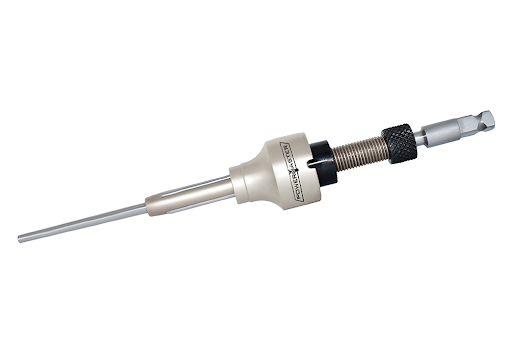
Mechanical systems of industrial facilities are under heavy reliance on their well-maintained state to be productive, safe, and efficient in terms of operation in the long run. Among the most sensitive spheres, there is the service of the thermal and pressure-based equipment that is used under harsh conditions. The use of Heat exchanger maintenance tools in the introduction of any maintenance strategy is very crucial, as it helps in proper inspection, cleaning, and servicing of the systems in order to maintain the best performance of the systems. When these solutions are properly used, downtime is minimized, energy losses are minimized, and safety standards are supported in various industries across the world.
The Value of Planned Maintenance in Industrial Systems
Organizations can prevent any unexpected failures and expensive maintenance with the help of a structured maintenance approach. Equipment performance in situations where maintenance is planned is predictable. This proactive attitude also enhances safety in the workplace since the probability of sudden breakdowns will be minimized. Frequent checks allow detecting wear, corrosion or alignment problems at an early stage. Consequently, the continuity of operations is enhanced, and teams that maintain operations receive more control over the schedule and allocation of resources.
In favor of Accurate Inspection and Cleaning
Proper maintenance requires the capability to inspect the internal and external parts with accuracy. The presence of special inspection techniques enables technicians to trace the presence of foulings, scaling, or mechanical stress and prevent the problem before it explodes. Cleaning operations are also of great significance because deposits may, over time, limit flow and lower the heat transfer efficiency. Using the appropriate equipment, cleaning will be safer, quicker, and more regular, and systems will be able to run in a way closer to the design criteria.
Safe and Controlled Fastening
The other crucial part of industrial maintenance is to make sure that bolted joints are fitting. Under pressure systems, tightenings are uneven or incorrect, which may result in leakage or damage to components. Controlled fastening tools aid in the application of consistent forces on joints and minimize the chances of failures. It is in this case that bolt tightening machine solutions will be useful because they will offer accuracy, repeatability and enhanced safety to maintenance workers in hostile conditions.
Major Advantages of employing Special Equipment
There are various benefits of using purpose-built maintenance equipment in industrial operations. These advantages are associated with the reliability and efficiency of the workforce in the system.
- Reduced errors during inspection and servicing.
- Less maintenance period and effort.
- Improved the safety of the technicians at the site.
- Extended life of the critical parts.
- Further adherence to industry regulations.
Taken together, all of these advantages facilitate the ease of operations and reduce the overall cost of ownership in the long run.
Conclusion
Maintenance is not an isolated activity. It should be part of operational planning. Scheduling maintenance with production cycles reduces disruptions and boosts equipment availability. Digital tracking systems and documented procedures increase transparency and accountability. Over time, this approach improves asset management and helps predict outcomes.
Maintenance practices must be trustworthy to protect industrial assets and keep operations safe and efficient. By investing in the right tools, training, and plans, organizations reduce risks and extend equipment life. Firms seeking reliable solutions can trust Powermaster America LLC for quality help, equipment, and guidance that meet current maintenance needs.