High cholesterol is a growing health concern in fast-paced urban environments, and Dubai is no exception. Sedentary routines, dining out frequently, and high stress levels can all contribute to unhealthy cholesterol levels. Making sustainable lifestyle changes can significantly improve heart health and reduce the risk of cardiovascular disease. This article explains how practical, Dubai-specific lifestyle modifications can help manage High cholesterolemia Dubai effectively.
Understanding High Cholesterol
What Is High Cholesterol?
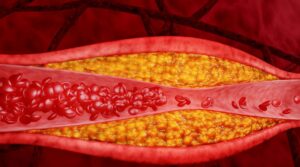
Cholesterol is a fatty substance in the blood that is essential for building cells and producing hormones. However, excessive levels—especially low-density lipoprotein (LDL), commonly known as “bad” cholesterol—can increase the risk of heart disease and stroke.
Why High Cholesterol Is Common in Dubai
Dubai’s modern lifestyle often includes long working hours, limited physical activity, and easy access to calorie-dense foods. Combined with genetic predisposition, these factors make a common diagnosis among residents.
The Role of Lifestyle Changes in Cholesterol Control
Why Lifestyle Matters More Than Medication Alone
While medications like statins are effective, lifestyle changes address the root causes of high cholesterol. In many cases, diet, exercise, stress management, and sleep improvements can lower cholesterol significantly and enhance overall well-being.
Healthy Eating Habits in Dubai
Choosing Heart-Healthy Foods
Dubai offers a diverse food culture, making it easier to choose cholesterol-friendly options if approached mindfully.
Foods That Help Lower Cholesterol
- Fresh fruits and vegetables from local markets
- Whole grains such as oats, brown rice, and whole-wheat bread
- Fatty fish like salmon and sardines rich in omega-3 fatty acids
- Nuts, seeds, and legumes
Foods to Limit or Avoid
- Fried and fast foods
- Processed meats and high-fat dairy products
- Sugary desserts and refined carbohydrates
Dining Out Smartly
When eating at restaurants in Dubai:
- Opt for grilled, baked, or steamed dishes
- Request dressings and sauces on the side
- Control portion sizes, especially with rich international cuisines
Physical Activity and Fitness in Dubai
Importance of Regular Exercise
Physical activity helps raise high-density lipoprotein (HDL), the “good” cholesterol, while lowering LDL levels.
Fitness Options Available in Dubai
Dubai offers numerous ways to stay active:
- Walking or jogging along beaches and waterfronts
- Gym memberships and fitness studios
- Group classes such as yoga, Pilates, and spinning
- Desert activities like hiking and cycling during cooler months
Recommended Exercise Routine
- At least 150 minutes of moderate aerobic activity per week
- Strength training exercises twice a week
Weight Management and Cholesterol Control
How Weight Affects Cholesterol
Excess body weight is closely linked to higher LDL and triglyceride levels. Even modest weight loss can have a positive impact on cholesterol.
Practical Tips for Weight Management
- Maintain regular meal timings
- Avoid late-night snacking
- Balance calorie intake with physical activity
Managing Stress in a Fast-Paced City
The Link Between Stress and Cholesterol
Chronic stress can indirectly raise cholesterol by promoting unhealthy eating habits and hormonal changes.
Stress-Reduction Techniques in Dubai
- Mindfulness and meditation classes
- Yoga sessions in studios or at home
- Leisure activities such as beach walks and spa therapies
Sleep and Its Impact on Cholesterol
Why Quality Sleep Matters
Poor sleep patterns can disrupt metabolism and contribute to higher cholesterol levels.
Tips for Better Sleep
- Maintain a consistent sleep schedule
- Limit screen time before bed
- Create a calm, comfortable sleeping environment
Avoiding Smoking and Limiting Alcohol
Smoking and Cholesterol
Smoking lowers HDL cholesterol and damages blood vessels, increasing heart disease risk.
Alcohol Consumption
Excessive alcohol intake can raise triglyceride levels. Moderation is key for cholesterol control.
Regular Health Check-Ups in Dubai
Importance of Monitoring Cholesterol
Routine blood tests help track progress and detect issues early.
When to See a Doctor
Consult a healthcare professional if:
- You have a family history of heart disease
- Lifestyle changes do not improve cholesterol levels
- You experience symptoms like chest discomfort or fatigue
FAQs About High Cholesterol in Dubai
What is High cholesterolemia Dubai?
High cholesterolemia Dubai refers to elevated cholesterol levels commonly diagnosed among residents due to lifestyle factors, genetics, and dietary habits prevalent in the region.
Can lifestyle changes alone control high cholesterol?
In many cases, yes. Healthy eating, regular exercise, stress management, and weight control can significantly lower cholesterol, though some individuals may still need medication.
How long does it take to see improvements?
With consistent lifestyle changes, improvements can be seen within 8–12 weeks, depending on individual health conditions.
Are traditional Middle Eastern foods bad for cholesterol?
Not necessarily. Many traditional dishes use healthy ingredients like olive oil, legumes, and vegetables. The key is preparation method and portion control.
How often should cholesterol levels be checked?
Adults should typically check cholesterol every 4–6 years, or more frequently if they have risk factors or existing conditions.
Conclusion
Managing high cholesterol does not require drastic measures—consistent, practical lifestyle changes can make a powerful difference. By adopting healthier eating habits, staying active, managing stress, and prioritizing regular health check-ups, residents can effectively control High cholesterolemia Dubai and protect their long-term heart health.