Hyderabad has always eaten with a sense of history. Long before tasting menus and open kitchens became popular, food here carried stories of courts, khansamas, and slow-cooked feasts. What feels new today is not the pride in tradition, but the way fine dining spaces are reworking that legacy. A Fine Dining Restaurant in Hyderabad audience now expects more than luxury. You want context, creativity, and comfort in the same sitting. That expectation is quietly reshaping the city’s dining culture.
They blend royal heritage with modern gastronomy by grounding menus in historical narratives
Many fine dining restaurants start with stories, not ingredients. Old palace kitchens, handwritten recipes, and oral traditions guide menu design. This might sound restrictive at first. In reality, it creates clarity.
You will notice dishes that reference royal banquets or seasonal court meals. The difference is subtle but important. Portions are balanced. Spice levels are measured. The aim is not to recreate the past exactly, but to translate it for today’s palate. Jewel Of Nizam Fine-Dining in Hyderabad often comes up in conversations because it reflects this wider movement, not because it markets itself loudly.
They modernize royal recipes through refined techniques and global culinary science
There is a common fear that modern methods dilute authenticity. That sounds true, but only on the surface. When chefs use sous vide, controlled smoking, or precise temperature cooking, the goal is consistency, not reinvention.
Traditional marinades are still used. Slow cooking remains central. What changes is execution. Oil is lighter. Proteins are cleaner. Flavors arrive in layers rather than all at once. You may feel the dish is simpler, then realize it is actually more complex. That contradiction makes sense once you taste it.
They reflect royal culture through space design while keeping it relevant
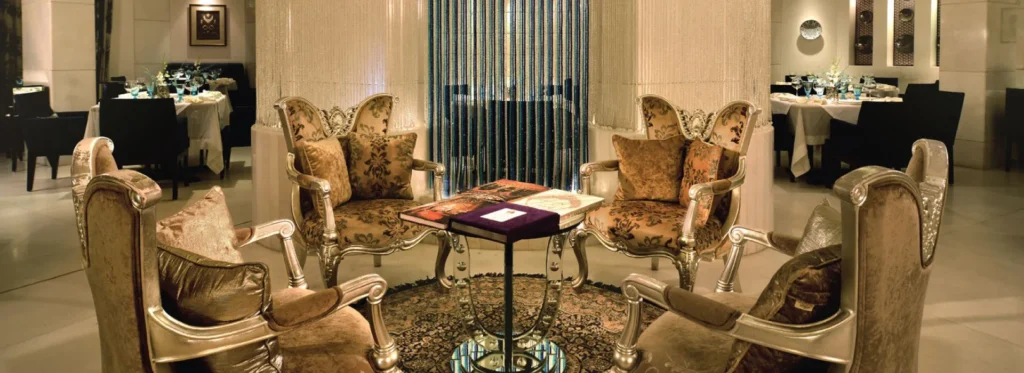
Look around these dining rooms and you will see arches, muted gold tones, and handcrafted elements. At the same time, seating is ergonomic. Lighting is softer, not dramatic. Music stays in the background.
This balance matters because diners today stay longer. You want to talk, not just photograph the space. The design nods to heritage but respects modern comfort. That mix keeps the experience from feeling like a museum.
They reinterpret Nizami cuisine instead of preserving it unchanged
Nizami’s food was once rich, heavy, and celebratory. That does not always suit modern lifestyles. Chefs know this. Instead of preserving recipes unchanged, they reinterpret intent.
For example, gravies may be thinner but more aromatic. Desserts may use the same spices with less sugar. The soul stays intact even as the structure shifts. This approach respects tradition without freezing it in time.
They create dining experiences that feel personal, not performative
Service style has also evolved. Staff often explain dishes casually, sometimes sharing a short backstory if you seem interested. There is no script.
This human touch matters. You feel guided, not instructed. It turns a formal meal into a shared experience, which aligns with how people dine today.
- Heritage informs the menu
- Technique shapes the execution
- Experience ties it together
Conclusion
Fine dining in Hyderabad is not choosing between old and new. It is letting both coexist. Royal heritage gives depth. Modern gastronomy adds clarity. Together, they create meals that feel rooted yet current. When you sit down at a fine dining table here, you are not stepping back in time. You are seeing how the past still speaks, just in a language that fits today.