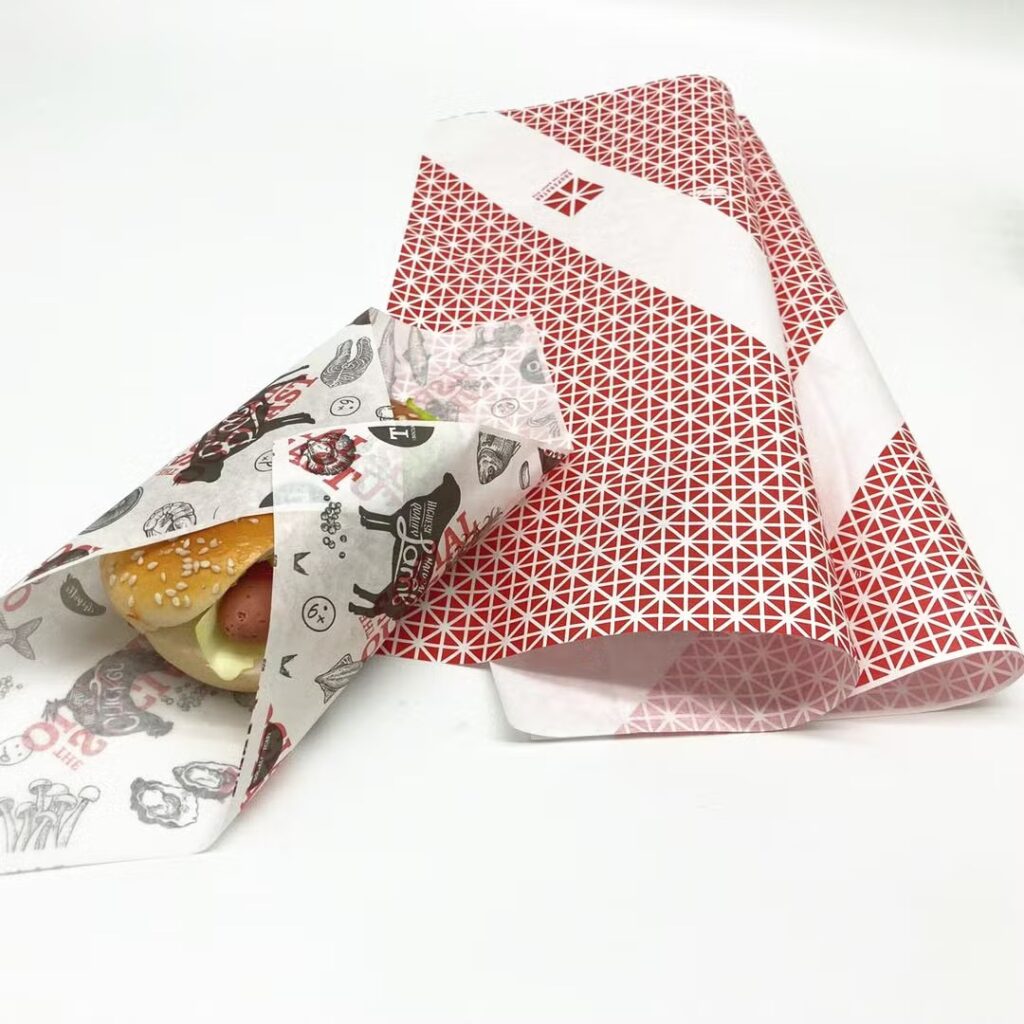
taco bell wrapping paper
Fast-food brands know customers eat with their eyes first. When someone sees a burger wrapped, the food feels ready to eat. Wrapping can create trust. When a sandwich arrives wrapped, customers feel confident eating it immediately without worry about mess or hygiene. Fast-food chains learned that small touches can improve the experience.
Studies show people are more likely to return to a restaurant if the food looks handled carefully. Presentation, even in fast-food settings, plays a role in recognition. Wrapping helps restaurants keep food organized and maintain temperature. This approach can turn a one-time buyer into a repeat customer. By investing in methods to protect food, restaurants increase satisfaction and loyalty.
Why Does Wrapping Influence Customer Perception?
When a food is wrapped, care is shown clearly. Humans are drawn to order. Imagine a taco wrapped in taco bell wrapping paper versus one without. The wrapped food looks ready to eat. Customers judge a restaurant before taking a bite. Wrapping ensures the first impression is positive.
Wrapping also affects food handling. Food stays at the temperature, leaks are prevented, and exposure is limited. These factors add to experience. Brands that focus on wrapping invest in materials and methods. Customers notice details and over time, recognition strengthens. Proper wrapping helps restaurants communicate reliability to customers.
How Do Colors and Patterns in Wrapping Impact Recognition?
Colors and patterns affect recognition. A single shade or repeated pattern can trigger memory. Fast-food brands select wrapping to connect with brand identity. A pattern or icon repeated across wraps helps customers recognize food quickly.
Patterns create memory through repetition. Customers picking up a taco from a familiar design recall past experiences. This method works without marketing. Recognition works through visual cues. Wrapping becomes part of the interaction with food.
Can Wrapping Increase Social Media Shares and Visibility?
Wrapping can influence online sharing. People post food that looks organized. When food arrives in visible wrapping, it is more likely to be photographed and shared. Photos of tacos or sandwiches can reach others without advertising.
Wrapping creates interest. food with handling layers are photographed. Brands gain recognition through posts. Social media shares help reach new customers. Wrapping acts as a communication tool without cost.
How Does Wrapping Protect Food Quality?
Wrapping keeps food at temperature, prevents leaks, and maintains texture. A taco left unwrapped may lose structure. Wrapping preserves food from preparation to customer.
Brands focus on food quality. Food arriving intact creates satisfaction. Wrapping protects against dirt, air, and moisture. A burrito wrapped stays in shape and ready to eat. Restaurants using wrapping ensure each food meets expectations and supports repeat business.
Why Do Fast-Food Brands Use Consistent Wrapping Materials?
Consistency supports recognition. Using the same custom printed paper for orders creates a routine. Customers associate feel and texture with the brand.
Consistency builds trust. Customers expect the same treatment each visit. Fast-food chains test materials for handling and hygiene. Every fold and layer communicates reliability. Wrapping works as a silent message about brand standards.
Can Wrapping Encourage Repeat Purchases?
Appearance and handling influence decisions. People prefer food that appears organized. A burger slipping out of wrapping may create hesitation, while wrapped food can increase willingness to return. Wrapping adds perceived value even when food does not change.
Wrapped food makes customers feel food is handled with care. Satisfaction encourages loyalty. Restaurants focusing on wrapping often see repeated orders. Wrapping becomes part of customer retention strategy.
How Do Fast-Food Brands Stand Out With Wrapping Designs?
Designs help food stand out. In delivery or crowded settings, recognizable wrapping identifies food. Brands include icons or patterns to allow identification at a glance.
Designs communicate brands. Custom food paper shows branding and reminds customers of past food. Wrapping becomes part of the food experience and helps customers identify brands without reading labels.
Why Is Hygiene a Key Factor in Wrapping?
Hygiene affects trust. Wrapped food feels handled. Customers eating on go value protection. Wrapping signals care and responsibility.
Fast-food chains rely on trust. Wrapping ensures food reaches customers without contact and limits handling issues. Wrapping prevents leaks and spills, which supports dining areas and customer satisfaction.
How Do Wrapping Choices Affect Brand Memory?
Familiar wrapping strengthens memory. Visual cues like texture or pattern trigger recognition. Customers recall brands quickly when exposed repeatedly.
Repeated exposure adds recognition. Each wrapped taco reinforces identity. Even handling aspects contribute. Brands using wrapping effectively make food recognized and remembered.
Can Wrapping Be a Marketing Tool Without Extra Cost?
Wrapping serves as advertising. food carried around show brands to others. A design or icon draws attention without cost. Small businesses can benefit from this method.
Restaurants can use WaxPapersHub for wrapping that communicates care. Handled food creates impressions, supports recognition, and reaches new customers. Wrapping acts as a communication tool and drives awareness.
How Can Startups Improve Recognition Through Wrapping?
Startups build identity using wrapping. Handling and attention communicate professionalism. Even small outlets appear professional when food arrives.
Investing in materials improves consistency. Using custom printed paper from WaxPapersHub helps maintain recognition. Customers associate handling with brand. Wrapping is no longer just protection; it becomes part of brand recognition strategy.
How Does Wrapping Impact Takeout and Delivery Experience?
Takeout and delivery rely on handling. Wrapping keeps food intact and at temperature. Customers receiving orders note treatment of food.
Restaurants ensure food remains ready to eat during delivery. Drivers transport food confidently. Startups and businesses can use WaxPapersHub to get handling materials that maintain identity. Proper wrapping supports recognition and improves customer experience.
Conclusion
Wrapping is more than a layer. It affects recognition, protection, hygiene, memory, and awareness. Fast-food brands using handling methods create interactions with customers. Through custom printed paper, and consistent design, brands strengthen recognition. Startups and restaurants can benefit from using WaxPapersHub to maintain standards, support recognition, and provide food handled for repeat interaction.