Moisture is one of the biggest challenges farmers face in the USA. Too much water can harm crops, spoil harvests, and reduce profits. Rain, dew, humidity, and even melting snow can cause serious damage if crops are left unprotected. This is where crop covers play a very important role. Crop covers act like a shield that protects crops from excess moisture while still allowing them to stay healthy. In this blog, we will explain how crop covers help reduce moisture damage, why moisture control matters, and how farmers can use covers the right way.
Why Moisture Damage Is a Big Problem for Crops
Moisture is necessary for plant growth, but too much of it can quickly turn into a problem. When crops stay wet for long periods, several issues can occur.
Causes of Excess Moisture
Excess moisture usually comes from heavy rain, poor drainage, high humidity, or wet ground conditions. Crops stored after harvest can also absorb moisture from the air. When water sits on crops or soil for too long, it creates the perfect environment for damage.
Common Problems Caused by Moisture
Too much moisture can lead to mold, mildew, rot, and fungal diseases. These problems weaken crops and make them unsafe or unusable. Moisture can also cause crops to lose quality, color, taste, and nutrition. For stored crops like hay or grains, moisture can cause spoilage and even fire risks due to heat buildup. This is why managing moisture is so important in farming.
What Are Crop Covers?
Crop covers are protective sheets made from durable materials. They are placed over crops in the field or over harvested crops during storage. These covers help control how much water reaches the crops. Crop covers come in different types and sizes. Some are lightweight and breathable, while others are thicker and more protective. Farmers choose covers based on their specific needs, crop type, and weather conditions.
How Crop Covers Block Excess Moisture
Crop covers help reduce moisture damage in several effective ways. They do not just block water; they help manage it properly.
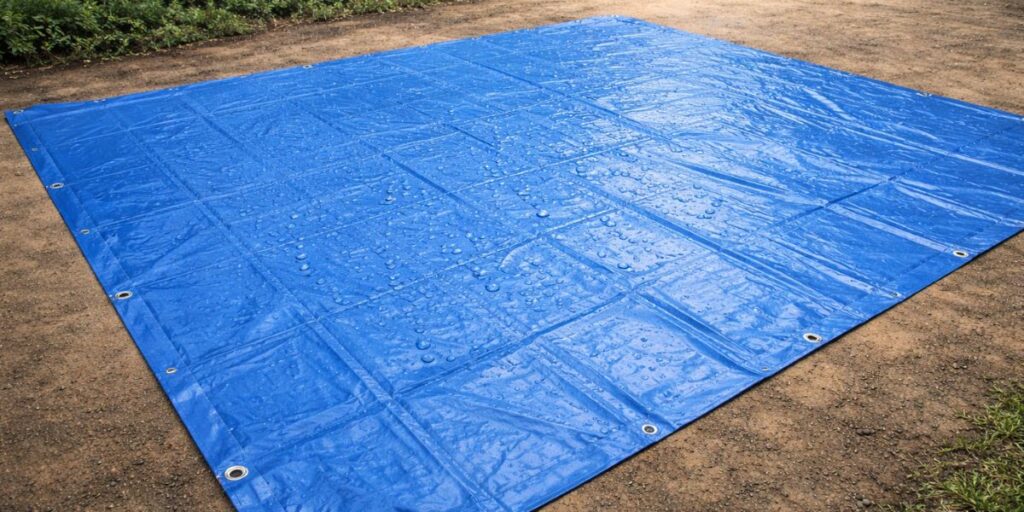
- Creating a Protective Barrier: The main job of a crop cover is to act as a barrier between crops and moisture. When it rains, the cover stops water from directly soaking the crops. This prevents water from sitting on leaves, stems, or harvested materials. By keeping crops dry on the surface, covers reduce the risk of rot and mold growth.
- Controlling Condensation: Condensation happens when warm air meets a cooler surface, creating water droplets. Without protection, condensation can build up on crops overnight. Crop covers help control this by reducing direct exposure to temperature changes. Some covers are designed to allow air to move underneath while blocking water. This balance helps reduce moisture buildup from condensation.
- Improving Airflow: Good airflow is important for keeping crops dry. Many crop covers are designed to allow air circulation while still blocking rain. This airflow helps moisture evaporate instead of staying trapped. Better airflow means crops dry faster after rain or dew, which lowers the chance of fungal growth.
How Crop Covers Protect Crops During Storage
Moisture damage does not stop once crops are harvested. Stored crops are also at risk, especially when stored outdoors or in open areas.
Keeping Stored Crops Dry
When crops like hay or grains are stored outside, they are exposed to rain and humidity. Using covers helps prevent moisture from soaking into stored materials. For example, using Hay Tarps helps keep hay dry and protected, reducing spoilage and waste. Dry-stored crops maintain better quality and last longer.
Preventing Mold and Rot
Stored crops that absorb moisture can quickly develop mold. Mold not only ruins crops but can also be harmful to animals and people. Crop covers help reduce this risk by blocking moisture and allowing air to flow. This protection helps farmers avoid losses and maintain safer storage conditions.
Reducing Soil Moisture Problems
Crop covers are also useful for managing moisture in the soil.
-
Preventing Soil Saturation: Heavy rain can oversaturate soil, making it hard for plant roots to breathe. When roots sit in water for too long, plants become weak and unhealthy. Crop covers help reduce how much rain reaches the soil, keeping moisture levels more balanced.
-
Reducing Erosion and Runoff: Too much water can wash away topsoil and nutrients. Covers help slow down water impact, reducing erosion and keeping soil healthy. Healthier soil means stronger crops and better yields.
Why Crop Covers Are a Smart Investment
Crop covers are a wise investment for farmers because they protect valuable crops from moisture damage and other environmental risks. By keeping crops dry, they help reduce losses, maintain quality, and support higher yields. Over time, this protection saves money on replacements and reduces the stress of worrying about weather-related crop damage. With increasingly unpredictable weather across the USA, crop covers give farmers peace of mind, ensuring that crops remain safe during heavy rains, dew, or storage. Choosing the right covers allows farmers to protect their hard work effectively and reliably.
Conclusion
Moisture damage is a major challenge in farming, but the right crop covers make it manageable. They block excess water, improve airflow, reduce disease, and protect crops in both fields and storage. Easy to use and highly effective, quality covers from Tarps Plus help farmers reduce moisture damage and protect their crops for the long term.