Introduction
Sunrise and sunset photography is one of the most rewarding forms of landscape photography. The golden hues, dramatic skies, and soft natural light create breathtaking scenes that even beginners can capture beautifully with a DSLR camera. Whether you’re photographing for personal memories, social media, or enhancing images later using tools like a Sunset Photo Frames Editor, mastering a few techniques can dramatically improve your results.
In this guide, we’ll walk through everything you need to know—from preparation to camera settings—to capture stunning sunrise and sunset photos like a professional.
1. Plan Ahead for the Perfect Shot
The secret to great sunrise and sunset photography begins before you pick up your DSLR.
-
Check the timing: Use weather or photography apps to know the exact sunrise and sunset times.
-
Study the location: Visit the place earlier in the day to identify foreground elements like trees, buildings, water bodies, or mountains.
-
Watch the weather: A sky with scattered clouds often produces the most dramatic colors.
Planning gives you enough time to set up your DSLR and experiment with compositions before the light changes.
2. Use the Right DSLR Camera Settings
Understanding your DSLR settings is crucial for capturing the rich colors of sunrise and sunset.
a. Shoot in Manual or Aperture Priority Mode
Manual mode gives full control, while Aperture Priority is ideal if you’re still learning.
b. Aperture (f-stop)
-
Use f/8 to f/11 for landscapes to keep the entire scene sharp.
-
A smaller aperture also enhances sun rays during sunrise or sunset.
c. ISO
-
Keep ISO low (100–200) to reduce noise and maintain image quality.
-
Low light doesn’t mean high ISO—use a tripod instead.
d. Shutter Speed
-
Slower shutter speeds help capture more light during sunrise or sunset.
-
Adjust based on how bright the sky is and whether you want motion blur in clouds or water.
3. Always Shoot in RAW Format
If your DSLR supports RAW, always use it.
RAW images:
-
Preserve more details
-
Allow better color correction
-
Make post-editing easier, especially when enhancing images in a Sunset Photo Frames Editor
This gives you more flexibility when adjusting exposure, highlights, and shadows.
4. Master White Balance for Natural Colors
Auto white balance often struggles during sunrise and sunset.
Try these options:
-
Daylight for natural warm tones
-
Cloudy to enhance reds and oranges
-
Custom white balance for full control
This ensures your photos reflect the true beauty of the moment.
5. Compose with Foreground Interest
A stunning sky alone isn’t always enough.
Add foreground elements like:
-
Silhouetted trees or people
-
Boats, buildings, or roads
-
Reflections in water
Using the rule of thirds, place the horizon slightly above or below the center depending on whether the sky or foreground is more interesting.
6. Use a Tripod for Sharp Images
Sunrise and sunset lighting conditions often require slower shutter speeds.
A tripod helps:
-
Prevent camera shake
-
Maintain sharpness
-
Experiment with long exposures
It’s an essential accessory for DSLR landscape photography.
7. Capture the Changing Light
One common mistake photographers make is leaving too early.
The best colors often appear:
-
Before sunrise
-
10–30 minutes after sunset (blue hour)
Keep shooting as the sky transitions from golden tones to soft blues and purples.
8. Experiment with Silhouettes
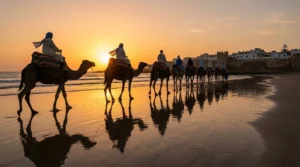
Silhouettes add drama and storytelling to your sunrise and sunset photos.
How to create silhouettes:
-
Meter for the sky, not the subject
-
Place subjects against the brightest part of the sky
-
Keep shapes simple and recognizable
This technique works beautifully for trees, people, birds, or city skylines.
9. Enhance Photos with Creative Editing
Post-processing plays a major role in making your photos stand out.
After capturing your shots with a DSLR, you can:
-
Adjust contrast and saturation
-
Enhance warm tones
-
Add creative borders and effects
Using a Sunset Photo Frames Editor can help transform your photos into eye-catching visuals perfect for sharing on social media or creating digital artwork.
10. Practice and Be Patient
Sunrise and sunset photography requires patience and consistency.
Not every day will give you dramatic skies—but every shoot improves your skills. The more you practice, the better you’ll understand light, timing, and composition.
Final Thoughts
Capturing beautiful sunrise and sunset photos with a DSLR camera is a blend of preparation, technical knowledge, creativity, and patience. By mastering camera settings, understanding light, and focusing on strong compositions, you can create stunning images that truly reflect nature’s beauty.
Once captured, enhancing your images with tools like a Sunset Photo Frames Editor adds an artistic touch and helps your photos stand out even more.
This article in the pencraftednews must have given you clear idea about At MVLTR Apps, we believe photography is not just about capturing moments—but about enhancing them creatively and sharing their beauty with the world. With the right DSLR techniques and smart editing tools, every sunrise and sunset can become a masterpiece.