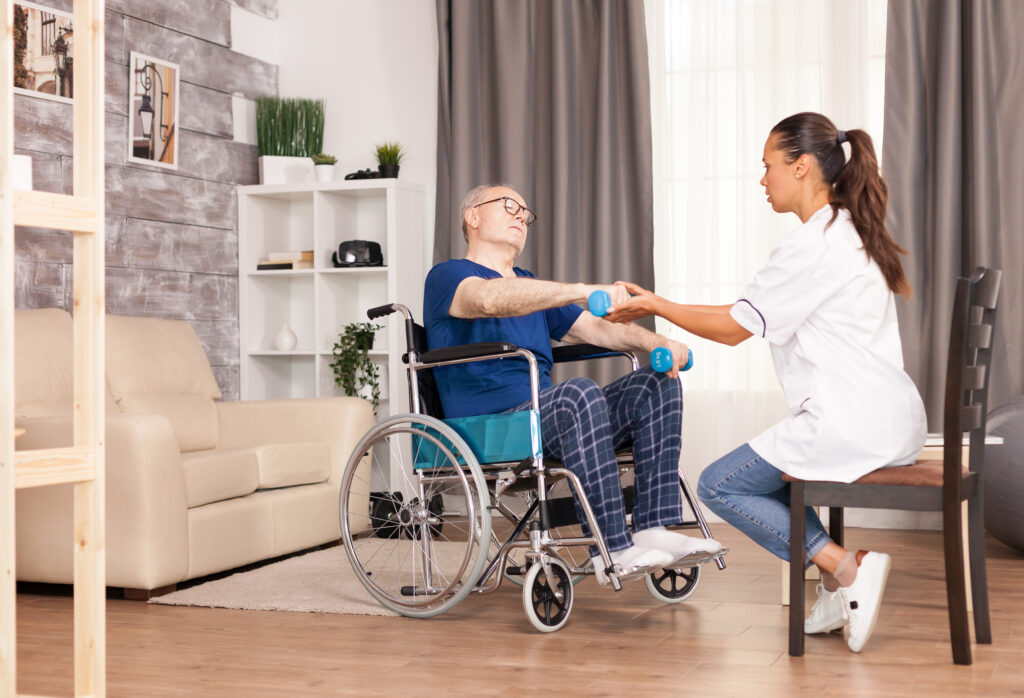
Aged person suffering arms pain sitting on wheelchair and training with dumbbells. Disabled handicapped old person with social worker in recovery support therapy physiotherapy healthcare system nursing retirement home
Imagine receiving hospital-level care without leaving your bed—your own bed, surrounded by familiar walls, memories, and comfort. That’s exactly what home nursing care offers. It is a specialized healthcare service delivered by trained nurses in a patient’s home, designed to provide medical support, monitoring, and rehabilitation without requiring prolonged hospital stays. This form of care bridges the gap between hospital treatment and independent living, making recovery smoother and more personal.
Unlike general caregiving, home nursing care involves clinical expertise. Nurses administer medications, manage wounds, monitor vital signs, and even operate medical equipment when necessary. It’s not just about convenience—it’s about bringing professional healthcare directly to where patients feel safest. With the global healthcare landscape evolving rapidly, more individuals are choosing this model as a practical and emotional alternative to institutional care.
Difference Between Home Care and Home Nursing Care
It’s easy to confuse home care with home nursing care, but the distinction is crucial. Home care focuses primarily on daily living assistance—think bathing, dressing, and meal preparation. Home nursing care, on the other hand, dives deeper into medical territory. It involves qualified nurses who can perform clinical procedures and monitor complex health conditions.
For example, a caregiver might help an elderly person walk or eat, while a home nurse would manage diabetes injections or post-surgical recovery. This difference makes home nursing care especially valuable for patients with serious or ongoing health issues. It’s like comparing a helpful companion to a trained medical professional—both are important, but they serve very different roles.
Why Home Nursing Care is Growing Rapidly
Aging Population Trends
One of the biggest drivers behind the rise of home nursing care is the aging global population. According to recent data, around 70% of people aged 65 will require long-term care at some point in their lives . That’s a staggering number when you think about it. Add to that the fact that 88% of seniors prefer to stay in their own homes, and you begin to see why demand for home-based care is skyrocketing.
This isn’t just a trend—it’s a transformation. Families today are increasingly seeking solutions that allow their loved ones to age with dignity and independence. Home nursing care fits perfectly into this vision, offering both medical support and emotional comfort in a familiar environment.
Shift from Hospital to Home-Based Care
Healthcare systems worldwide are also shifting toward home-based models. Studies suggest that a significant portion of healthcare services—worth billions—can now be delivered at home without compromising quality . This shift is fueled by advancements in medical technology, telehealth, and portable equipment that make in-home treatment more feasible than ever.
Additionally, about 70% of long-term care recipients now receive services at home rather than in institutions across many developed countries . This shift reflects a broader movement toward patient-centered care, where comfort, convenience, and personalization take priority.
Types of Home Nursing Care Services
Post-Surgical Care
Recovering from surgery can feel like climbing a mountain. Home nursing care turns that steep climb into a guided walk. Nurses help with wound care, medication management, and monitoring for complications, ensuring patients heal properly without frequent hospital visits.
This type of care is especially beneficial for surgeries that require long recovery periods, such as orthopedic procedures or major operations. Having a nurse at home means early detection of complications, which can be life-saving.
Elderly Care
As people age, their healthcare needs become more complex. Home nursing care provides elderly individuals with the support they need to maintain their independence while managing chronic conditions. From monitoring blood pressure to assisting with mobility, nurses ensure seniors stay safe and healthy at home.
It’s not just about medical care—it’s about preserving dignity. Elderly patients often feel more comfortable and less anxious in their own homes, which positively impacts their overall well-being.
Chronic Disease Management
Living with chronic conditions like diabetes, heart disease, or respiratory issues requires consistent monitoring and care. Home nursing services make this process easier by providing regular check-ups, medication administration, and lifestyle guidance.
With chronic diseases accounting for 85% of home healthcare admissions , it’s clear that this service plays a critical role in modern healthcare. It helps patients avoid frequent hospital visits while maintaining better control over their health.
Palliative and End-of-Life Care
When dealing with serious illnesses, comfort becomes the top priority. Home nursing care offers compassionate support for patients in their final stages of life, focusing on pain management and emotional well-being.
This type of care allows families to spend meaningful time together in a familiar setting, creating a sense of peace during difficult moments. It transforms care into something deeply human and personal.
Key Benefits of Home Nursing Care
Personalized Attention
In hospitals, nurses often juggle multiple patients at once. At home, the focus is entirely on one individual. This personalized attention ensures that every aspect of the patient’s health is monitored closely, leading to better outcomes.
It’s like having a healthcare professional dedicated solely to you—your needs, your comfort, your recovery.
Faster Recovery
Healing isn’t just physical—it’s emotional too. Being in a familiar environment reduces stress and promotes faster recovery. Patients often feel more relaxed and motivated, which accelerates the healing process.
Reduced Infection Risk
Hospitals, despite their cleanliness, can expose patients to infections. Home nursing care minimizes this risk by keeping patients in a controlled environment. This is particularly important for individuals with weakened immune systems.
Cost Efficiency
While home nursing care can be expensive in some cases, it often proves more cost-effective than prolonged hospital stays. However, costs can vary widely depending on the level of care required. In some regions, home care expenses can exceed average income levels without financial support .
Home Nursing vs Hospital Care
| Feature | Home Nursing Care | Hospital Care |
|---|---|---|
| Environment | Comfortable, familiar | Clinical, unfamiliar |
| Cost | Variable, often lower long-term | High daily costs |
| Infection Risk | Lower | Higher |
| Personal Attention | High | Limited |
| Flexibility | High | Fixed schedules |
Who Needs Home Nursing Care?
Seniors
Aging individuals often require continuous care, making home nursing an ideal solution for maintaining independence while ensuring safety.
Disabled Individuals
People with physical or mental disabilities benefit greatly from in-home medical support, allowing them to live more comfortably.
Post-Hospitalization Patients
Patients recovering from surgeries or illnesses often need temporary medical care, which home nursing provides efficiently.
Cost of Home Nursing Care
Factors Affecting Cost
The cost of home nursing care depends on several factors, including the level of medical expertise required, duration of care, and geographic location. Intensive care services with specialized equipment naturally cost more than basic nursing assistance.
Interestingly, studies show that the cost of home care can be significantly high without public support systems, sometimes exceeding average income levels for older adults . This highlights the importance of insurance and government programs in making care accessible.
Challenges in Home Nursing Care
Workforce Shortage
Despite its growing demand, the home nursing sector faces a shortage of skilled professionals. Reports indicate increasing pressure on the workforce due to rising demand and limited staffing.
Financial Barriers
Affordability remains a major challenge for many families. While home care offers numerous benefits, not everyone can access it without financial assistance.
Future of Home Nursing Care
Technology Integration
The future of home nursing care looks incredibly promising. With advancements in telehealth, wearable devices, and remote monitoring, healthcare is becoming more accessible than ever. Employment in home health nursing is expected to grow by 21% between 2023 and 2033, highlighting its expanding role in healthcare .
Technology is transforming homes into mini healthcare hubs, making it possible to deliver high-quality care without stepping into a hospital.
How to Choose the Right Home Nursing Service
Choosing the right service can feel overwhelming, but it doesn’t have to be. Focus on qualifications, experience, and patient reviews. Always verify the credentials of nurses and ensure the service provider is licensed and reputable.
Communication is key. A good home nursing service will keep you informed, involved, and confident in the care being provided.
Conclusion
Home nursing care is more than just a healthcare service—it’s a shift in how we think about healing and support. It brings medical expertise into the heart of the home, combining professionalism with comfort. As demand continues to grow, this model is set to redefine the future of healthcare, making it more personalized, accessible, and human-centered.
FAQs
1. What services are included in home nursing care?
Home nursing care includes medical services like wound care, medication administration, monitoring vital signs, and managing chronic conditions.
2. Is home nursing care better than hospital care?
It depends on the patient’s condition. For long-term or recovery care, home nursing often provides more comfort and personalized attention.
3. How much does home nursing care cost?
Costs vary based on services, duration, and location. Intensive care services are typically more expensive.
4. Who can benefit from home nursing care?
Seniors, disabled individuals, and patients recovering from surgery or illness benefit the most.
5. Is home nursing care safe?
Yes, when provided by qualified professionals, it is a safe and effective alternative to hospital care.