Modern skin therapy continues evolving with innovative modalities that promise enhanced complexion vitality and dermal clarity. Among these advanced techniques, the High Frequency Facial has attracted significant attention within aesthetic clinics and dermatology studios. This electro-therapy procedure uses gentle electrical oscillation delivered through glass electrodes to stimulate epidermal activity. Interestingly, many practitioners also integrate the treatment into broader beauty routines that include scalp care, recognizing the interconnected physiology of skin and hair follicles. Before scheduling this therapy session, it is helpful to understand how the technology operates, who benefits most, and what outcomes can realistically be expected.
Understanding the Science Behind High Frequency Treatments
A High Frequency Facial utilizes a specialized device that transmits mild alternating electrical currents through neon or argon gas–filled electrodes. When applied to the skin, these currents generate a subtle buzzing sensation accompanied by a faint glow. The electrical stimulation increases localized circulation, boosts oxygen delivery to tissue, and produces a temporary germicidal effect on the epidermis.
Because the method enhances microcirculation, many estheticians combine it with therapeutic scalp care routines. Improved blood flow around hair follicles can encourage healthier follicular environments and assist individuals experiencing dull or congested skin along the hairline. The device therefore serves a dual aesthetic purpose: complexion refinement and follicle-supportive scalp care maintenance.
Another biological advantage involves ozone generation. The electrical current converts surrounding oxygen molecules into ozone, which possesses antibacterial characteristics. This mechanism makes the High Frequency Facial particularly appealing for individuals managing blemish-prone complexions or uneven skin texture.
Skin Concerns That May Benefit From the Procedure
Dermatology professionals recommend the treatment for a variety of cosmetic concerns. While results differ between individuals, several common dermatological conditions often respond positively.
Acne-Prone Complexions
The antibacterial ozone produced during a High Frequency Facial helps reduce surface microbes that contribute to acne outbreaks. By disinfecting pores and improving circulation, the therapy can calm inflamed blemishes while accelerating healing.
Dull or Congested Skin
Poor microcirculation frequently results in lackluster complexion tone. The gentle stimulation from the device increases blood flow and oxygenation, which may improve brightness and elasticity.
Early Signs of Aging
Fine lines, minor sagging, and uneven texture sometimes improve due to enhanced collagen activity stimulated during a High Frequency Facial. While the procedure does not replace clinical resurfacing or injectables, it may complement preventative skincare strategies.
Hairline and Follicle Maintenance
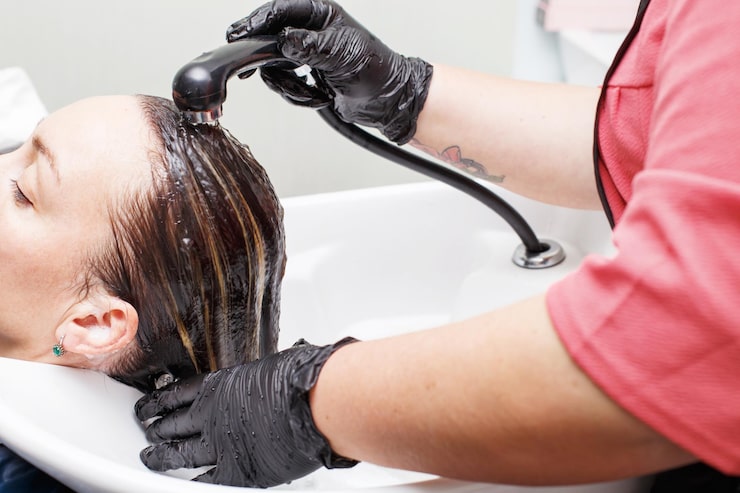
Some practitioners extend the treatment into targeted scalp care sessions. By applying the electrode along the scalp perimeter, circulation increases near follicles, supporting healthier growth conditions. For clients seeking holistic beauty regimens, combining facial rejuvenation with structured scalp care can be appealing.
What Happens During a Typical Session
Although techniques vary among clinics, a typical appointment follows several stages designed to maximize both comfort and effectiveness.
Cleansing and Preparation
The esthetician begins with thorough cleansing to remove cosmetics, environmental residue, and excess sebum. Clean skin allows the electrical current from the High Frequency Facial device to interact evenly across the epidermis.
Electrode Application
A glass electrode is placed against the skin and moved gently in circular or tapping motions. Depending on the practitioner’s approach, the device may be used in direct contact or with a gauze barrier that enhances the spark effect.
Targeted Treatment Zones
Areas with breakouts or congestion often receive additional passes. When included in integrated beauty routines, the therapist may also conduct light scalp care stimulation along the hairline or crown region.
Soothing Finishing Products
Following the session, calming serums and moisturizers are applied. Many clinics conclude with light massage to reinforce circulation and complement the revitalizing effects of the High Frequency Facial.
Most treatments last between 10 and 20 minutes, making them convenient additions to longer facial protocols.
Potential Advantages of High Frequency Technology
The popularity of this therapy stems from several notable benefits frequently reported by skincare professionals.
Non-Invasive Rejuvenation
Unlike aggressive resurfacing procedures, the High Frequency Facial remains relatively gentle and requires minimal recovery time. Clients typically resume normal activities immediately afterward.
Improved Circulatory Activity
Enhanced blood flow nourishes skin tissue with oxygen and nutrients. This circulatory stimulation may improve complexion vibrancy while supporting complementary routines such as structured scalp care maintenance.
Temporary Antibacterial Action
The ozone produced during treatment helps neutralize bacteria present on the skin surface. For acne-prone individuals, this antimicrobial effect provides an additional layer of defense between clinical visits.
Synergy With Skincare Products
The electrical stimulation can improve absorption of topical formulations applied afterward. Many estheticians incorporate targeted serums following a High Frequency Facial to amplify hydration and nutrient delivery.
Who Should Avoid This Treatment
Despite its benefits, the procedure is not appropriate for everyone. Certain health conditions or sensitivities require caution.
People with pacemakers, severe rosacea, epilepsy, or metal implants near the treatment zone should consult a physician before undergoing a High Frequency Facial. Pregnant individuals are also typically advised to postpone electro-therapy procedures.
Additionally, individuals with extremely sensitive scalps should discuss scalp care applications carefully with their practitioner. Although the electrical current is mild, proper evaluation ensures safe treatment parameters.
Integrating the Therapy Into a Broader Beauty Routine
Consistency plays a major role in visible results. Many clinics recommend treatments once every two to four weeks depending on skin condition and therapeutic goals.
Clients who combine facial rejuvenation with advanced scalp care routines often notice improved balance along the hairline and forehead region. Because the scalp and facial skin share similar sebaceous activity patterns, addressing both zones simultaneously can create more harmonious aesthetic outcomes.
However, the therapy works best when paired with disciplined daily skincare practices. Gentle cleansing, sun protection, and nutrient-rich formulations remain essential components of any complexion strategy—even for individuals receiving routine High Frequency Facial sessions.
Final Thoughts: Is It Worth Trying?
For many individuals seeking a non-invasive method to refresh their complexion, the High Frequency Facial offers an intriguing option. Its ability to stimulate circulation, produce mild antibacterial effects, and complement professional skincare protocols makes it a valuable addition to modern aesthetic practice. When integrated alongside thoughtful scalp care strategies and consistent home maintenance, the therapy may contribute to clearer, brighter, and more balanced skin over time. Consulting a qualified skincare professional ensures the treatment aligns with your unique dermatological needs and wellness goals.