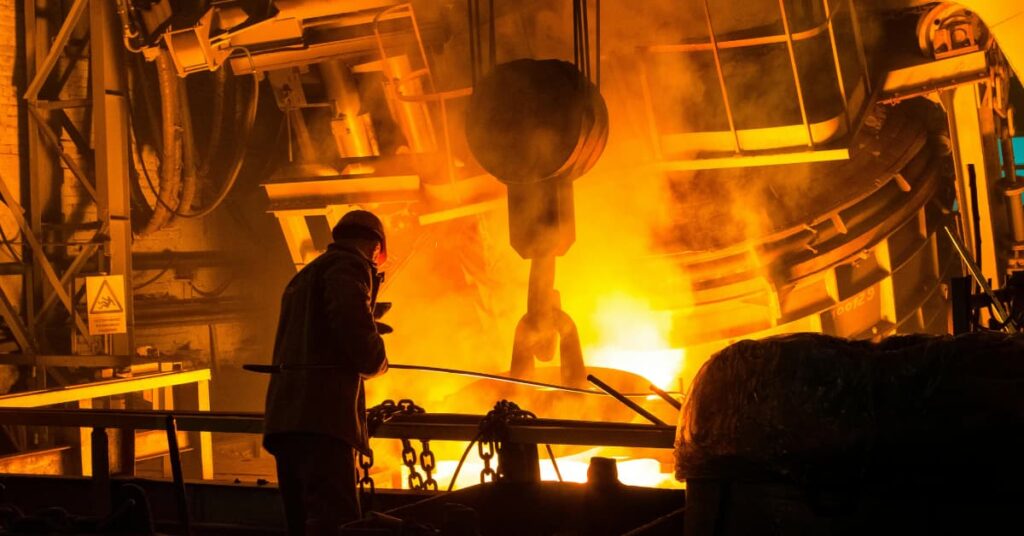
A heat treat furnace is an industrial system used to heat metals to a specific temperature and then cool them under controlled conditions.
In modern manufacturing, achieving the right balance of strength, durability, and performance in metal components is essential. This is where a heat treat furnace plays a crucial role. From automotive parts to heavy engineering components, heat treatment ensures that metals perform reliably under extreme conditions.
A well-designed heat treat furnace not only enhances material properties but also improves production efficiency and consistency. Companies like Trymaxfurnace, recognized as one of the best furnace manufacturers in India, are driving innovation in this field by offering advanced and energy-efficient furnace solutions.
What is a Heat Treat Furnace?
A heat treat furnace is an industrial system used to heat metals to a specific temperature and then cool them under controlled conditions. This process alters the physical and sometimes chemical properties of the material to achieve desired characteristics such as hardness, strength, and flexibility.
Unlike conventional heating systems, heat treat furnaces are engineered for precision. They maintain strict control over temperature, atmosphere, and time cycles, ensuring uniform results across all processed components.
Why Heat Treatment is Important
Heat treatment is a critical step in manufacturing because raw metals often lack the required mechanical properties for industrial use. A properly controlled heat treatment process provides several benefits:
- Improves hardness and wear resistance
- Enhances tensile strength
- Reduces internal stresses
- Increases durability and fatigue resistance
- Improves machinability
- Ensures dimensional stability
Without proper heat treatment, metal components may fail prematurely, leading to increased maintenance costs and safety risks.
How a Heat Treat Furnace Works
The operation of a heat treat furnace involves three main stages:
1. Controlled Heating
The metal is gradually heated to a specific temperature depending on the process type. Uniform heating is essential to avoid distortion or cracking.
2. Soaking Phase
The material is held at the target temperature for a defined period. This allows the internal structure of the metal to transform evenly.
3. Controlled Cooling
Cooling is done at a controlled rate using air, oil, water, or inside the furnace itself. The cooling method directly influences the final properties of the material.
Modern furnaces use automated control systems to manage these stages with high accuracy.
Types of Heat Treat Furnaces
Different industries require different furnace configurations. Some of the most widely used types include:
Batch Type Furnaces
Ideal for small-scale production and customized processes. Components are treated in batches, offering flexibility.
Continuous Furnaces
Used in mass production environments where materials move continuously through heating zones.
Bogie Hearth Furnaces
Designed for heavy and large components, where the load is placed on a movable platform.
Pit Furnaces
Suitable for vertical components like shafts and rods.
Vacuum Furnaces
Operate in a controlled vacuum environment to prevent oxidation and contamination.
Manufacturers like Trymaxfurnace design these systems based on specific industrial requirements, ensuring optimal performance and efficiency.
Common Heat Treatment Processes
Heat treat furnaces are used for various metallurgical processes, each serving a specific purpose:
Annealing
Softens metal and improves ductility, making it easier to machine.
Hardening
Increases surface hardness and wear resistance.
Tempering
Reduces brittleness after hardening while maintaining strength.
Normalizing
Improves grain structure and enhances mechanical properties.
Stress Relieving
Removes internal stresses caused by welding or machining.
Each of these processes requires precise temperature control, making furnace quality extremely important.
Applications of Heat Treat Furnaces
Heat treat furnaces are widely used across multiple industries:
- Automotive Industry – Engine components, gears, shafts
- Aerospace Industry – High-strength structural parts
- Tool Manufacturing – Cutting tools, dies, molds
- Oil & Gas Industry – Pipes, drilling equipment
- Heavy Engineering – Structural components and machinery
In each application, consistent furnace performance ensures product reliability and safety.
Key Features of Modern Heat Treat Furnaces
With advancements in industrial technology, heat treat furnaces now come equipped with features that enhance efficiency and performance:
- Advanced temperature control systems
- Uniform heat distribution
- Energy-efficient burners or electric heating systems
- High-quality insulation materials
- Automated loading and unloading systems
- Digital monitoring and data logging
These features help industries achieve better results while reducing operational costs.
Energy Efficiency and Cost Optimization
Energy consumption is one of the biggest concerns in industrial heating. Modern heat treat furnaces are designed to optimize fuel usage and reduce wastage.
Some key energy-saving features include:
- Heat recovery systems
- Efficient combustion technology
- Improved insulation
- Automated temperature regulation
By reducing energy consumption, industries can lower operational costs and minimize environmental impact.
Choosing the Right Heat Treat Furnace
Selecting the right furnace depends on several factors:
- Type of material being processed
- Production volume
- Required heat treatment process
- Fuel type (electric, gas, oil)
- Automation requirements
- Space availability
Working with an experienced manufacturer like Trymaxfurnace ensures that the furnace is designed to meet specific operational needs while maintaining efficiency and durability.
Maintenance and Safety Considerations
Regular maintenance is essential for ensuring long-term furnace performance. Important maintenance practices include:
- Inspecting refractory lining
- Calibrating temperature sensors
- Cleaning burners and heating elements
- Checking insulation and seals
Safety is equally important. Modern furnaces are equipped with emergency shut-off systems, alarms, and ventilation systems to ensure safe operation.
Future Trends in Heat Treat Furnace Technology
The future of heat treatment is driven by innovation and sustainability. Key trends include:
- Smart furnace systems with IoT integration
- Predictive maintenance using data analytics
- Automation and robotics
- Low-emission and energy-efficient designs
- Advanced control systems for precise processing
These advancements are helping industries improve productivity while reducing environmental impact.
Why Trymaxfurnace Stands Out
In a competitive industrial landscape, choosing the right furnace manufacturer is critical. Trymaxfurnace has established itself as one of the best furnace manufacturers in India by focusing on:
- High-quality engineering and design
- Customized furnace solutions
- Energy-efficient systems
- Reliable performance
- Strong after-sales support
Their expertise in heat treat furnace technology ensures that industries receive solutions tailored to their exact requirements.
Conclusion
A heat treat furnace is a vital component in modern manufacturing, enabling industries to enhance the performance and durability of metal components. From improving strength to ensuring product reliability, heat treatment plays an essential role in industrial success.
With advancements in technology, modern furnaces offer greater efficiency, precision, and sustainability. Partnering with an experienced manufacturer like Trymaxfurnace ensures access to high-performance furnace systems that meet the evolving demands of the industry.
Investing in the right heat treat furnace is not just about improving production—it’s about building long-term reliability, efficiency, and quality.