Hair Growth Oil: A Complete Guide to Healthier, Stronger, and Fuller Hair
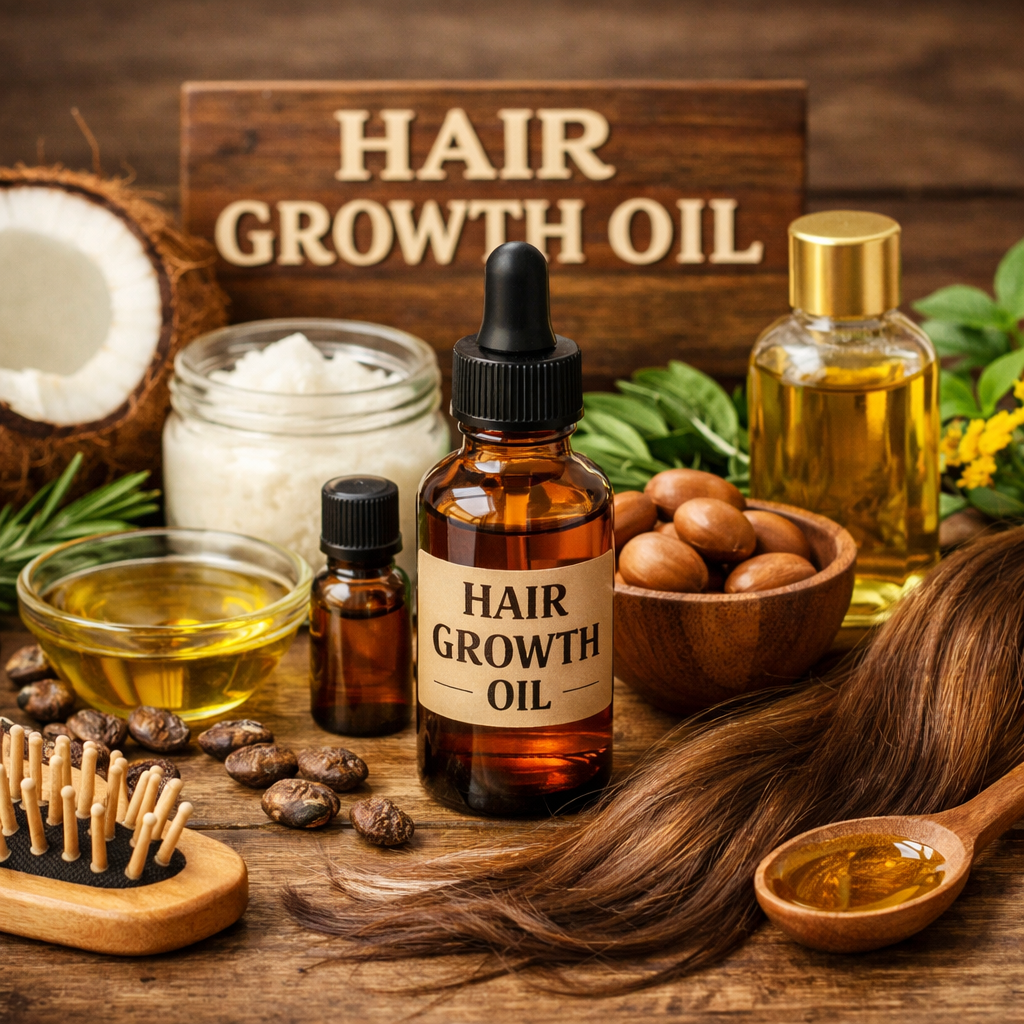
Healthy, shiny hair is often associated with confidence and vitality. Whether you’re dealing with thinning strands, breakage, or a dry scalp, natural solutions have gained immense popularity in recent years. One of the most talked-about remedies is hair growth oil—a nourishing blend of plant-based oils designed to support scalp health and encourage stronger hair over time.
In this comprehensive guide, we’ll explore how these oils work, the best ingredients to look for, how to use them effectively, and what results you can realistically expect.
Understanding Hair Growth and Scalp Health
Before diving into oils, it’s important to understand how hair actually grows.
Hair grows from follicles located beneath the scalp. Each follicle follows a natural cycle that includes:
-
Anagen phase (growth stage) – Hair actively grows.
-
Catagen phase (transition stage) – Growth slows down.
-
Telogen phase (resting stage) – Hair eventually sheds.
Many factors can interrupt this cycle, including:
-
Stress
-
Hormonal changes
-
Nutritional deficiencies
-
Harsh styling practices
-
Environmental damage
When the scalp is dry, inflamed, or clogged with product buildup, follicles may struggle to function at their best. That’s where nourishing oils can make a meaningful difference.
What Is Hair Growth Oil?
Hair growth oil is typically a blend of natural carrier oils and essential oils formulated to:
-
Improve blood circulation to the scalp
-
Strengthen hair strands
-
Reduce dryness and breakage
-
Support healthier follicle function
While no oil can magically regrow hair overnight, consistent use may create a healthier environment that encourages stronger, thicker-looking hair over time.
Key Ingredients That Make a Difference
Not all oils are created equal. The effectiveness of a product depends heavily on its ingredients. Here are some commonly used oils known for their benefits.
1. Castor Oil
Rich in ricinoleic acid, castor oil is known for:
-
Supporting scalp circulation
-
Reducing dryness
-
Locking in moisture
Its thick consistency makes it especially beneficial for dry or brittle hair types.
2. Coconut Oil
Coconut oil penetrates the hair shaft deeply and helps reduce protein loss. It is especially helpful for:
-
Damaged hair
-
Heat-treated strands
-
Split ends
3. Argan Oil
Often called “liquid gold,” argan oil is lightweight and rich in antioxidants. It:
-
Adds shine
-
Softens hair
-
Protects against environmental stressors
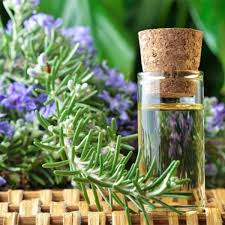
4. Rosemary Oil
Rosemary essential oil has gained attention for its potential role in stimulating follicles. It is commonly included in blends targeting thinning areas.
5. Jojoba Oil
Jojoba closely resembles the scalp’s natural sebum. It:
-
Balances oil production
-
Helps prevent clogged follicles
-
Soothes irritated scalp
When combined thoughtfully, these ingredients create a balanced formula that nourishes without weighing hair down.
Benefits of Using Hair Growth Oil
Consistent application offers more than just shine. Here are the broader benefits:
Improved Scalp Circulation
Massaging oil into the scalp increases blood flow. Better circulation means follicles receive more oxygen and nutrients.
Reduced Breakage
Oils strengthen the outer layer of the hair strand, reducing snapping and split ends.
Hydration and Moisture Retention
Dryness often leads to brittle strands. Oils seal in moisture and improve elasticity.
Healthier-Looking Thickness
While results vary, many people notice fuller-looking hair due to reduced shedding and improved strand strength.
How to Apply Hair Growth Oil Properly
Technique matters just as much as the product itself. Here’s a simple routine:
Step 1: Start with a Clean Scalp
Apply oil to dry or slightly damp hair. Make sure there is minimal product buildup.
Step 2: Section Your Hair
Divide hair into manageable sections for even application.
Step 3: Apply to the Scalp
Use fingertips or a dropper to apply directly to the roots.
Step 4: Massage Gently
Massage for 5–10 minutes using circular motions. This stimulates blood flow and ensures even distribution.
Step 5: Leave It On
You can leave the oil on for:
-
1–2 hours before washing
-
Overnight for deeper conditioning
Step 6: Wash Thoroughly
Use a gentle shampoo to remove excess oil without stripping moisture.
For best results, repeat 2–3 times per week.
Who Can Benefit Most?
Hair growth oil can be suitable for many hair types, including:
-
Curly and coily hair prone to dryness
-
Chemically treated hair
-
Heat-damaged hair
-
Individuals experiencing mild thinning
However, those with very oily scalps should use lighter oils and apply sparingly.
Common Myths About Hair Oils
Myth 1: Oils Instantly Grow Hair
No product can instantly regrow hair. Oils create healthier conditions that support natural growth cycles.
Myth 2: More Oil Means Faster Results
Using excessive amounts can clog follicles and cause buildup. Moderation is key.
Myth 3: Oils Replace Medical Treatment
If hair loss is caused by medical conditions or hormonal imbalances, professional consultation is essential.
Lifestyle Factors That Support Better Results
Oils work best when combined with healthy habits.
Balanced Nutrition
Hair needs nutrients like:
-
Protein
-
Iron
-
Zinc
-
Biotin
-
Omega-3 fatty acids
Stress Management
Chronic stress can push hair into the shedding phase. Practices like meditation, exercise, and quality sleep support overall hair health.
Gentle Hair Care
-
Avoid tight hairstyles
-
Limit heat styling
-
Use sulfate-free shampoos
-
Trim split ends regularly
How Long Before You See Results?
Patience is essential. Most people notice improvements in:
-
Texture and shine within 2–4 weeks
-
Reduced breakage after consistent use
-
Fuller-looking hair after 2–3 months
Hair growth is gradual, typically around half an inch per month. Consistency matters more than intensity.
DIY vs. Ready-Made Formulas
You can create your own blend at home using:
-
A carrier oil (like coconut or jojoba)
-
2–3 drops of essential oil
However, professionally formulated products often provide balanced ratios and tested combinations for safety and effectiveness.
Signs You’re Using the Wrong Oil
Stop use if you notice:
-
Persistent scalp irritation
-
Excessive greasiness
-
Increased shedding
-
Itchy or flaky buildup
Always patch test before full application.
The Emotional Side of Hair Care
Hair is deeply personal. It reflects culture, identity, and self-expression. Experiencing thinning or breakage can feel discouraging. Incorporating a nourishing oil routine is not just about appearance—it’s about self-care.
The act of massaging your scalp, taking time for yourself, and nurturing your body can reduce stress and build confidence. When approached with realistic expectations, hair care becomes a ritual rather than a quick fix.
Final Thoughts
Hair health is a journey, not a sprint. While no product guarantees dramatic overnight transformation, consistent use of a quality hair growth oil can support stronger strands, a healthier scalp, and improved overall hair appearance.
By choosing nourishing ingredients, applying them properly, and supporting your routine with balanced nutrition and gentle care, you create the best environment for your hair to thrive.
Results take time—but with patience, consistency, and mindful care, healthier, fuller-looking hair is absolutely within reach.