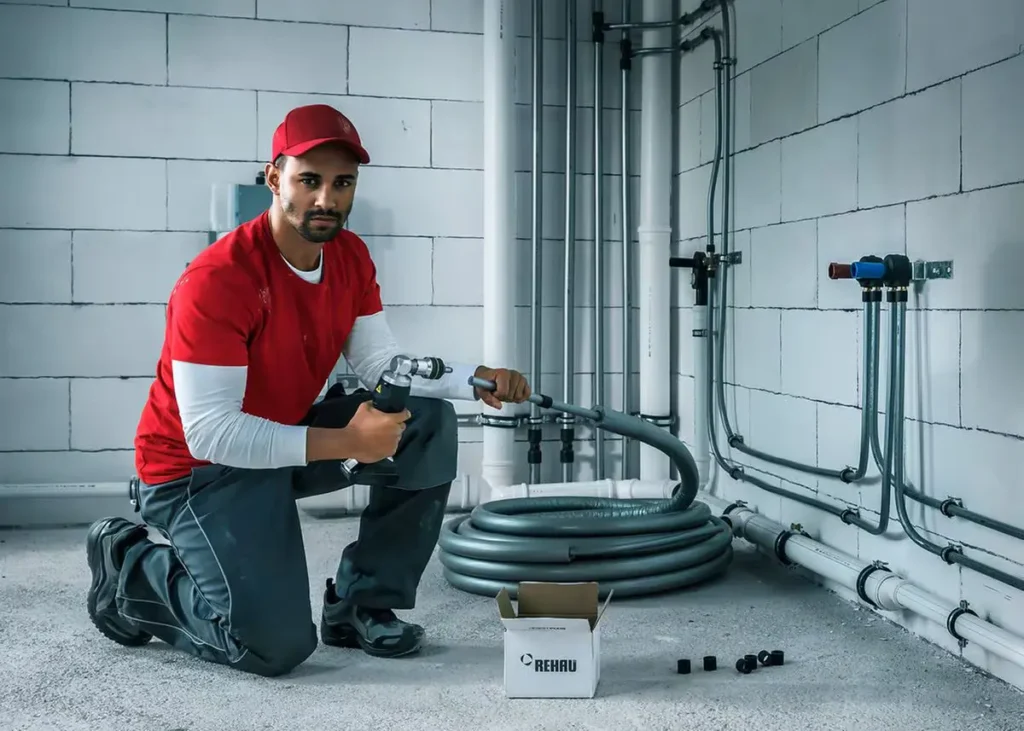
Plumbing projects, whether residential or commercial, require careful planning and budgeting. One of the most critical steps in the process is estimating. Accurate plumbing estimates ensure clients are satisfied, contractors are properly compensated, and projects stay on schedule. This guide will explain everything plumbers need to know about estimating, from the tools and methods used to best practices that improve accuracy and efficiency.
What is Plumbing Estimating?
Plumbing estimating is the process of predicting the total cost of a plumbing project before work begins. It involves calculating materials, labor, equipment, and overhead costs. A well-prepared estimate provides a clear picture of what the project will cost, helping homeowners and contractors make informed decisions.
An accurate estimate also minimizes disputes, ensures fair pricing, and can improve a plumbing business’s reputation by demonstrating professionalism and reliability.
Why Accurate Estimating Matters
Estimating is not just about providing a price. It’s about:
-
Client Trust: A transparent estimate builds confidence and prevents misunderstandings about costs.
-
Project Planning: Knowing costs in advance allows for better scheduling and resource allocation.
-
Profit Protection: Underestimating labor or materials can erode profits, while overestimating may scare away clients.
-
Competitive Advantage: Accurate estimates show professionalism and can differentiate a plumber from competitors who provide vague or inconsistent pricing.
Essential Tools for Plumbing Estimation
Successful plumbing estimates rely on the right tools. Some of the most important include:
1. Estimating Software
Modern plumbers often use specialized software to simplify the estimating process. Popular tools include:
-
QuickBooks: For tracking costs and generating invoices.
-
ServiceTitan: Helps with scheduling, estimating, and managing client data.
-
PlanSwift: Useful for material take-offs and precise project measurement.
These tools reduce human error, save time, and allow estimates to be updated quickly if project details change.
2. Take-Off Tools
Take-offs refer to measuring and quantifying the materials needed for a project. Plumbers use tools like:
-
Measuring tapes
-
Laser distance meters
-
Plumbing blueprint readers
Accurate take-offs ensure the right quantity of materials is accounted for, which is a crucial part of any estimate.
3. Spreadsheets
Even with software available, many plumbers rely on spreadsheets for smaller jobs. Programs like Microsoft Excel or Google Sheets allow for quick calculations, easy adjustments, and customization for unique projects.
4. Reference Material and Price Lists
Access to up-to-date price lists for materials, fixtures, and labor rates is essential. Plumbers often maintain a database of supplier prices and historical labor costs to ensure their estimates are competitive yet profitable.
Common Methods of Plumbing Estimation
Estimating methods vary depending on the type and complexity of the project. The most common approaches include:
1. Unit Pricing Method
This method involves assigning a cost to each unit of work, such as a meter of pipe or a plumbing fixture. The total estimate is calculated by multiplying the unit price by the quantity required.
Example:
-
Copper pipe: $10 per meter
-
Pipe required: 50 meters
-
Total cost: 50 × $10 = $500
Unit pricing is simple, scalable, and effective for projects with repetitive tasks.
2. Time and Material Method
This method estimates costs based on the time required to complete the work and the cost of materials. It’s ideal for smaller jobs or repairs where the scope may change.
Example:
-
Labor: $50/hour, 8 hours = $400
-
Materials: $150
-
Total estimate: $550
Time and material estimates are flexible but require clear documentation to avoid disputes.
3. Lump-Sum or Fixed-Price Method
In this method, the plumber provides a single price for the entire project. It’s commonly used in contracts for residential or commercial renovations.
Advantages:
-
Simplicity for clients
-
Predictable revenue for the contractor
Disadvantages:
-
Less flexibility if project scope changes
-
Requires highly accurate initial measurements and estimates
4. Square Footage or Area Method
For large-scale installations, such as commercial buildings, plumbers may estimate costs based on square footage or the area served. This method is typically used alongside unit pricing for pipes, fixtures, and labor.
Steps to Prepare an Accurate Plumbing Estimate
Creating a precise estimate requires a structured approach. Here’s a step-by-step guide:
Step 1: Review Project Plans
Study the blueprints or layout of the project thoroughly. Identify plumbing fixtures, pipe routes, and any special requirements. Any oversight at this stage can lead to cost overruns.
Step 2: Conduct a Site Inspection
Visiting the site allows the plumber to identify hidden challenges such as:
-
Existing plumbing condition
-
Accessibility issues
-
Potential code compliance requirements
Field observations improve accuracy and reduce surprises during execution.
Step 3: Quantify Materials
Calculate the quantity of pipes, fittings, valves, fixtures, and other materials required. Use take-off tools, software, or manual counting methods. Be sure to include extra materials for contingencies.
Step 4: Estimate Labor Costs
Labor is often the largest part of a plumbing project. Consider:
-
Hourly wage or team rates
-
Complexity of tasks
-
Time for installation, testing, and cleanup
Use historical data from similar projects to improve accuracy.
Step 5: Include Overhead and Profit
Overhead covers indirect costs such as:
-
Office rent
-
Utilities
-
Insurance
-
Vehicle expenses
Profit margin is added to ensure the business earns a sustainable return. Typically, overhead plus profit ranges between 10%–30% of the total project cost.
Step 6: Review and Adjust
Double-check all calculations and assumptions. Look for errors in quantities, pricing, or labor hours. Reviewing the estimate before submitting it to the client ensures professionalism and accuracy.
Best Practices for Plumbing Estimates
Accurate estimating is an art as well as a science. Here are some best practices that can help:
1. Keep Detailed Records
Maintain a database of previous estimates, material costs, and labor hours. This historical data allows you to benchmark new projects and refine your estimating accuracy over time.
2. Stay Updated on Material Prices
Material costs fluctuate frequently. Ensure your supplier lists are current to avoid underestimating costs.
3. Account for Contingencies
Include a small buffer for unexpected challenges. This protects your profit margin and ensures clients aren’t surprised by additional costs.
4. Communicate Clearly with Clients
Break down estimates to show:
-
Material costs
-
Labor costs
-
Overhead and profit
Transparency builds trust and reduces disputes.
5. Leverage Technology
Use software for estimating, project management, and take-offs. Technology reduces errors, speeds up calculations, and allows for professional-looking proposals.
6. Continuous Learning
Attend workshops, seminars, and certification programs on plumbing and estimating. Staying updated on industry standards and best practices ensures you remain competitive.
Common Mistakes to Avoid
Even experienced plumbers can make errors in estimating. Common pitfalls include:
-
Ignoring small materials: Nuts, bolts, sealants, and other minor items can add up.
-
Underestimating labor: Complex installations may take longer than anticipated.
-
Overlooking code requirements: Plumbing codes can dictate materials and installation methods.
-
Failing to update prices: Using outdated material costs can make an estimate inaccurate.
Avoiding these mistakes ensures reliable, professional estimates.
Conclusion
Estimating is a crucial skill for every plumber. Accurate estimates protect profits, build client trust, and streamline project execution. By using the right tools, applying proven methods, and following best practices, plumbers can create estimates that are precise, transparent, and professional.
Whether you’re preparing a small repair estimate or a large commercial project, the principles remain the same: measure carefully, calculate accurately, and communicate clearly. Mastering the art of estimating not only enhances your business reputation but also ensures sustainable growth and satisfied clients.