In the rapidly evolving landscape of technology, understanding PC parts is more important than ever. Whether you are a gamer, IT professional, or a casual computer user, knowing the different computer hardware components can dramatically improve your system’s performance. The right combination of IT hardware ensures a seamless computing experience and increases the longevity of your PC.
From motherboards to storage devices, and from CPUs to graphic cards, every component plays a crucial role in how efficiently your system operates. Not only do these PC & server components affect performance, but they also determine compatibility, upgrade potential, and overall system stability.
Understanding Core PC Parts
At the heart of any computer are its core PC parts. The processor (CPU) is often regarded as the brain of the computer. Modern CPUs handle billions of calculations per second and are essential for multitasking, gaming, and professional software applications. Complementing the CPU is the motherboard, which acts as the central hub connecting all other computer hardware components, including RAM, storage, and peripheral devices.
Random Access Memory (RAM) is another critical PC part that impacts speed and performance. Sufficient RAM allows your system to handle multiple applications simultaneously, ensuring a smooth user experience. Inadequate memory can lead to lag, crashes, and slower response times, making it essential to choose the right type and capacity for your specific needs.
Storage Solutions: SSDs and HDDs
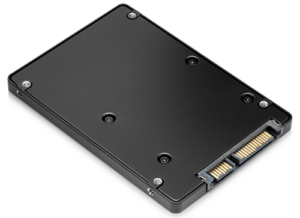
Choosing the right storage is vital when assembling or upgrading your PC. Solid-State Drives (SSDs) have revolutionized IT hardware, providing faster boot times, quicker data access, and enhanced durability compared to traditional Hard Disk Drives (HDDs). SSDs are ideal for users looking for speed, while HDDs remain a cost-effective solution for high-capacity storage. Many modern systems combine both SSDs and HDDs to balance speed and storage space effectively.
Additionally, server environments rely on specialized PC & server components like enterprise-grade storage arrays. These devices are optimized for continuous use, high-speed data retrieval, and redundancy, ensuring reliability in professional IT setups.
Graphics and Gaming: GPUs
For gamers and creative professionals, the Graphics Processing Unit (GPU) is a must-have PC part. The GPU handles rendering images, video playback, and complex graphics calculations, reducing the load on the CPU. Modern GPUs are not just for gaming; they are essential in tasks like video editing, 3D modeling, and artificial intelligence applications. Investing in a high-quality GPU significantly enhances the overall computer hardware performance.
Power and Cooling: PSU and Thermal Management
A robust Power Supply Unit (PSU) is a crucial PC part that ensures all components receive stable power. Choosing a PSU with sufficient wattage and high efficiency can prevent hardware failure and protect your investment. In addition to power, proper cooling is essential. Advanced cooling solutions like liquid cooling and high-performance fans help maintain optimal temperatures, allowing components to operate efficiently without overheating.
Connectivity and Expansion: Motherboards and Peripheral Components
Modern IT hardware relies heavily on connectivity and expansion options. The motherboard determines the types of peripheral devices, expansion cards, and storage options you can install. Features like USB ports, PCIe slots, and M.2 connectors enhance system versatility. Peripheral PC parts, including keyboards, mice, monitors, and external drives, complement the core system, providing a complete computing experience.
For businesses, server-grade motherboards and expansion cards enable additional storage, networking capabilities, and redundancy, making them vital PC & server components.
Networking and Communication
Networking components like Ethernet cards, Wi-Fi adapters, and routers are essential PC parts for connectivity. In today’s IT landscape, high-speed internet and stable network connections are critical for cloud computing, online collaboration, and remote work. Proper networking hardware ensures seamless communication and reduces downtime, which is especially important for professional IT environments.
Choosing the Right PC Parts
Selecting the right PC parts involves understanding your requirements, budget, and compatibility. Beginners may focus on pre-built systems that integrate all computer hardware, while advanced users prefer custom-built PCs tailored to specific needs. Professional IT setups often require enterprise-grade PC & server components, including redundant power supplies, high-performance CPUs, and server-class storage solutions.
Compatibility is key: ensuring your CPU matches your motherboard, RAM is supported, and storage interfaces align prevents bottlenecks and system failures. Additionally, future-proofing your setup by choosing components with upgrade potential can save costs and effort in the long term.
The Future of PC & Server Components
As technology evolves, IT hardware continues to advance. Emerging trends like NVMe storage, DDR5 RAM, and high-efficiency GPUs are redefining the performance benchmarks for modern computer hardware. Cloud computing, artificial intelligence, and virtualization are also driving innovation in server components, emphasizing the need for high-performance, reliable PC & server components.
Environmental sustainability is another important trend. Energy-efficient PSUs, low-power CPUs, and recyclable materials are becoming standard considerations in selecting PC parts, reflecting both consumer demand and industry responsibility.
Conclusion: Mastering PC Parts
Understanding PC parts is essential for anyone looking to build, upgrade, or maintain a computer system. From core components like the CPU and motherboard to specialized PC & server components, every piece of computer hardware contributes to overall performance, stability, and user experience.
By investing in high-quality IT hardware and choosing components that meet both current and future needs, users can create systems that are powerful, reliable, and efficient. Whether for gaming, professional work, or enterprise IT environments, mastering PC parts ensures your technology works seamlessly and supports your goals effectively.