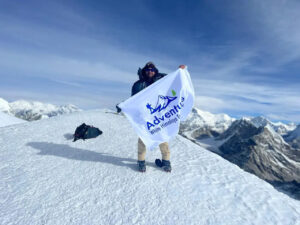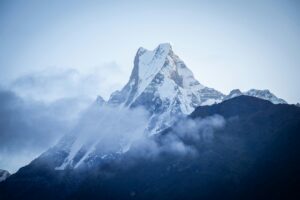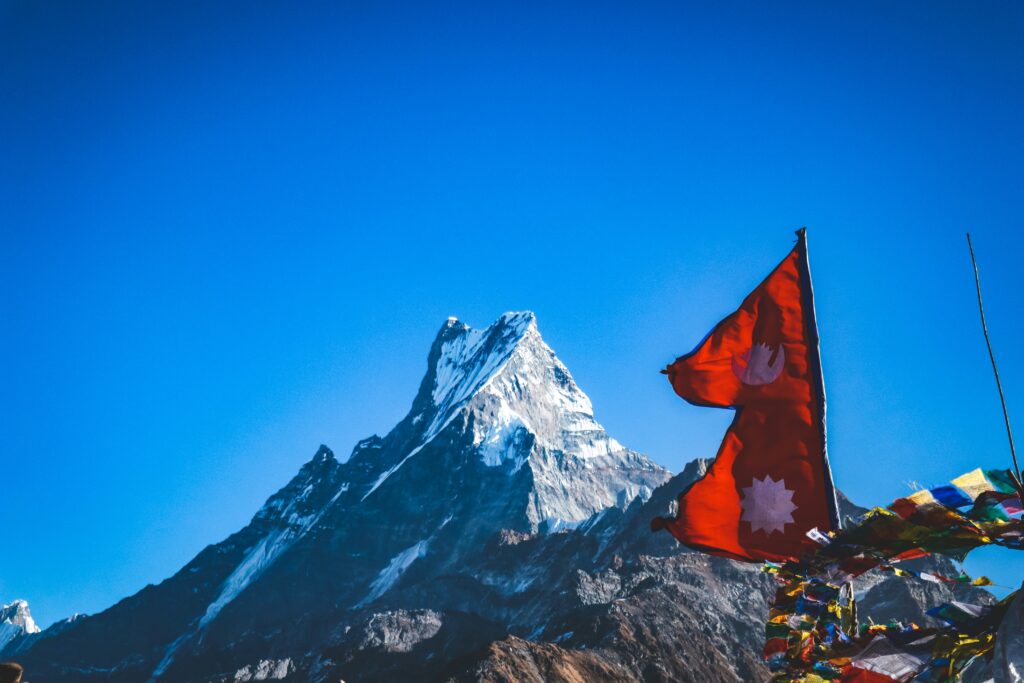
The first step feels small, but it changes everything. The air is fresh. Snow peaks shine in the distance. Prayer flags dance in the wind. This is the magic of trekking in Nepal. It is not just a walk in the mountains. It is a journey into nature, culture, and your own strength.
Nepal is a small country, but it holds eight of the world’s fourteen tallest mountains. People from all over the world come here to walk on ancient trails. Some want adventure. Some want peace. Others want to test their limits. No matter the reason, the Himalayas welcome them all.
Why Nepal Is a Trekker’s Dream
Nepal is home to the mighty Mount Everest, the tallest mountain on Earth at 8,848.86 meters. But trekking here is not only about Everest. There are many hidden valleys, quiet forests, and high mountain passes waiting to be explored.
The country offers trails for everyone. You can choose an easy walk through green hills or a tough climb to high altitude. Along the way, you pass small villages made of stone. You see yaks grazing in wide fields. You hear rivers rushing through deep gorges. Every day feels new and exciting.
Nepal also has rich culture. Many trekking routes pass through Buddhist and Hindu villages. You may visit old monasteries. You may spin prayer wheels. You may taste local food like dal bhat. Trekking here is both a physical and cultural journey.
Famous Trails and Hidden Gems
One of the most popular routes is the Everest Base Camp trek. This trail takes you close to Mount Everest. You walk through the Khumbu region and meet the friendly Sherpa people. The views are bold and powerful.
Another well-known trek is the Annapurna Circuit. This route circles the Annapurna range. It crosses the high Thorong La Pass. The landscape changes each day, from green forests to dry mountain deserts.
If you want something quieter, try the Langtang Valley trek. It is close to Kathmandu but feels far away from city life. The valley is peaceful and less crowded. Snow peaks rise above you. Wildflowers bloom in spring.
For a short but stunning adventure, the Mardi Himal trek is a great choice. It offers amazing mountain views without heavy crowds. The trail feels like a secret path in the forest.
Trek Statistics You Should Know
Most popular treks in Nepal last between 7 to 14 days. Some longer routes, like the full Annapurna Circuit, can take up to 18–21 days. Short treks near Pokhara may take only 4–6 days.
The average total walking distance for a classic Himalayan trek ranges from 80 to 160 kilometers (50 to 100 miles), depending on the route. Trekkers usually walk 5 to 7 hours per day.
The maximum elevation also varies. For example:
-
Everest Base Camp reaches 5,364 meters.
-
Thorong La Pass on the Annapurna Circuit reaches 5,416 meters.
-
Many shorter treks stay below 4,000 meters.
At higher altitudes, the air gets thinner. That is why proper acclimatization days are very important.
What Makes the Journey Special
The beauty of trekking in Nepal is not only the mountains. It is the simple life you see along the way. Children wave as you pass their village. Farmers work in terraced fields. Monks chant inside quiet monasteries.
You sleep in small teahouses. The rooms are simple but warm. At night, trekkers sit around the dining hall stove. They share stories from their home countries. Strangers become friends.
Sunrise in the Himalayas is unforgettable. The peaks turn golden. The sky glows pink and orange. In that moment, you feel small but strong. You feel tired but proud.
Is Trekking in Nepal Difficult?
Trekking in Nepal can be challenging, but it is possible for many people with basic fitness. You do not need to be a professional athlete. You only need steady steps and a positive mind.
The trails go up and down. Some days are long. The weather can change quickly. But with good preparation, most healthy people can complete popular treks.
Hiring a local guide is very helpful. Guides know the trail, culture, and safety rules. They also share stories about the mountains. Porters can carry heavy bags, making the walk easier for you.
Best Time to Go
The best seasons for trekking are spring (March to May) and autumn (September to November). During these months, the sky is clear. The views are sharp and bright. The temperature is comfortable for walking.
Winter trekking is possible but colder at high altitude. Summer is the monsoon season. Trails can be wet and slippery. Still, some regions like Upper Mustang are good even in summer because they lie in a rain shadow area.
How to Prepare for Your Trek
Preparation is simple but important. Start walking or hiking at home a few weeks before your trip. Build your stamina slowly. Practice walking uphill if possible.
Pack light but smart. Bring strong hiking boots, warm clothes, and a waterproof jacket. Always carry water and sunscreen. The sun is strong at high altitude.
Travel insurance is also very important. Make sure it covers high-altitude trekking. Safety should always come first.
The Hidden Wonders Await
Many people come to Nepal for the mountains. But they leave with something deeper. Trekking teaches patience. It teaches teamwork. It teaches respect for nature.
You learn to enjoy simple things. A hot cup of tea tastes better after a long climb. A warm smile from a local villager feels priceless.
The hidden wonders of the Himalayas are not just in the peaks. They are in the people. They are in the quiet forests. They are in the sound of wind through prayer flags.
When you finish your trek, your legs may be tired. But your heart feels full. You carry memories of snow peaks, starry nights, and peaceful trails.
That is the true power of trekking in Nepal. It changes you in small, strong ways. And long after you return home, a part of you still walks those epic Himalayan trails.