Disadvantages of Dental Crowns
Dental crowns are widely used in restorative dentistry to protect damaged teeth, improve aesthetics, and restore functionality. While crowns can provide significant benefits, it is equally important to understand the Disadvantages of Dental Crowns before undergoing the procedure. Being informed can help patients make the best decision for their oral health.
What Are Dental Crowns?
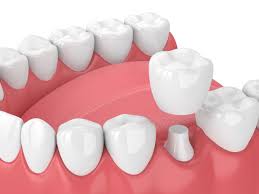
A dental crown is a cap that is placed over a tooth to restore its shape, size, strength, and appearance. Crowns can be made from various materials, including porcelain, ceramic, metal alloys, and composite resins. They are commonly used for teeth that are broken, weakened by decay, or after a root canal treatment.
Although dental crowns are effective, they are not without their drawbacks. Understanding these Disadvantages of Dental Crowns can help patients weigh the benefits against potential risks.
High Cost of Dental Crowns
One of the primary Disadvantages of Dental Crowns is their cost. Unlike simpler dental procedures such as fillings, crowns are more complex and require custom fabrication. The price can vary depending on the material used, the complexity of the procedure, and the location of the dental clinic.
For patients without dental insurance, the cost of a single crown can be significant. This financial consideration may influence a patient’s decision and sometimes leads to delaying treatment, which can exacerbate oral health issues over time.
Potential Tooth Sensitivity
After a crown is placed, some patients experience increased tooth sensitivity, particularly to hot or cold foods and beverages. This occurs because the crown procedure often involves removing part of the tooth enamel, which can expose underlying dentin.
The sensitivity is usually temporary, but in some cases, it can persist and require additional treatment. This is a key factor to consider when evaluating the Disadvantages of Dental Crowns.
Risk of Infection or Decay Under the Crown
Even though crowns cover and protect a tooth, they are not immune to dental problems. Poor oral hygiene or improper crown placement can lead to tooth decay or infection beneath the crown.
At Broadway Family Dentistry, dentists emphasize the importance of maintaining excellent oral hygiene and regular dental check-ups to prevent such complications. Despite these precautions, the risk of decay under a crown remains one of the notable Disadvantages of Dental Crowns that patients should be aware of.
Possibility of Crown Loosening or Falling Off
Another common issue is the potential for a dental crown to loosen or even fall off. This can happen due to weakened dental cement, an improperly fitted crown, or trauma to the tooth.
If a crown falls off, it leaves the underlying tooth exposed and vulnerable to damage or decay. Immediate dental attention is required to replace or reattach the crown, adding inconvenience and potential additional costs.
Allergic Reactions to Crown Materials
Although rare, some patients may experience allergic reactions to certain crown materials, especially metals such as nickel or chromium. Symptoms may include irritation, swelling, or discomfort in the surrounding gum tissue.
This risk can be mitigated by discussing material options with your dentist and opting for hypoallergenic alternatives if needed. However, the potential for allergic reactions remains a notable concern when considering the Disadvantages of Dental Crowns.
Aesthetic Concerns
While dental crowns are designed to blend in with natural teeth, aesthetic issues can arise. Porcelain crowns may chip or discolor over time, and metal crowns can sometimes be visible, especially in the back molars or when smiling.
These aesthetic considerations may affect patient satisfaction and confidence, particularly for crowns placed in highly visible areas of the mouth. Patients should discuss these possibilities with their dentist to select the most suitable crown material and design.
Long-Term Durability Issues
Although dental crowns are designed to last for many years, they are not permanent. Over time, crowns may wear down, crack, or require replacement.
The longevity of a crown depends on factors such as oral hygiene, diet, and the material used. Understanding this limitation is crucial when evaluating the Disadvantages of Dental Crowns, as patients may face future procedures to maintain optimal dental health.
Post-Procedure Discomfort and Adjustment
Finally, some patients may experience discomfort or an uneven bite after receiving a crown. This may include soreness, difficulty chewing, or pressure on surrounding teeth.
In many cases, minor adjustments can be made by the dentist to correct the bite. However, the need for these adjustments can add additional appointments and inconvenience, which should be considered as part of the Disadvantages of Dental Crowns.
Conclusion
Dental crowns are an effective solution for restoring damaged teeth, but they come with several risks and concerns. From cost and tooth sensitivity to aesthetic and durability issues, understanding the Disadvantages of Dental Crowns is essential for making informed decisions.
Working with experienced dental professionals, such as Broadway Family Dentistry, can help mitigate some of these risks, ensuring that patients achieve both functional and cosmetic success with their dental crowns. Being aware of potential complications allows patients to prepare for the long-term care and maintenance that crowns require.