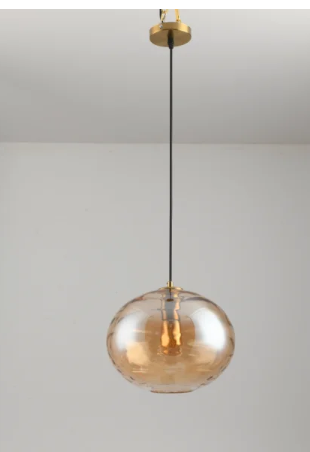
contemporary staircase chandelier
A contemporary staircase chandelier is more than just a light fixture. It is a design statement that can transform the look and feel of a home. When installed properly, it becomes a stunning centerpiece that highlights the staircase and adds elegance to the surrounding space. However, incorrect installation can lead to visual imbalance, functional issues, and even safety risks. Understanding the common mistakes to avoid ensures that your chandelier enhances the room rather than becoming a design problem.
This article explains clearly and in detail what homeowners and designers should watch out for when installing a contemporary staircase chandelier, making the process safe, stylish, and effective.
Choosing the Wrong Size
One of the most frequent mistakes is selecting a chandelier that does not match the size of the staircase or the height of the ceiling. A chandelier that is too small can look insignificant and fail to create the desired impact. On the other hand, a chandelier that is too large may overwhelm the space and feel heavy.
To avoid this, measure the width of the staircase and the height from the floor to the ceiling before selecting a fixture. The chandelier should fill the vertical space without interfering with movement on the staircase. A well-proportioned contemporary staircase chandelier balances the architectural features and becomes a visual focal point.
Hanging at the Incorrect Height
Another common error is hanging the chandelier at the wrong height. If it hangs too low, it can obstruct movement on the stairs and become a safety hazard. If it is too high, it may lose its visual effect and fail to provide proper illumination.
A contemporary staircase chandelier should generally be centered within the staircase opening and hung at a height that allows people to walk comfortably underneath. Proper height ensures the chandelier serves both aesthetic and practical purposes, highlighting the staircase while illuminating the area efficiently.
Ignoring the Staircase Layout
The design and layout of the staircase play a crucial role in chandelier placement. Mistakes often occur when homeowners install a fixture without considering the angles, turns, or landing areas of the staircase. A chandelier that looks perfect in a straight staircase may appear awkward in a curved or spiral design.
Before installation, study the staircase layout carefully. The chandelier should align with the flow of the stairs and complement the architectural style. Correct placement creates harmony and enhances the elegance of the entire staircase.
Choosing the Wrong Style
Selecting a style that does not match the staircase or the surrounding décor is another common mistake. A contemporary staircase chandelier should reflect the modern design of the home while complementing materials like metal, wood, or glass used in the staircase.
Choosing a fixture that is too traditional or ornate may clash with a modern interior, while an overly minimal design might feel underwhelming in a large, open space. The right style ensures that the chandelier enhances the overall design theme instead of conflicting with it.
Poor Lighting Considerations
Lighting is the primary function of a chandelier, but many homeowners focus only on appearance and neglect illumination needs. A contemporary staircase chandelier should provide sufficient light for safe movement while creating ambiance.
Mistakes include selecting bulbs that are too dim or too bright, or failing to consider layered lighting. It is essential to evaluate how the chandelier interacts with natural light and other fixtures in the area. Proper lighting makes the staircase both functional and visually appealing.
Inadequate Support and Installation
A chandelier is often heavy, and the staircase area may require extra structural support. A common error is installing a contemporary staircase chandelier without reinforcing the ceiling or using appropriate mounting hardware.
This can lead to safety hazards, including the risk of the fixture falling. It is important to ensure the ceiling can support the weight and that the installation is performed by a professional if necessary. Correct support guarantees both safety and long-term durability.
Overlooking Maintenance and Accessibility
Maintenance is another factor that is often overlooked. Chandeliers in staircases can be difficult to reach for cleaning or changing bulbs. A common mistake is installing a fixture that is too high or complex to access.
When choosing a contemporary staircase chandelier, consider accessibility. Fixtures that are easier to clean and maintain save time and prevent damage over the years. This ensures the chandelier continues to look beautiful and function effectively.
Failing to Coordinate with Other Elements
A staircase is part of a larger home design. A mistake often made is installing a chandelier without considering how it interacts with walls, railings, flooring, and surrounding décor. The chandelier should complement the space rather than dominate it or clash with other design elements.
Coordinating colors, finishes, and shapes ensures that the contemporary staircase chandelier enhances the visual flow of the home. A well-integrated fixture brings cohesion and elegance to the space.
Neglecting Energy Efficiency
Some homeowners select a chandelier without considering energy consumption. Using bulbs that consume too much energy or do not last long can result in higher costs over time. Contemporary staircase chandeliers can be designed with energy-efficient LED bulbs that provide long-lasting light without sacrificing style.
Selecting the right bulbs ensures sustainability and reduces the need for frequent maintenance while keeping the staircase well-lit.
Final Thoughts
Installing a contemporary staircase chandelier is an opportunity to elevate the design of your home and highlight the beauty of your staircase. Avoiding common mistakes such as choosing the wrong size, hanging at an incorrect height, ignoring staircase layout, selecting the wrong style, overlooking lighting needs, or failing to provide proper support ensures a successful installation.