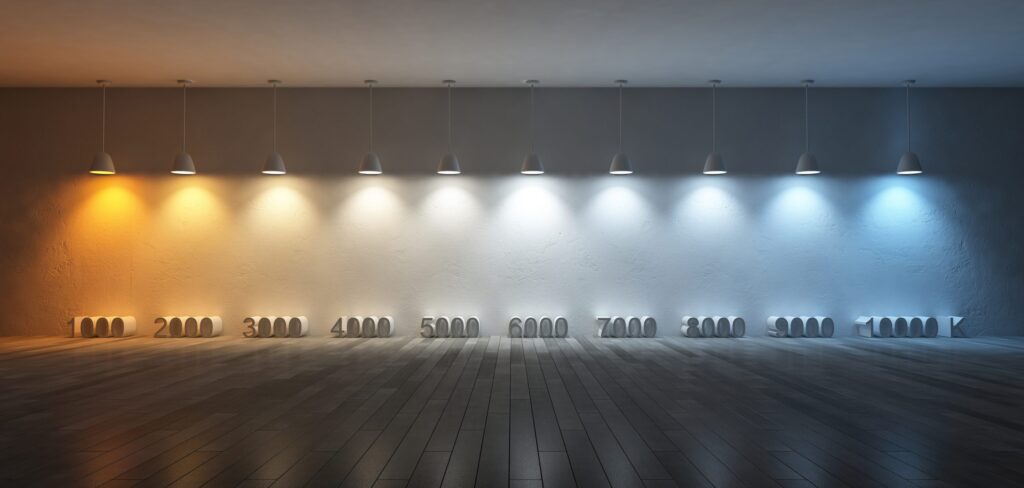
circadian lighting
Well-designed lighting systems that support human health and productivity are becoming increasingly common across the United States. However, when these systems are poorly planned or improperly executed, they may fail to deliver their intended benefits. Understanding common implementation mistakes can help organizations and homeowners avoid performance issues, discomfort, and unnecessary costs.
Some Common Mistakes to Avoid
Implementing this type of lighting system requires careful planning, coordination, and a solid understanding of how light affects human behavior and comfort. While the technology itself is proven, improper design decisions or rushed installations often lead to underperformance. Elements such as light timing, intensity, color temperature, and automated control must work together to support daily biological rhythms.
Additionally, factors like building layout, occupant schedules, and access to natural daylight play a critical role in system success. When these variables are ignored, circadian lighting may cause discomfort, energy inefficiencies, or inconsistent performance. Many common issues arise not from the technology but from overlooking key design and operational details.
Ignoring Circadian Rhythm Science
One of the most common mistakes is overlooking the biological principles behind human sleep–wake cycles. Lighting that does not align with natural rhythms, such as using cool, bright light late in the evening, can disrupt sleep patterns and reduce overall well-being rather than support it.
Using Static Instead of Dynamic Lighting
Systems that remain at the same brightness and color temperature throughout the day fail to replicate natural daylight patterns. Dynamic adjustments are essential for supporting alertness during the day and relaxation in the evening. Static lighting reduces the overall system’s effectiveness.
Applying a One-Size-Fits-All Approach
Different spaces serve different functions and require tailored lighting strategies. Offices, healthcare settings, classrooms, and residential areas all have unique needs. Applying the same lighting profile everywhere can lead to discomfort, glare, or insufficient illumination.
Incorrect Light Levels and Fixture Placement
Improper light intensity can reduce effectiveness and cause visual discomfort. Inadequate brightness during the day may not provide sufficient stimulation, while excessive lighting can strain the eyes. Poor fixture placement may prevent light from reaching eye level, where it has the most significant biological impact.
Failing to Integrate Natural Daylight
Ignoring available daylight is another frequent mistake. Artificial lighting should complement natural light rather than compete with it. Without proper integration, spaces may be over-lit, and energy efficiency may suffer.
Lack of User Education and Training
Even the best-designed system can underperform if users do not understand how it works. Without proper training, automated settings may be overridden or disabled, disrupting intended lighting patterns and reducing long-term benefits.
Conclusion
Avoiding these common mistakes is essential for creating lighting environments that truly support health, comfort, and productivity. With thoughtful planning, dynamic controls, proper placement, and user education, circadian lighting systems can deliver lasting value. When implemented correctly, they provide a balanced lighting environment that enhances daily performance while supporting long-term well-being.