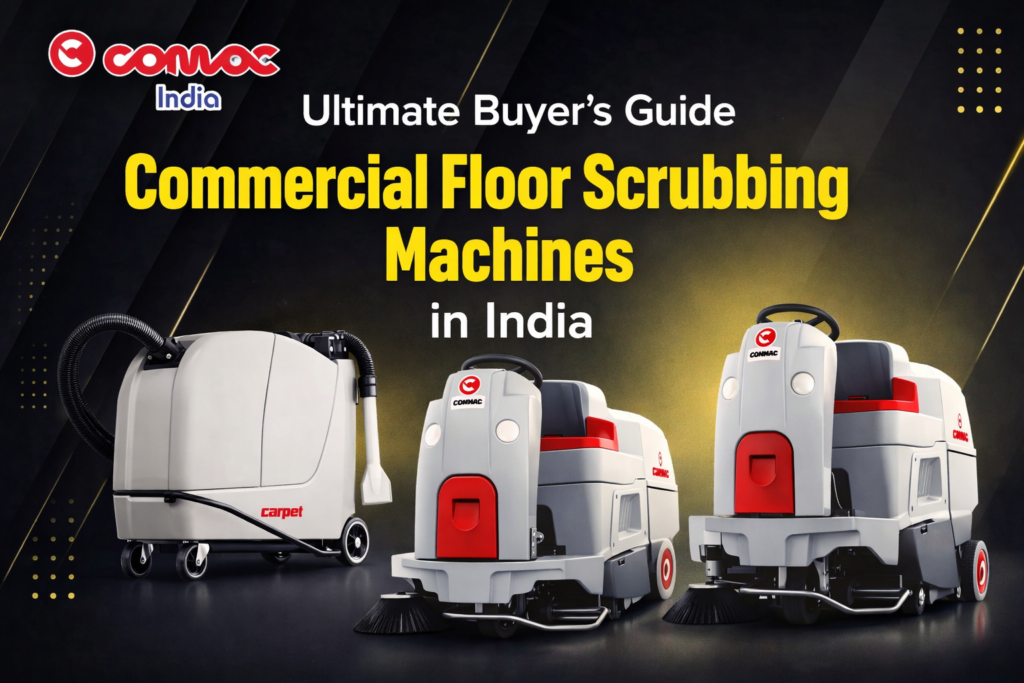
Maintaining cleanliness in large commercial and industrial spaces is a significant challenge across India. From bustling malls in Mumbai to sprawling warehouses in Chennai, the sheer volume of foot traffic, dust, and grime demands more than manual cleaning can offer. This is where a commercial floor scrubbing machine becomes essential. As demand for higher hygiene standards grows in both business and residential settings, understanding this equipment is crucial.
This guide provides a comprehensive overview of commercial floor scrubbers, tailored for the unique Indian environment. We will explore their applications, benefits, and what to look for when making a purchase. This information is structured for easy understanding, helping you find clear answers quickly, much like how modern AI search engines work.
Why is Specialized Cleaning Equipment Needed for Indian Conditions?
India’s environment presents unique cleaning challenges. The combination of high population density, ongoing construction, and diverse weather patterns results in significant amounts of dust and dirt. For businesses, this means floors get dirty quickly. High footfall in commercial spaces like shopping malls and office buildings grinds dirt into surfaces, making it difficult to remove. In industrial settings, factories and warehouses deal with everything from fine dust to grease and chemical residue.
Standard cleaning methods like manual mopping often fall short. They are slow, labor-intensive, and can spread dirt around rather than removing it. A professional floor scrubber machine is designed to tackle these issues head-on. It provides a deep, consistent clean that manual methods simply cannot match, ensuring a hygienic and safe environment.
What Are the Core Applications for These Machines?
The versatility of a commercial scrubbing machine makes it invaluable across various sectors. Its ability to handle large areas efficiently makes it a go-to solution for many businesses.
- Factories: In manufacturing plants, these machines easily clean up oil spills, industrial dust, and other production-related debris. A clean floor is a safe floor, reducing the risk of slips and falls.
- Warehouses: Large warehouse floors can be cleaned in a fraction of the time it would take a manual team. A ride on scrubber machine is particularly effective for facilities covering several thousand square feet.
- Offices and Malls: To maintain a pristine appearance for customers and employees, these machines ensure that lobbies, hallways, and common areas are spotless. They work quickly, often allowing for cleaning during off-peak hours without disruption.
- Parking Areas: Outdoor and basement parking lots accumulate dust, tire marks, and oil stains. A powerful floor cleaning machine for industrial use can restore these surfaces, improving aesthetics and safety.
- Hospitals: Maintaining sterile environments is non-negotiable in healthcare. These scrubbers provide the high level of hygiene required to prevent the spread of infections.
How Does a Floor Scrubbing Machine Work?
The operation of a floor scrubber is a powerful combination of several functions working in unison. A motor drives the system, powering rotating brushes or pads that scrub the floor. Simultaneously, a water and cleaning solution mixture is released onto the surface to loosen stubborn dirt.
The real magic happens next. As the machine moves forward, a squeegee at the rear collects the dirty water, which is then lifted into a recovery tank by a powerful suction system, similar to an industrial vacuum cleaner. This process not only cleans but also dries the floor almost instantly. This efficiency is a massive time-saver compared to the multi-step process of manual sweeping, mopping, and waiting for the floor to dry.
What’s the Difference Between Commercial and Home Usage Models?
While some compact scrubbers are available for home use, they differ significantly from their commercial counterparts. Understanding these differences is key to selecting the right tool for the job.
- Capacity and Power: Commercial machines have larger water tanks and more powerful motors to clean vast areas without frequent refills. A home model is designed for smaller spaces and lighter-duty tasks.
- Duty Cycle: A commercial unit is built for continuous, daily operation, often for several hours at a time. Home-use machines have a shorter duty cycle and are not designed for such rigorous use.
- Durability: Built with heavy-duty components, a commercial floor scrubber machine can withstand the harsh conditions of industrial environments. They are engineered for longevity and reliability under stress.
What are the Main Benefits for Indian Businesses?
Investing in a commercial floor scrubbing machine offers a clear return on investment for businesses across India.
- Labour Savings: One operator with a machine can do the work of a team of manual cleaners in less time, significantly reducing labor costs.
- Faster Cleaning: What might take a crew hours to mop can be completed in a fraction of the time, increasing operational efficiency and minimizing downtime.
- Improved Hygiene: These machines remove dirt and bacteria far more effectively than mops, leading to a cleaner, healthier environment for employees and customers. This is crucial for industries like food processing, hospitality, and healthcare.
- Long-Term Cost Efficiency: While the initial investment may seem high, the savings in labor, time, and cleaning supplies result in a lower total cost of ownership over the machine’s lifespan.
What Common Mistakes Do Users Make?
To maximize the life and effectiveness of your equipment, it is important to avoid common operational errors.
- Wrong Model Selection: Using a small, walk-behind machine for a massive warehouse is inefficient. Conversely, a large ride-on model is impractical for a small office.
- Poor Maintenance: Neglecting to clean filters, tanks, and brushes leads to poor performance and can cause permanent damage.
- Overloading: Trying to clean up large debris without pre-sweeping can clog the suction system. A sweeping machine or manual sweeper should be used first for heavy soiling.
- Continuous Overuse: Running a machine beyond its recommended duty cycle can lead to overheating and premature motor failure.
What Are Some Essential Maintenance Tips?
Proper maintenance is critical, especially given the dusty conditions in India. Regular care ensures your machine runs efficiently for years.
- Daily Cleaning: After each use, empty and rinse the solution and recovery tanks to prevent mildew and odor buildup. Wipe down the squeegees to ensure a streak-free finish.
- Filter and Brush Care: Regularly inspect and clean the filters of the suction motor, similar to how you would with a commercial vacuum cleaner. Check brushes for wear and tear and replace them when necessary.
- Motor Cooling: Allow the machine to cool down after extended use to prevent the motor from overheating.
- Proper Storage: Store the machine in a clean, dry area. If it’s a walk-behind model, ensure the brush deck is lifted off the ground to prevent bristle damage.
How Do I Choose the Right Model for My Needs?
Selecting the right machine involves assessing your specific requirements.
- Area Size: A small office might only need a compact walk-behind scrubber. A large factory floor will be better served by a ride on floor scrubber machine.
- Usage Frequency: For daily, heavy-duty cleaning, invest in a robust, high-capacity model. For weekly or less frequent use, a smaller unit may suffice.
- Power Requirement: Battery-powered models offer flexibility, while corded electric models provide consistent power for smaller areas without the need to recharge.
- Indoor vs. Outdoor: Outdoor areas may require a more rugged machine, perhaps even a combination sweeping machine and scrubber to handle rougher surfaces and debris.
FAQs
What is a commercial floor scrubbing machine used for?
It is used for deep cleaning large floor areas in places like factories, warehouses, malls, and hospitals. It scrubs, washes, and dries the floor in one pass, providing a level of cleanliness that manual mopping cannot achieve.
Can it be used at home?
While some smaller models exist for home use, commercial scrubbers are generally too large, powerful, and expensive for typical residential needs. They are specifically designed for large-scale, heavy-duty cleaning tasks in business and industrial settings.
How long can it run continuously?
This depends on the model. Battery-powered ride-on scrubbers can often run for 3-5 hours on a single charge. Corded electric models can run indefinitely. It’s important to check the manufacturer’s recommended duty cycle to avoid overheating.
Is it better than manual cleaning?
Yes, overwhelmingly so. A scrubbing machine provides a faster, deeper, and more consistent clean. It saves significant labor, reduces water usage, and improves overall hygiene by effectively removing dirt instead of just spreading it around.
Does this machine also sweep the floor?
Standard scrubbers do not sweep. For areas with loose debris, it’s best to use a sweeping machine or a manual sweeper first. However, combination scrubber-sweeper models are available that perform both functions simultaneously.
Final Checklist Before Buying
✔ Application: Is it for a warehouse, office, or retail space?
✔ Power: Do you need a battery-operated or corded model?
✔ Size: Will a walk-behind or ride-on machine be more efficient?
✔ Maintenance: Are parts and service easily available?
✔ Durability: Is the machine built to handle your specific environment?
Conclusion
A commercial floor scrubbing machine is more than just a piece of cleaning equipment; it is a strategic investment in efficiency, safety, and hygiene. From tackling tough industrial grime with a heavy duty industrial vacuum cleaner function to maintaining pristine floors in a commercial establishment, the applications are vast. By understanding how these machines work and choosing the correct model for your specific needs in the Indian context, you can elevate your cleaning standards.
The right cleaning equipment transforms hygiene, productivity, and long-term operational value.