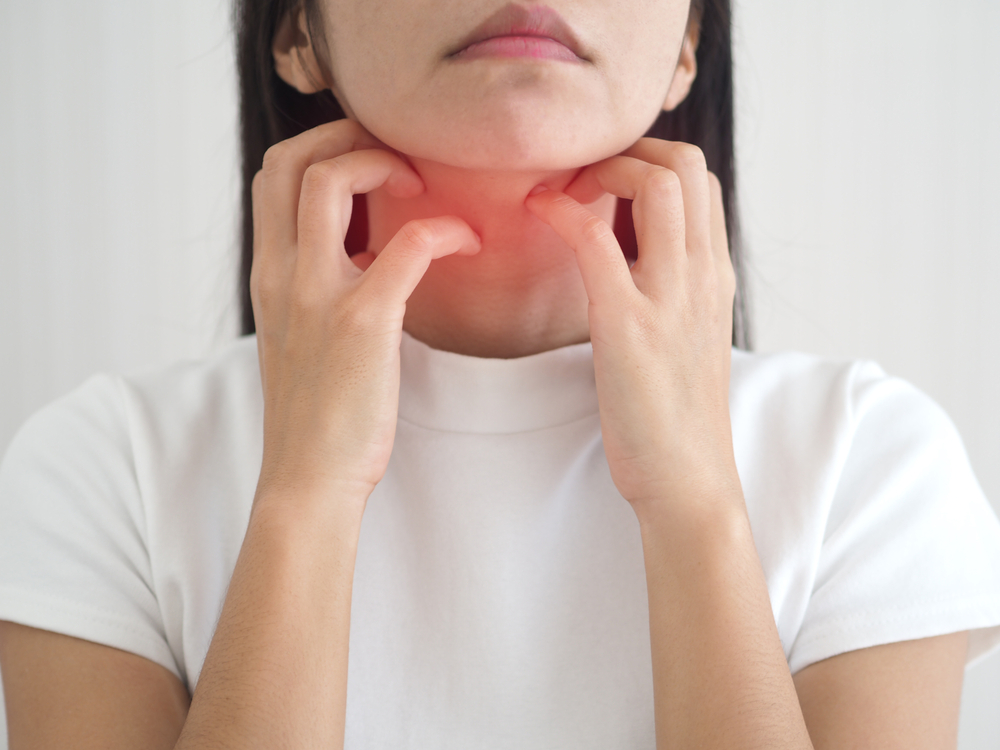
women with chronic skin itching
Persistent itching can be more than just an annoyance—it can interfere with sleep, work, and overall quality of life. Many people reach for over-the-counter creams and moisturizers, hoping for quick relief, but chronic itching often requires a deeper understanding of underlying causes and targeted treatments. Differentiating conditions such as psoriasis and eczema is critical in selecting effective therapies, which is why a psoriasis vs eczema guide can be an essential first step. This blog explores the causes of chronic skin itching, why over-the-counter solutions may not always work, and strategies to find lasting relief.
Understanding Chronic Skin Itching
Chronic skin itching, also known as pruritus, persists for weeks or months and may signal an underlying dermatologic or systemic condition. Unlike occasional itching caused by dryness or insect bites, chronic itching often requires a more comprehensive approach to treatment.
Common Features
- Persistent or recurring itch lasting more than six weeks
- Redness, bumps, or thickened skin in affected areas
- Scratching that worsens symptoms, creating a cycle of irritation
- Disruption of sleep and daily activities
Identifying the root cause of itching is essential to breaking the itch-scratch cycle and achieving relief.
Differentiating Skin Conditions: Psoriasis vs Eczema
Psoriasis and eczema are among the most common causes of chronic itching, yet they have distinct features and treatment approaches.
Eczema (Atopic Dermatitis)
Eczema is a chronic inflammatory condition characterized by dry, itchy, and inflamed skin. Common triggers include allergens, irritants, stress, and environmental factors.
Typical features include:
- Patches of dry, red, and itchy skin
- Commonly affects the inner elbows, behind the knees, and hands
- Flare ups are often seasonal or stress related
Psoriasis
Psoriasis is an autoimmune condition in which skin cells build up rapidly, forming thick, scaly plaques. While itching may be present, psoriasis is also associated with visible plaque formation and silvery scales.
Typical features include:
- Raised, thickened patches of skin
- Commonly affects elbows, knees, scalp, and lower back
- Flare ups may be triggered by stress, infections, or medications
Understanding the differences between these conditions ensures more precise treatment strategies.
Common Causes of Chronic Itching Beyond Eczema and Psoriasis
While eczema and psoriasis are frequent culprits, chronic itching can stem from various other factors.
Dry Skin
Xerosis, or dry skin, can lead to persistent itching, especially in colder months or among older adults. Moisturizers can help, but severe dryness may require targeted emollients and barrier repair strategies.
Allergies and Sensitivities
Environmental allergens, including pollen, dust, and certain fabrics, can provoke chronic itching. Food sensitivities may also contribute, particularly in children with atopic dermatitis.
Infections
Bacterial, fungal, or parasitic infections can cause localized or widespread itching. Identifying and treating infections is essential for relief.
Systemic Conditions
Underlying medical conditions, such as liver or kidney disease, thyroid disorders, and diabetes, can manifest as generalized itching. Chronic itching may sometimes be the first noticeable symptom of a systemic problem.
Why Over-the-Counter Creams May Not Be Enough
Many people rely on over-the-counter creams, lotions, or anti-itch ointments for relief. While these can provide temporary comfort, they often do not address underlying causes.
Limitations of OTC Solutions
- Short-term relief: Many creams only numb the itch temporarily without addressing inflammation or triggers.
- Incomplete treatment: OTC creams do not target immune dysregulation in conditions like eczema or psoriasis.
- Potential irritants: Some products contain fragrances or preservatives that can worsen skin irritation.
Relying solely on OTC creams may prolong discomfort and delay proper diagnosis and treatment.
Effective Strategies for Long-Term Relief
To achieve lasting relief, a combination of medical intervention, lifestyle adjustments, and self-care practices is often necessary.
Medical Treatments
Prescription Topical Medications
Topical corticosteroids, calcineurin inhibitors, and newer immunomodulators can reduce inflammation and control itching in eczema and psoriasis. These medications target the underlying immune activity, not just symptoms.
Systemic Medications
For severe or widespread cases, oral or injectable medications may be required. Biologic therapies have revolutionized the treatment of psoriasis and atopic dermatitis by targeting specific immune pathways.
Phototherapy
Controlled exposure to ultraviolet light can reduce inflammation and slow skin cell turnover, helping to relieve chronic itching in some patients.
Lifestyle and Skincare Adjustments
- Moisturize regularly: Use fragrance-free, thick emollients to restore the skin barrier.
- Gentle cleansing: Avoid harsh soaps and hot water, which can strip natural oils.
- Manage triggers: Identify and avoid allergens or irritants, including certain fabrics, detergents, or foods.
- Stress reduction: Mindfulness, meditation, and regular exercise may reduce flare ups.
Behavioral Strategies to Reduce Scratching
Scratching worsens skin damage and prolongs itching. Behavioral strategies can help break the itch-scratch cycle.
- Keep nails short and clean
- Use cold compresses or soothing gels
- Engage in distraction techniques during peak itch times
- Wear protective clothing over affected areas
Monitoring and Follow-Up
Regular monitoring with a dermatologist is important for chronic skin conditions. Keeping a symptom diary can help identify triggers, track treatment effectiveness, and adjust management plans as needed.
When to Seek Professional Help
Chronic itching that persists despite over-the-counter treatments, worsens over time, or affects sleep and daily life warrants a medical evaluation. Immediate attention is necessary if accompanied by:
- Severe skin infection
- Fever or systemic symptoms
- Rapid spread of rashes or plaques
- Signs of allergic reaction or swelling
Early diagnosis allows for targeted therapy and prevents complications such as infection, scarring, and emotional distress.
Psychological Impact of Chronic Itching
Persistent itching can significantly affect mental health. Sleep disruption, frustration, and visible skin changes may lead to anxiety, depression, and social withdrawal. Addressing psychological well-being is an essential component of comprehensive care.
Emerging Research and Treatment Options
Advances in understanding immune pathways and skin barrier function have led to innovative therapies for chronic skin conditions. Research into targeted biologics, novel topical agents, and combination therapies offers hope for more effective symptom control.
Participation in clinical studies provides patients with access to emerging treatments while contributing to scientific knowledge.
Conclusion
Chronic skin itching is more than a minor inconvenience—it can profoundly affect physical comfort, emotional health, and quality of life. While over-the-counter creams offer temporary relief, long-term management often requires a deeper understanding of underlying conditions, tailored medical treatments, and lifestyle adjustments. Differentiating conditions like eczema and psoriasis is essential for effective care. For patients seeking advanced therapies or contributing to research, participation in atopic dermatitis trials can provide opportunities for innovative treatments and improved symptom control.