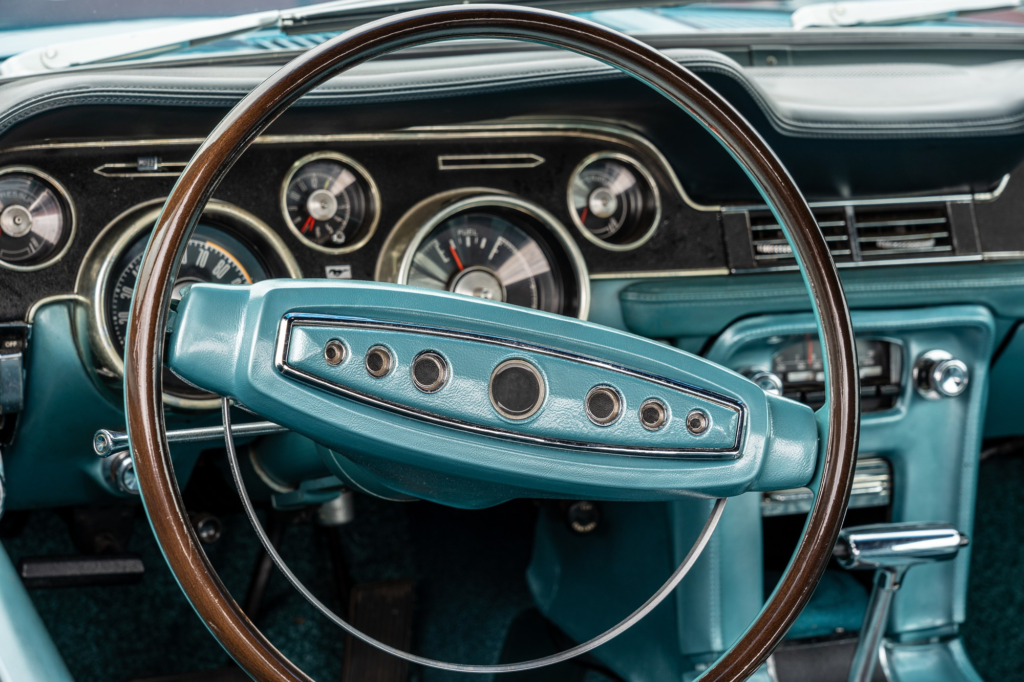
Cadillac has always stood as a benchmark for American luxury, craftsmanship, and innovation. From elegant pre-war sedans to bold mid-century cruisers and technologically advanced modern vehicles, Cadillac interiors reflect the design philosophy of their time. For restorers, collectors, and everyday owners alike, understanding Cadillac Interior Parts compatibility by model and year is essential to preserving both performance and authenticity.
Unlike many mass-produced vehicles, Cadillac interiors evolved frequently, sometimes year by year. Changes in seat construction, dashboard layouts, trim materials, and electronic components mean that not every interior part is interchangeable. This comprehensive guide explains how Cadillac Interior Parts differ across models and generations, what affects compatibility, and why working with an experienced Antique Cadillac Parts Dealer is crucial for successful restoration or repair.
Why Compatibility Matters for Cadillac Interior Parts
Compatibility is one of the most overlooked but critical aspects of interior restoration. Even a visually similar component may not mount correctly or function as intended if it comes from the wrong model year.
Cadillac engineered interiors to align precisely with body dimensions, safety regulations, and luxury standards of each era. Installing incompatible Cadillac Interior Parts can result in:
- Improper fitment
- Damage to original mounting points
- Electrical malfunctions
- Reduced resale or collector value
For classic and vintage models, originality is often paramount. Collectors rely on factory-correct interiors to maintain historical accuracy. This is where a knowledgeable Antique Cadillac Parts Dealer becomes invaluable.
Understanding Cadillac Interior Evolution by Era
To understand compatibility, it helps to look at how Cadillac interiors evolved over time.
Pre-1949 Cadillac Interiors
Early Cadillac interiors were largely handcrafted. Materials included wool broadcloth, real wood trim, and metal dashboards.
- Interiors were highly model-specific
- Very limited interchangeability
- Trim patterns and colors varied even within the same year
Sourcing correct components from a specialized Antique Cadillac Parts Dealer is often the only way to maintain authenticity in these vehicles.
1950s Cadillac Interiors: The Rise of Luxury
The 1950s marked a turning point for Cadillac. Interiors became more luxurious, colorful, and technologically advanced.
Common features included:
- Leather or premium vinyl seating
- Chrome interior accents
- Padded dashboards
Despite similarities across models like DeVille and Fleetwood, most Cadillac Interior Parts remained year-specific due to styling changes and evolving safety standards.
1960s Cadillac Interiors: Design and Comfort
The 1960s brought refined styling and improved ergonomics.
- Bucket seats appeared in certain models
- Dashboards became more sculpted
- Interior electronics expanded
While some interior hardware may interchange within close years, trim, upholstery, and dashboards usually require exact matches. An experienced Antique Cadillac Parts Dealer can help identify subtle differences.
1970s Cadillac Interiors: Plush and Powerful
Cadillac interiors in the 1970s emphasized comfort and size.
Key characteristics:
- Thick carpeting
- Wide bench seats
- Increased use of plastic trim
Although certain switches and knobs may be shared across several years, larger components such as door panels and dashboards are often model- and year-specific.
1980s Cadillac Interiors: Electronics Take Over
The 1980s introduced digital dashboards, climate control systems, and advanced power accessories.
Compatibility challenges increased due to:
- Wiring harness differences
- Electronic module variations
- Changing dashboard layouts
Matching Cadillac Interior Parts from this era requires careful attention to model year and trim level.
1990s and 2000s Cadillac Interiors: Modern Luxury
Later Cadillacs incorporated airbags, infotainment systems, and integrated control modules.
- VIN-specific components are common
- Safety systems require exact replacements
- Trim levels affect compatibility
Even small interior parts often differ depending on production options.
Cadillac Interior Parts Compatibility by Model
Cadillac DeVille Interior Parts
The DeVille remains one of Cadillac’s most recognizable models.
- 1950s–1960s DeVille: Upholstery patterns and door panels are highly year-specific
- 1970s DeVille: Some components interchange within a limited range
- 1980s–1990s DeVille: Electronic controls require exact matches
Using factory-correct Cadillac Interior Parts preserves both fit and luxury.
Cadillac Fleetwood Interior Parts
Fleetwood interiors were designed for executive-level comfort.
- Early Fleetwood models featured handcrafted trim
- 1970s Fleetwood Brougham models share some hardware
- Later Fleetwoods rely heavily on electronic integration
A trusted Antique Cadillac Parts Dealer ensures correct sourcing.
Cadillac Eldorado Interior Parts
The Eldorado’s front-wheel-drive platform influenced interior design.
- 1950s–1960s Eldorados are extremely model-specific
- 1970s models offer limited interchangeability
- 1980s models require precise electronic compatibility
Incorrect interior parts can compromise functionality and value.
Cadillac Seville Interior Parts
Designed to compete with European luxury sedans, the Seville introduced unique interiors.
- First-generation Seville interiors are not interchangeable
- 1980s digital dashboards are year-specific
- 1990s models require VIN verification
Key Cadillac Interior Parts and Their Compatibility Factors
Seats and Upholstery
Seat compatibility depends on:
- Frame design
- Mounting points
- Upholstery patterns
Even when dimensions appear similar, seats may not bolt in correctly without modification.
Dashboards and Instrument Panels
Dashboards change due to:
- Safety regulations
- Airbag integration
- Electronic upgrades
Swapping dashboards without verifying compatibility can lead to wiring issues.
Door Panels and Armrests
Door panels differ based on:
- Window regulators
- Lock mechanisms
- Trim layouts
Correct Cadillac Interior Parts ensure seamless installation.
Carpets and Floor Mats
Floor pan changes affect carpet fitment.
- Molded carpets are year-specific
- Color codes matter for authenticity
A professional Antique Cadillac Parts Dealer can match factory specifications.
Interior Trim and Moldings
Trim materials include:
- Woodgrain
- Chrome
- Brushed aluminum
Trim compatibility is influenced by model, year, and trim level.
The Importance of VIN and Trim Codes
VIN numbers provide critical information such as:
- Model year
- Assembly plant
- Interior options
For modern Cadillacs, many Cadillac Interior Parts are VIN-specific. Even classic models use trim codes to identify correct colors and materials. This is another reason why sourcing from a knowledgeable Antique Cadillac Parts Dealer is essential.
Restoration vs. Replacement: Making the Right Choice
Authentic Restoration
Collectors typically prefer:
- Factory-correct materials
- Original mounting points
- Period-accurate finishes
This approach maintains vehicle value and historical integrity.
Practical Replacement
Daily drivers may prioritize:
- Functionality
- Durability
- Subtle upgrades
Even then, compatibility must be carefully verified.
Why Choose a Specialized Dealer for Cadillac Interior Parts
Generic auto parts suppliers rarely understand the nuances of Cadillac interiors. A dedicated Antique Cadillac Parts Dealer offers:
- Model- and year-specific expertise
- Factory-correct reproductions
- Knowledge of trim codes and variations
This level of specialization reduces costly mistakes.
Caddy Daddy – Vintage and Antique Cadillac Parts Dealer
When it comes to sourcing authentic and reliable Cadillac Interior Parts, Caddy Daddy – Vintage and Antique Cadillac Parts Dealer stands out as a trusted name in the classic Cadillac community. With deep expertise across decades of Cadillac production, Caddy Daddy helps owners and restorers find correct-fit interior components that preserve originality, comfort, and value.
Common Mistakes to Avoid When Buying Cadillac Interior Parts
- Assuming parts are interchangeable across years
- Ignoring trim level differences
- Overlooking electrical compatibility
- Choosing price over authenticity
Working with an experienced Antique Cadillac Parts Dealer helps avoid these issues.
Final Thoughts: Getting Compatibility Right
Understanding Cadillac Interior Parts compatibility by model and year is the foundation of a successful restoration or repair. Cadillac interiors are not generic; they reflect decades of engineering, design evolution, and luxury standards.
Whether you are restoring a pre-war classic, preserving a mid-century icon, or maintaining a late-model luxury sedan, choosing the correct parts ensures:
- Proper fitment
- Reliable functionality
- Authentic appearance
- Long-term value
Partnering with a reputable Antique Cadillac Parts Dealer like Caddy Daddy – Vintage and Antique Cadillac Parts Dealer gives you confidence that every interior component aligns with Cadillac’s legacy of excellence.