Buy Healthy Juices: A Complete Guide to Smarter, Nutrient-Rich Choices
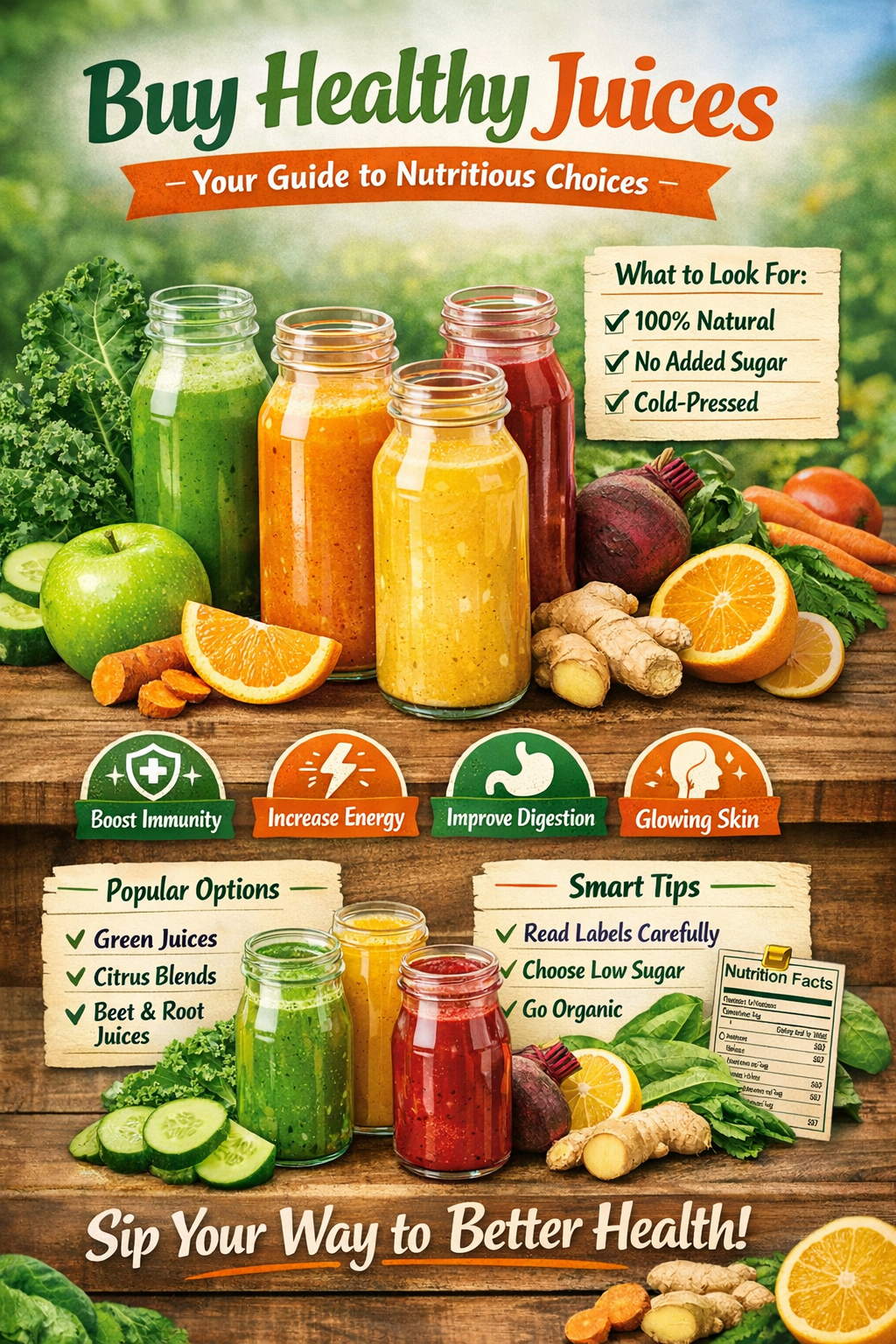
In today’s fast-paced world, maintaining a balanced diet can feel overwhelming. Between busy schedules, long commutes, and endless responsibilities, many people struggle to consume enough fruits and vegetables daily. That’s where the option to Buy Healthy Juices becomes appealing. Fresh, nutrient-dense juices offer a convenient way to boost your intake of vitamins, minerals, and antioxidants without spending hours in the kitchen.
However, not all juices are created equal. Some are packed with added sugars and preservatives, while others truly support your wellness goals. This detailed guide will help you understand how to choose the right products, what to look for on labels, and how to make the most of your purchase.
Why Healthy Juices Are Gaining Popularity
Over the past decade, health-conscious consumers have shifted toward natural beverages. Instead of sugary sodas or artificially flavored drinks, people are opting for cold-pressed juices, organic blends, and vegetable-based options.
Here’s why:
-
Convenience: Quick nutrition on the go
-
Improved hydration: High water content supports hydration
-
Nutrient density: Concentrated vitamins and antioxidants
-
Digestive support: Many juices include fiber-rich ingredients
When you Buy Healthy Juices from reputable brands, you’re often investing in quality ingredients that support overall wellness.
What Makes a Juice Truly “Healthy”?
The term “healthy” can sometimes be misleading in marketing. To make informed decisions, consider these key factors:
1. Ingredient Transparency
Look for:
-
100% fruit or vegetable content
-
No added sugars
-
No artificial flavors or colors
-
Minimal preservatives
The shorter the ingredient list, the better.
2. Cold-Pressed vs. Conventional
Cold-pressed juices use hydraulic pressure instead of heat. This process:
-
Preserves more nutrients
-
Maintains natural flavor
-
Extends shelf life without heavy processing
3. Sugar Content
Even natural fruit sugars can add up. Choose juices that:
-
Include vegetables to balance the sweetness
-
Have less than 25 grams of sugar per serving
-
Avoid “fruit cocktail” blends
Benefits of Drinking Healthy Juices
Boosted Immune System
Juices rich in vitamin C, zinc, and antioxidants may help support immune health. Ingredients like citrus fruits, ginger, and leafy greens are particularly beneficial.
Better Digestive Health
Many juices include:
-
Aloe vera
-
Ginger
-
Spinach
-
Beetroot
These ingredients can support digestion and reduce bloating.
Increased Energy Levels
Natural sugars combined with micronutrients provide a quick, clean energy boost—without the crash associated with energy drinks.
Improved Skin Health
Antioxidant-rich juices may:
-
Reduce oxidative stress
-
Support collagen production
-
Promote clearer skin
When you Buy Healthy Juices regularly, you’re essentially adding a convenient nutritional supplement to your routine.
Types of Healthy Juices to Consider
Green Juices
Typically made from:
-
Kale
-
Spinach
-
Cucumber
-
Celery
-
Green apple
These are low in sugar and high in vitamins A, C, and K.
Citrus Blends
Common ingredients:
-
Orange
-
Lemon
-
Grapefruit
-
Turmeric
Great for immune support and hydration.
Beet and Root Juices
Often contains:
-
Beetroot
-
Carrot
-
Ginger
Known for supporting blood circulation and stamina.
Detox Blends
May include:
-
Activated charcoal
-
Lemon
-
Mint
-
Apple cider vinegar
Designed to help refresh and reset your digestive system.
Store-Bought vs. Homemade Juices
Many people wonder whether it’s better to make juice at home or purchase it from a store.
Homemade Juices
Pros:
-
Full control over ingredients
-
Freshly prepared
-
No preservatives
Cons:
-
Time-consuming
-
Requires expensive juicing equipment
-
Short shelf life
Store-Bought Juices
Pros:
-
Convenient
-
Long shelf life
-
Professionally blended
Cons:
-
Can contain added sugars
-
Some brands use concentrates
For busy individuals, choosing to Buy Healthy Juices from trusted brands can offer a practical compromise between convenience and nutrition.
How to Read Juice Labels Properly
When standing in the beverage aisle, here’s what to examine:
-
Nutrition Facts Panel
-
Calories per serving
-
Total sugars
-
Fiber content
-
-
Ingredient List
-
Listed in descending order by weight
-
Avoid high-fructose corn syrup
-
-
Certifications
-
Organic certification
-
Non-GMO labeling
-
Cold-pressed verification
-
Being label-savvy ensures you don’t accidentally purchase a sugary drink disguised as a health beverage.
Who Should Consider Drinking Healthy Juices?
Healthy juices can benefit:
-
Busy professionals
-
Fitness enthusiasts
-
Students
-
Older adults
-
Individuals struggling to meettheir vegetable intake.
However, those with diabetes or blood sugar concerns should monitor sugar levels carefully and consult a healthcare provider before significantly increasing fruit juice consumption.
Are Juice Cleanses Safe?
Juice cleanses have become trendy, but they’re not suitable for everyone.
Short-Term Cleanses
May:
-
Reduce calorie intake temporarily
-
Promote hydration
-
Encourage mindful eating
Risks
-
Lack of protein
-
Blood sugar spikes
-
Fatigue
Rather than relying on extreme cleanses, incorporating healthy juices into a balanced diet is a more sustainable approach.
Tips for Storing Healthy Juices
To maintain freshness and nutrient value:
-
Refrigerate immediately after purchase
-
Keep tightly sealed
-
Consume within 3–5 days if fresh
-
Avoid prolonged exposure to sunlight
Proper storage ensures maximum flavor and nutritional benefits.
Smart Buying Tips
If you’re planning to Buy Healthy Juices, keep these strategies in mind:
-
Choose brands with transparent sourcing
-
Compare sugar levels across products
-
Opt for vegetable-heavy blends
-
Avoid artificial sweeteners
-
Check expiration dates
Buying in smaller quantities can also help prevent waste.
Healthy Juices and Weight Management
Juices can support weight goals when used wisely.
Helpful When:
-
Replacing sugary beverages
-
Complementing balanced meals
-
Used as a nutrient-rich snack
Not Helpful When:
-
Used as meal replacements long-term
-
High in added sugars
-
Consumed excessively
Balance is key. Juice should complement—not replace—whole foods.
Environmental Considerations
Modern consumers also care about sustainability. When shopping, consider:
-
Recyclable packaging
-
Glass bottles over plastic
-
Locally sourced ingredients
-
Ethical farming practices
Supporting responsible brands contributes to both personal and planetary health.
Common Myths About Healthy Juices
Myth 1: All Juice Is Healthy
Reality: Many commercial juices are loaded with sugar.
Myth 2: Juice Replaces Vegetables
Reality: Whole vegetables provide fiber that juice alone may lack.
Myth 3: More Juice Equals Better Health
Reality: Moderation is essential.
Understanding these misconceptions helps you make smarter decisions.
How to Incorporate Juice into Your Daily Routine
You don’t need drastic changes. Start small:
-
Morning green juice with breakfast
-
Post-workout beet blend
-
Afternoon citrus refresher
-
Add to smoothies for extra nutrients
When you Buy Healthy Juices thoughtfully, they become a seamless addition to your lifestyle.
Final Thoughts
Healthy juices can be a valuable part of a balanced diet when chosen carefully. They provide convenience, concentrated nutrients, and a flavorful variety. However, not every bottle on the shelf deserves a place in your refrigerator.
Focus on:
-
Ingredient quality
-
Low sugar content
-
Minimal processing
-
Transparent labeling
By being informed and selective, you can confidently Buy Healthy Juices that align with your wellness goals without falling for misleading marketing claims.
In the end, the goal isn’t perfection—it’s progress. Small, consistent improvements in your beverage choices can have a meaningful impact on your overall health and energy levels.
Make smart decisions, enjoy natural flavors, and let nutritious juices support your journey toward a healthier lifestyle.