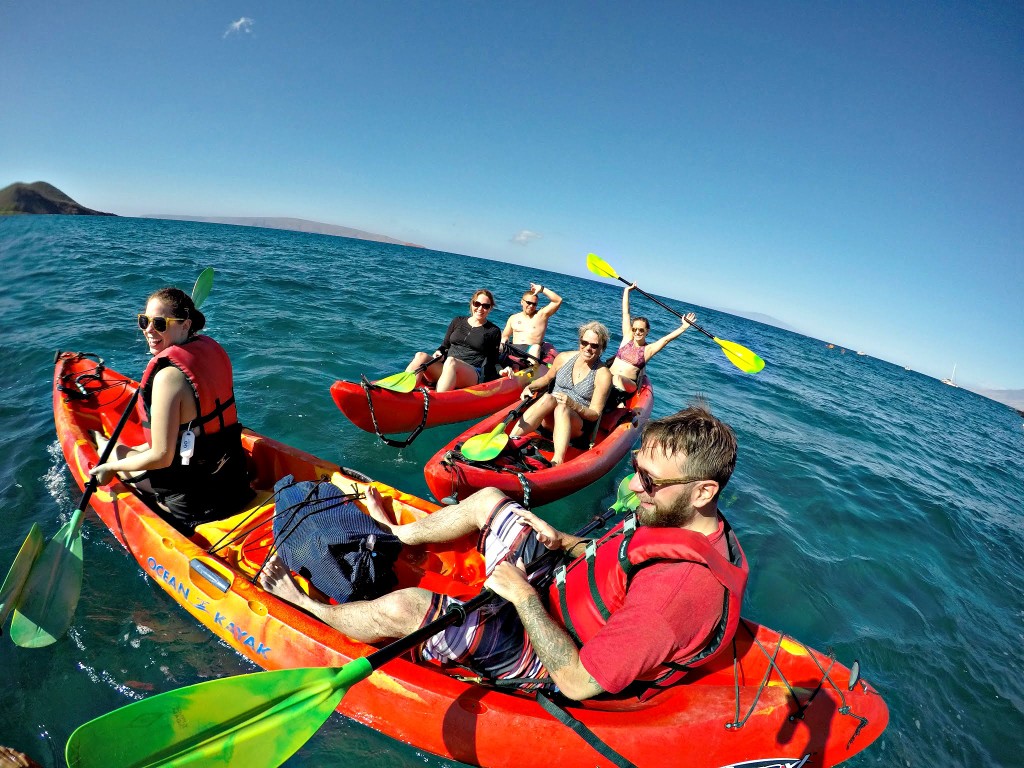
Kayaking in Maui
The best time for kayaking in Maui is during the summer months from May through September, when calm ocean conditions, excellent visibility, and minimal rainfall create ideal paddling experiences. However, Maui’s year-round tropical climate makes kayaking possible in every season, with winter months (December-March) offering unique opportunities to spot humpback whales during your paddle. Your perfect timing depends on whether you prioritize flat waters and warm weather or prefer fewer crowds and wildlife encounters during the shoulder seasons of April and October.
I’ve spent countless mornings launching kayaks from Makena Beach, watching the sunrise paint Haleakalā in shades of pink and gold while green sea turtles glide beneath my hull. After seven years of exploring Maui’s coastline and talking with local outfitters, I’ve learned that timing your kayaking adventure correctly can mean the difference between an unforgettable experience and a challenging workout against wind and waves.
Understanding Maui’s Kayaking Seasons
Maui doesn’t follow traditional four-season patterns like mainland destinations. Instead, the island experiences two distinct seasons that dramatically affect your paddling conditions: the dry summer season and the wetter winter months.
Summer Season (May-September): This period delivers the most consistent conditions for kayaking in Maui. Ocean swells typically diminish, trade winds blow more predictably, and rainfall decreases significantly. Morning paddles often feature glassy water conditions that make photographing sea turtles and tropical fish almost effortless. Water temperatures hover around 78-80°F, comfortable enough that many paddlers skip the wetsuit entirely.
Winter Season (October-April): While conditions become more variable during these months, winter kayaking offers its own rewards. Larger ocean swells arrive from the north, creating more challenging conditions on windward shores but often leaving leeward coasts perfectly calm. The real prize? Humpback whales migrate to Maui’s warm waters between December and March, and hearing their songs underwater while kayaking remains one of nature’s most profound experiences.
Month-by-Month Kayaking Guide for Maui
January-February: Winter Whale-Watching Window
These months mark peak whale season, with thousands of humpbacks congregating in the waters between Maui, Lanai, and Molokai. Many Maui kayak tours specifically focus on whale-watching during this period, though federal regulations require maintaining a 100-yard distance from these magnificent creatures.
Conditions: Ocean swells average 6-10 feet on north shores, but south shore locations like Makena Landing remain protected and calm most mornings. Rain showers occur more frequently, though they’re typically brief.
Best for: Experienced paddlers seeking wildlife encounters; those willing to trade guaranteed calm conditions for whale sightings.
March-April: Shoulder Season Sweet Spot
As winter transitions to summer, March and April offer an underrated window for kayaking in Maui. Whale numbers begin declining by mid-March, but ocean conditions start improving while tourist crowds thin out considerably.
Conditions: Increasingly calm mornings with afternoon breezes picking up around 11 AM. Water visibility improves as winter runoff clears. Average water temperature: 76°F.
Best for: Budget-conscious travelers (Maui kayak tours often discount rates); photographers seeking clearer water; paddlers who appreciate quieter launch sites.
May-September: Prime Kayaking Season
Summer delivers the most reliable conditions for Maui kayaks adventures. Morning glass-off conditions (perfectly flat water) occur regularly, especially before 9 AM. These months see the highest concentration of Maui kayak tours operating, with outfitters running multiple daily departures.
Conditions: Minimal ocean swells, predictable trade winds (typically 10-15 mph from the northeast), and exceptional underwater visibility reaching 100+ feet on calm days. Rainfall averages less than an inch per month in popular kayaking areas.
Best for: Beginners and families; snorkelers wanting crystal-clear water; anyone prioritizing calm, predictable conditions; early morning or sunset paddles.
October-December: Transition and Early Winter
October remains surprisingly pleasant for kayaking, with conditions more similar to summer than winter. November and December see increasing variability as winter weather patterns establish themselves, though south shore locations maintain their protection from northern swells.
Conditions: Mornings generally calm through mid-November, with afternoons becoming windier. First humpback whales typically arrive in late November or early December. Rain frequency increases gradually.
Best for: Flexible paddlers who can adapt to changing conditions; those seeking end-of-season deals on Maui kayak adventures before holiday pricing kicks in.
Location-Specific Timing Considerations
South Maui (Makena, Wailea, Kihei)
South Maui beaches remain remarkably protected year-round, making this coastline your most reliable option during winter months. Makena Landing Park serves as the launch point for countless Maui kayak tours because its location in the “rain shadow” of Haleakalā ensures drier conditions and calmer waters even when north shores face challenging swells.
Best months: May-October for beginners; year-round for experienced paddlers willing to monitor daily conditions.
West Maui (Kaanapali, Napili, Honolua)
Western coastlines experience more seasonal variation than south shores. Summer months deliver spectacular kayaking with incredible snorkeling at spots like Honolua Bay, while winter swells can make launching difficult or dangerous at exposed beaches.
Best months: May-September, with October and April as decent shoulder seasons.
North Shore (Paia, Haiku)
North-facing coastlines receive the full force of winter swells, making them generally unsuitable for recreational kayaking from November through March. However, summer transforms these areas into paddling paradises with calm conditions and fewer crowds than south Maui.
Best months: June-September only; even experienced paddlers should avoid north shore kayaking during winter.
East Maui (Hana)
The Hana coast receives more rainfall year-round and experiences rougher ocean conditions than leeward sides. While stunningly beautiful, this area requires careful timing and often works best as a guided experience with local experts who understand daily conditions.
Best months: Summer mornings (May-September) when trade winds haven’t yet intensified.

Daily Timing: When to Launch Your Kayak
Regardless of season, daily timing dramatically affects your kayaking experience in Maui. Trade winds follow predictable patterns that every paddler should understand.
6:00-9:00 AM: The golden window for kayaking. Winds remain lightest, water surfaces often glass-off completely, and you’ll encounter fewer motorboats. Marine life activity peaks during early morning hours when turtles and fish feed more actively.
9:00 AM-12:00 PM: Conditions remain generally good, though trade winds gradually strengthen. Still excellent for kayaking, especially during summer months.
12:00-4:00 PM: Afternoon winds typically peak between 15-25 mph, creating whitecaps and making paddling significantly more challenging. Beginning paddlers should avoid afternoon sessions.
4:00-7:00 PM: Winds often diminish again as sunset approaches, creating another beautiful paddle window. Sunset Maui kayak adventures have grown increasingly popular, offering spectacular photography opportunities and a different perspective on marine life behavior.
Special Considerations for Different Experience Levels
First-Time Kayakers
If you’re new to kayaking, book your Maui kayak tours during May through September and schedule morning departures. Many outfitters offer guided experiences that include instruction, equipment, and local knowledge about conditions and wildlife. Don’t attempt independent paddles until you’ve developed basic skills and understand ocean conditions.
Intermediate Paddlers
Spring and fall shoulder seasons offer excellent value and good conditions for kayakers with some experience. You can handle slightly windier afternoons and appreciate the solitude of less crowded seasons. Consider exploring beyond the typical beginner spots like Makena to discover hidden gems along the coast.
Advanced Kayakers
Winter kayaking in Maui presents unique challenges and rewards for experienced paddlers. You can handle variable conditions, understand swell patterns, and possess the judgment to postpone trips when conditions exceed your abilities. Advanced paddlers often find winter’s dramatic scenery and whale encounters worth the added challenge.
Weather Patterns and Forecasting
Before any kayaking adventure, check multiple weather sources. Wind forecasts prove particularly crucial apps like Windy.com or Windfinder provide hour-by-hour predictions that help you time your launch perfectly. Ocean swell forecasts from NOAA indicate whether coastal waters will be calm or challenging.
Pay attention to trade wind strength forecasts. Trade winds below 15 mph create manageable conditions for most paddlers, while sustained winds above 20 mph make kayaking uncomfortable and potentially dangerous for beginners.
Making Your Decision: Best Time for Your Goals
For the calmest, most reliable conditions: Visit between May and September, launching before 9 AM from south Maui locations.
For whale-watching opportunities: Plan your Maui kayaks adventure between January and March, accepting more variable ocean conditions.
For the best balance of weather, wildlife, and value: Consider the shoulder seasons of April or October when conditions improve or remain good while crowds and prices drop.
For the most unique experience: Try winter kayaking in Maui with experienced guides who know protected locations and can safely position you for whale encounters.
The beauty of Maui’s tropical climate means you’ll find kayaking opportunities throughout the year. Understanding seasonal patterns simply helps you set appropriate expectations and choose timing that matches your skills, interests, and priorities. Whether you’re gliding over summer’s glassy waters or listening for whale songs during a winter paddle, kayaking in Maui offers unforgettable perspectives on this island paradise that few visitors experience.