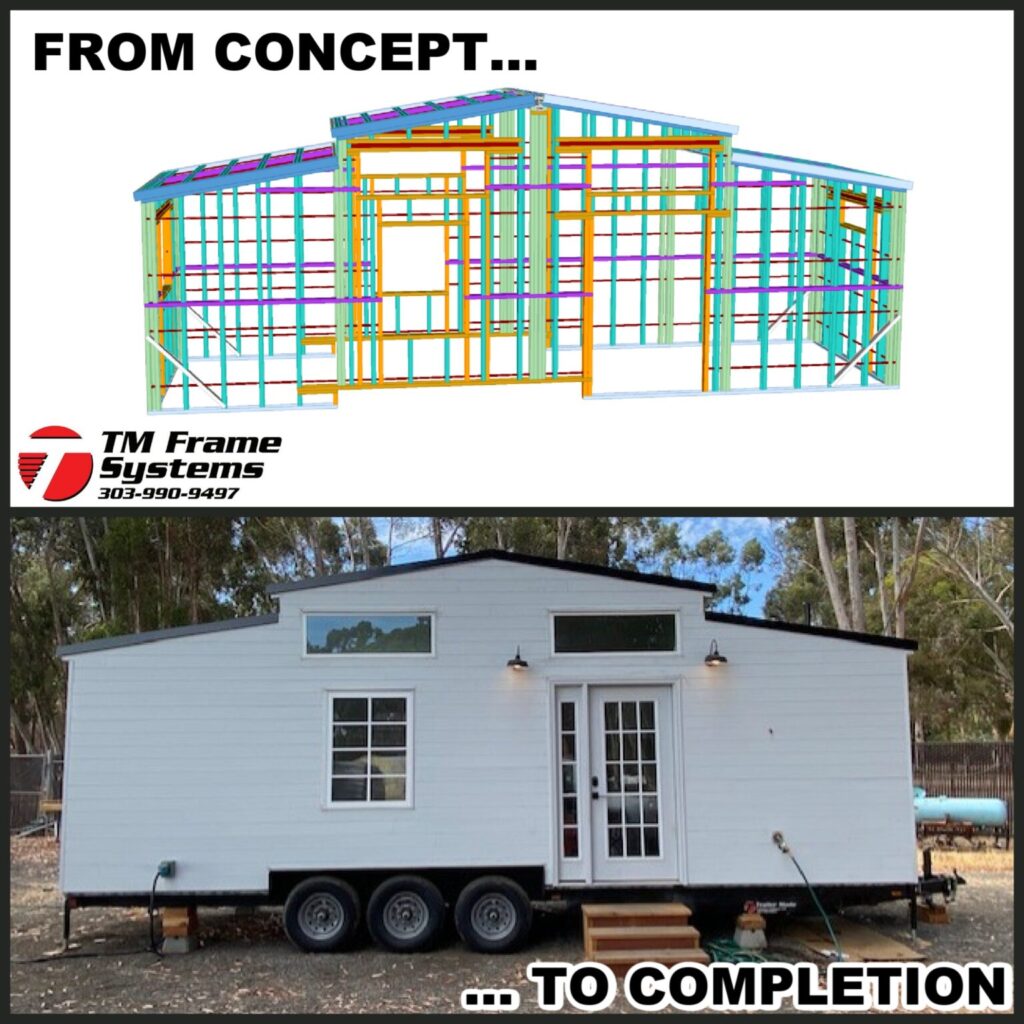
People love the idea of tiny homes. Love it. The freedom. The simplicity. The Instagram shots with coffee mugs and mountain views. What nobody loves talking about is the mess between the dream and the driveway. That gap is where tiny house experts quietly earn their keep. Or don’t. Depends who you hire.
Here’s the blunt truth. Building small isn’t easier. It’s tighter, more unforgiving. Every inch counts. Every mistake is visible. You screw up a wall in a regular house, you’ve got room to hide it. In a tiny home? That error stares at you every morning while you brush your teeth. That’s why people who’ve done this before matter.
I’ve watched plenty of folks buy a Tiny home kit thinking it’s adult Lego. Click. Slot. Done. Sometimes it works. Often it doesn’t. Instructions assume experience you don’t have. Or tools you didn’t buy. Or zoning rules you didn’t even know existed. Tiny house experts aren’t magicians, but they’ve already made the mistakes you’re about to make. That alone is worth listening to.
What Tiny House Experts Actually Do (And What They Don’t)
Let’s clear something up. Tiny house experts aren’t there to hold your hand and whisper affirmations while you build. They’re practical. Sometimes annoyingly so. They’ll tell you a design won’t work. Or that your budget is fantasy math. You want honesty, not cheerleading.
These folks understand structure, weight distribution, insulation quirks, ventilation problems, and how moisture loves to destroy tiny spaces quietly. They know why that Pinterest staircase collapses under real human weight. They’ve dealt with inspectors who don’t like wheels. Or neighbors who definitely don’t like you.
What they don’t do is promise perfection. Any expert who says your build will be “stress free” is lying. Stress is part of it. Tiny living exposes your patience. Experts just reduce the stupid stress. The avoidable kind.
And yeah, some of them specialize in Tiny home kit builds. They know which kits are solid and which are basically expensive firewood. That insight? Hard-earned. Usually from jobs that went sideways.
Tiny Home Kits: Smart Shortcut or Costly Trap
Tiny home kits sound brilliant on paper. Pre-cut materials. Simplified process. Faster timelines. Sometimes that’s true. Sometimes it’s marketing fluff wrapped in plywood. The difference is knowing what you’re buying, and why.
A good Tiny home kit saves time and decision fatigue. You’re not staring at lumber stacks wondering if you bought the wrong thickness again. The measurements are done. The pieces fit. Mostly. But kits don’t solve everything. They don’t adapt well to weird land. Or harsh climates. Or local code quirks that vary wildly by county.
This is where tiny house experts earn another check. They can look at a kit and say, “This won’t pass here,” or “You’ll need to reinforce this roof,” or “Change that insulation unless you like condensation dripping on your pillow.” That advice beats finding out after drywall goes up.
I’ve seen people push ahead without guidance, convinced they’re saving money. Then they redo half the build. Twice. That math never works out in their favor.
Designing Small Without Losing Your Mind
Tiny design isn’t about cramming stuff into smaller boxes. It’s about decisions. Hard ones. You can’t have everything. Tiny house experts know how to prioritize function without killing comfort.
They’ll ask uncomfortable questions. How often do you actually cook? Do you need a full closet or just better habits? Are you working from home or pretending you won’t be? These questions shape layouts more than square footage ever could.
A Tiny home kit gives you a starting point. Experts help you customize it so it fits real life, not a brochure. Maybe that means ditching the loft ladder for stairs that don’t feel like a gym challenge. Maybe it’s adding storage where you didn’t know it could exist.
This isn’t about luxury. It’s about sanity. Tiny living done wrong feels like camping that never ends. Done right, it feels intentional. Calm, even.
Cost Reality: Where Money Actually Goes
Let’s talk money without sugarcoating. Tiny homes aren’t always cheap. Smaller doesn’t mean inexpensive. It means different expenses. Tiny house experts understand where costs hide.
Materials cost more when precision matters. Labor costs more when mistakes are expensive. Permits, land prep, utilities, trailers, delivery. None of that is glamorous, but it’s real. A Tiny home kit might look affordable until you factor in what’s missing. Foundation work. Electrical upgrades. Climate-specific changes.
Experts help you budget like an adult, not like someone guessing. They’ll tell you when to spend and when to save. When DIY is smart. When it’s a terrible idea. That balance keeps projects alive.
I’ve seen builds stall for months because someone ran out of money fixing errors. Planning beats optimism every time.

Zoning, Codes, and the Joy of Red Tape
This is the part nobody wants to hear about. Regulations. Zoning laws. Building codes written for houses twice the size of yours. Tiny house experts navigate this mess daily. They know which rules bend and which snap.
Some areas love tiny homes. Others tolerate them quietly. Some flat-out resist. A Tiny home kit doesn’t come with a permit guarantee. Experts help you interpret local requirements before you sink money into something you can’t legally place.
They’ve talked to inspectors. They know the language that works. They understand minimum square footage rules, RV classifications, permanent foundations versus wheels. This stuff matters. A lot.
Ignoring it doesn’t make it disappear. It just delays the pain.
Living Tiny Is a Skill, Not Just a Space
Here’s the part most blogs skip. Living tiny changes you. It forces habits into the open. Clutter shows instantly. Noise travels. Smells linger. Tiny house experts who actually live this life understand that transition.
They’ll tell you what’s annoying six months in. What breaks faster. What you’ll wish you’d done differently. That lived experience matters more than theory.
A Tiny home kit gives you walls and a roof. Experts help you think about flow, maintenance, upgrades down the road. They think long-term. Because tiny homes age differently. Wear shows faster. Systems work harder.
This isn’t about fear. It’s about realism. Tiny living is rewarding, but only if you’re prepared for the trade-offs.
Why Tiny House Experts Still Matter in a DIY World
We live in a YouTube age. Tutorials everywhere. Forums full of opinions. That’s great. It’s also noisy. Tiny house experts cut through that noise with experience.
They’re not threatened by DIY. Most support it. They just know where DIY hits its limits. Structural safety. Electrical work. Moisture control. Things that, when wrong, cost more than pride.
A Tiny home kit plus expert guidance is often the sweet spot. You stay involved. You learn. You avoid the biggest landmines. That balance keeps projects moving.
Going it completely alone works for some. But most people don’t regret getting help. They regret not getting it sooner.
The Bottom Line: Build Smart, Not Stubborn
Tiny homes aren’t about proving something. They’re about living better with less nonsense. Tiny house experts exist because experience still matters, no matter how many videos you watch.
If you’re serious about building small, get serious about guidance. Whether you’re starting with a Tiny home kit or designing from scratch, expert insight saves time, money, and frustration. Probably sleep, too.
Don’t rush it. Don’t romanticize the hard parts. Build smart. Ask questions. Get help where it counts.
Ready to start your tiny home journey the right way? Talk to people who’ve done it, broken it, fixed it, and lived in it. That’s where real progress begins.