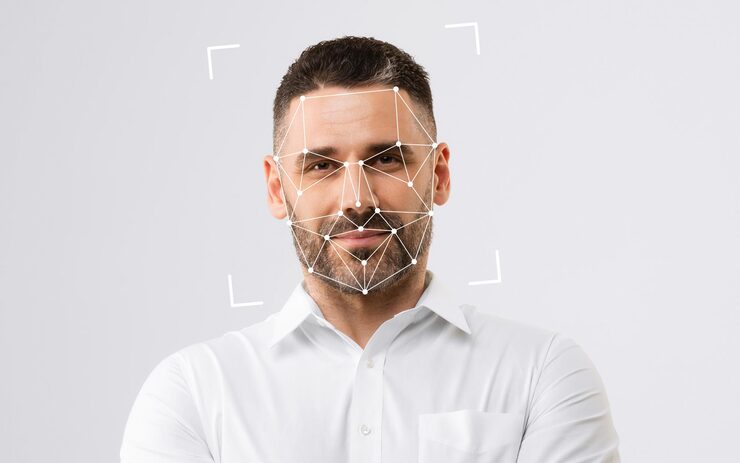
Sleep apnea is a serious but often undiagnosed sleep disorder affecting millions of people worldwide. Loud snoring, daytime fatigue, morning headaches, and breathing pauses during sleep are common signs, yet many people delay diagnosis due to fear of hospital visits, expensive tests, or uncomfortable overnight sleep studies. With advancements in digital health, AI face scanner technology for sleep apnea is changing how people detect and manage sleep disorders—right from the comfort of home.
The Challenge of Traditional Sleep Apnea Diagnosis
Traditionally, sleep apnea is diagnosed through an in-lab polysomnography (PSG), a detailed overnight sleep study conducted in a hospital or sleep clinic. While accurate, it can be inconvenient, costly, and intimidating for many patients. This has led to a growing demand for sleep apnea tests without hospital visits and easy-to-use home screening solutions.AI Face Scan Sleep Apnea Test: A New-Age Solution
An AI face scanner for sleep apnea uses artificial intelligence and computer vision to analyze facial structure, jaw alignment, neck circumference, and other physical indicators linked to obstructive sleep apnea (OSA). Research has shown that facial anatomy plays a significant role in airway obstruction during sleep. By leveraging advanced algorithms, AI-based systems can assess the risk of sleep apnea in minutes—no wires, no overnight stay, and no discomfort. This makes it an ideal home sleep apnea screening AI solution for early detection.How AI Detects Sleep Apnea at Home
People often ask, “How to detect sleep apnea at home without a sleep study?” AI-powered tools answer this question effectively. These systems work through a simple process:- A facial scan using a smartphone or AI-enabled device
- Automated analysis of facial and airway-related markers
- Risk assessment for obstructive sleep apnea
- Actionable recommendations for further testing or treatment