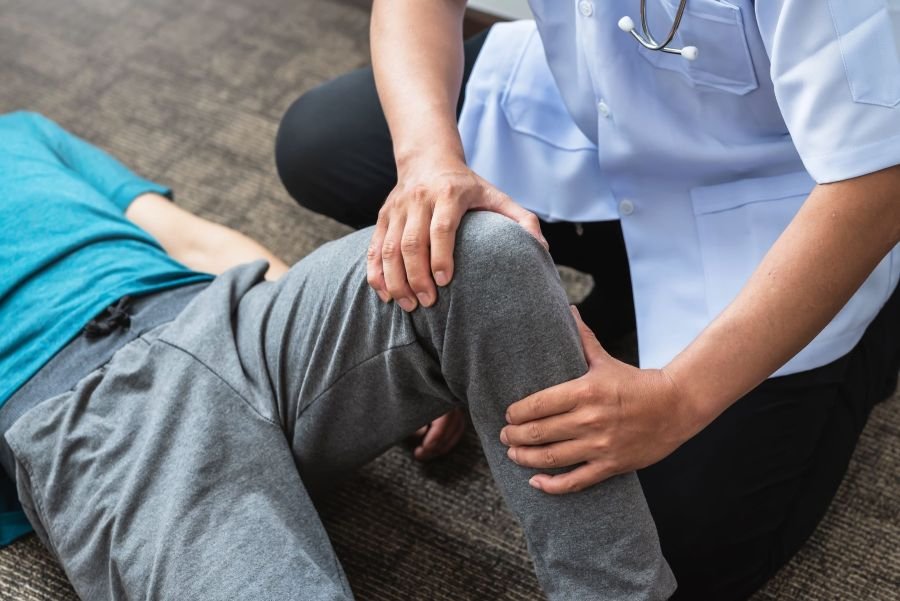
Playing sports is a great way to stay active, build strength, and improve overall fitness. From recreational activities to competitive training, regular movement offers many benefits. However, sports can also place stress on muscles, joints, and other parts of the body.
A sudden twist, awkward landing, collision, or repeated movement may lead to an injury. Some problems cause immediate pain, while others develop gradually through repeated strain.
People researching sports injuries chiropractic care often want to understand how injuries are assessed and which treatment options may support recovery.
What Are Common Sports Injuries?
Sports injuries can affect different areas of the body depending on the activity, movement, and level of physical contact.
Some common examples include:
Muscle Strains
A muscle strain occurs when muscle fibres are stretched or damaged. It may happen during sprinting, lifting, jumping, or sudden changes in direction.
Common symptoms include pain, tenderness, swelling, and difficulty using the affected muscle.
Ligament Sprains
Ligaments connect bones and help stabilise joints. A sprain may occur when a joint moves beyond its normal range.
Ankle and knee sprains are common in activities that involve jumping, running, or rapid direction changes.
Back and Neck Injuries
Contact sports, falls, and repetitive movements can contribute to back or neck discomfort.
Some injuries may involve muscles and soft tissues, while others require more detailed medical evaluation.
Tendon Problems
Repeated loading can irritate tendons and cause pain during movement. These problems may develop gradually rather than after one specific incident.
What Causes Sports Injuries?
Different factors can increase the chance of injury.
- Skipping warm-up activities
- Increasing training intensity too quickly
- Using unsuitable equipment
- Poor movement technique
- Repeating the same movement without enough recovery
- Returning to sport before an injury has healed
- Muscle weakness or limited mobility
Not every injury can be prevented, but good training habits may reduce some risks.
When Should You Get a Sports Injury Assessed?
Mild soreness after exercise may settle with appropriate rest and recovery. An injury should be assessed when pain is severe, swelling is significant, movement is limited, or symptoms continue.
Seek urgent medical attention if you cannot bear weight after an injury, notice a visible deformity, experience severe swelling, or have significant weakness or numbness.
A suspected fracture, dislocation, head injury, or serious ligament injury needs appropriate medical evaluation.
How Does a Chiropractic Assessment Work?
A chiropractic assessment may help evaluate certain musculoskeletal complaints associated with sports activities.
The practitioner may ask about:
- Which sport or activity caused the problem?
- When did the injury happen?
- Was there a fall, collision, or sudden movement?
- Where do you feel discomfort?
- Does the pain increase during specific movements?
- Have you had a similar injury before?
The physical assessment may include checking movement, posture, muscle tenderness, and joint function.
If the findings suggest a more serious injury, referral for medical assessment or imaging may be necessary.
What Role Can Chiropractic Care Play in Sports Injury Management?
Depending on the type of injury, chiropractic care may be one part of a broader recovery plan.
Care options may include selected manual techniques, soft tissue work, mobility guidance, and advice about returning to normal activities.
A suitable plan may also involve exercises designed to support strength, balance, flexibility, and movement control.
Treatment should match the injury and the athlete’s current condition. Chiropractic care is not a replacement for medical treatment when a fracture, major ligament injury, concussion, or other serious condition is suspected.
Why Is Rehabilitation Important?
Feeling less pain does not always mean an injury has fully recovered. Returning to sport too early may increase the risk of another injury.
A gradual rehabilitation plan can help rebuild physical capacity.
Depending on the injury, recovery may involve:
- Restoring comfortable movement
- Improving muscle strength
- Developing balance and coordination
- Practising sport-specific movements
- Gradually increasing training intensity
A healthcare professional can help determine when it is appropriate to return to training or competition.
Tips for Reducing Sports Injury Risks
You can take several practical steps to support safer physical activity.
Warm Up Before Exercise
Start with light movement and gradually increase intensity before demanding activity.
Increase Training Gradually
Avoid sudden increases in training time, distance, or resistance.
Use Suitable Equipment
Choose footwear and protective equipment that match your sport and activity level.
Allow Time for Recovery
Rest days and adequate sleep can support recovery between training sessions.
Learn Proper Technique
Good movement technique may help reduce unnecessary stress on muscles and joints.
Do Not Ignore Pain
Persistent or worsening pain is a reason to reduce activity and seek professional advice.
Final Thoughts
Sports injuries can affect athletes at every level, from beginners to experienced competitors. Understanding the injury, getting an appropriate assessment, and following a gradual recovery plan can help you make informed decisions about returning to activity.
If you are exploring sports injuries chiropractic care in Etobicoke, visit Sport Injuries Chiropractic to learn more about the clinic’s approach.
A safe recovery should focus on the specific injury, realistic goals, and professional guidance rather than rushing back into sport.