Selecting the right adhesive for leather is essential for producing durable, flexible and high-quality leather products.
Adhesive for Leather: Choosing the Right Bonding Solution
Leather is a widely used material in industries such as footwear, furniture, automotive interiors, fashion accessories, upholstery and manufacturing. Its durability, flexibility and attractive appearance make it suitable for numerous commercial and industrial applications. However, producing high-quality leather products requires more than selecting the right material. Choosing the correct adhesive for leather is equally important to achieve strong, flexible and long-lasting bonding.
Whether manufacturers are producing leather shoes, handbags, wallets, furniture or automotive seats, the right adhesive helps improve product quality, durability and overall performance. As leather products are frequently exposed to bending, stretching, friction and environmental conditions, selecting a suitable bonding solution is essential.
Understanding Adhesive for Leather
An adhesive for leather is a specially selected bonding solution designed to join leather surfaces with other materials or with additional leather components. Depending on the application, leather adhesives can bond natural leather, synthetic leather, rubber, foam, fabric and other substrates.
Unlike ordinary glue, industrial leather adhesives need to provide suitable adhesion, flexibility and resistance to everyday stress. A good bonding solution should maintain its strength without making the leather excessively stiff or damaging its natural appearance.
Different manufacturing processes require different adhesive technologies. Therefore, manufacturers should consider the leather type, surface condition, production process and expected performance before selecting an adhesive.
Different Types of Adhesive for Leather
Choosing the correct adhesive depends on the specific requirements of the product. Several adhesive technologies are used in leather manufacturing and related industries.
1. Rubber-Based Adhesives
Rubber-based adhesives are commonly considered for applications where flexibility and reliable bonding are important. They can be suitable for footwear manufacturing, leather accessories, upholstery and applications involving different flexible materials.
Their flexibility helps maintain the bond when leather products are bent or handled regularly. Depending on the formulation, rubber-based adhesives can also provide good initial tack and bonding performance.
2. Water-Based Adhesives
Water-based adhesives are used in various industrial applications where manufacturers prefer adhesive systems with water as the primary carrier. They can be suitable for selected leather, fabric and upholstery bonding applications.
These adhesives can offer several manufacturing advantages, including easier application and reduced solvent emissions compared with conventional solvent-based alternatives. However, drying conditions, material compatibility and the required bonding strength must be evaluated before selection.
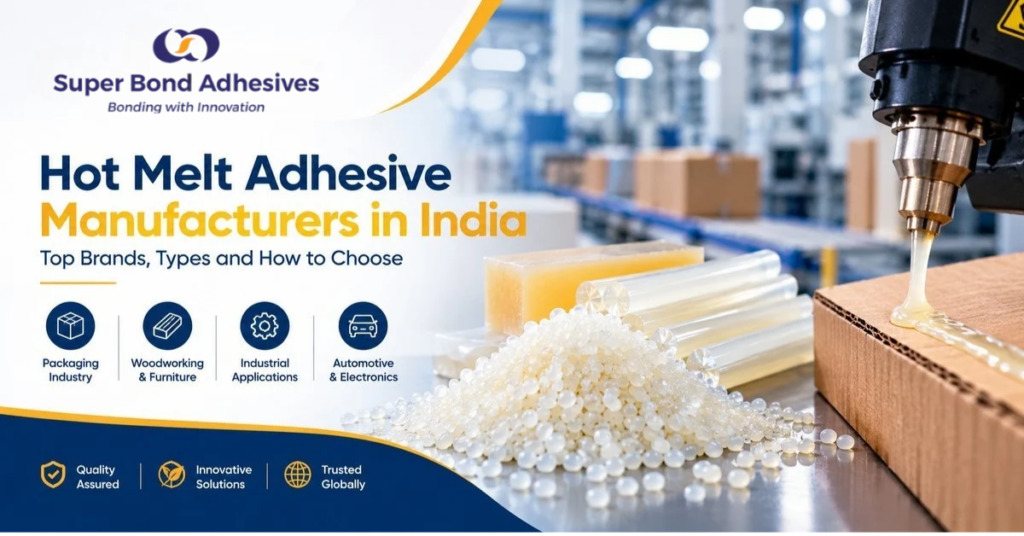
3. Hot Melt Adhesives
Hot melt adhesives are thermoplastic bonding materials applied in a molten condition. They develop bonding strength as they cool and solidify.
They are used in different industrial manufacturing processes, including selected footwear, leather accessory and furniture applications. Hot melt adhesives can support fast production cycles and automated application processes.
The appropriate hot melt formulation depends on the substrate, operating temperature, flexibility requirements and production equipment.
4. Contact Adhesives
Contact adhesives are designed to provide bonding when adhesive-coated surfaces are brought together after the recommended drying or flashing period.
They are useful in certain footwear, upholstery and leather manufacturing applications where immediate bonding strength is important. Correct application and adherence to manufacturer instructions are essential for achieving consistent results.
Applications of Leather Adhesives Across Industries
The demand for reliable leather bonding solutions continues across several manufacturing sectors.
Footwear Manufacturing: Leather adhesives are used for bonding shoe uppers, linings, insoles, soles and other footwear components. Flexible bonding helps footwear withstand repeated movement and everyday use.
Leather Furniture and Upholstery: Furniture manufacturers use adhesives to join leather coverings with foam, fabric and other supporting materials. Proper adhesive selection helps maintain a neat finish and durable construction.
Automotive Interiors: Leather and synthetic leather are used in automotive seats, door panels, dashboards and interior components. Adhesives used in these applications must meet specific requirements for temperature resistance, flexibility and material compatibility.
Leather Bags and Accessories: Handbags, wallets, belts and other accessories require accurate bonding to maintain their appearance and structural strength. Suitable adhesives help manufacturers achieve clean and reliable joints.
Fashion and Garment Industry: Leather garments, decorative components and accessories may require adhesive bonding for attaching linings, patches and different material combinations.
Important Factors to Consider When Choosing Adhesive for Leather
Selecting the right adhesive is an important decision for manufacturers. The following factors can help identify a suitable bonding solution.
- Leather Compatibility: Determine whether the material is natural leather, synthetic leather or a coated leather surface. Different materials may require different adhesive formulations.
- Bonding Strength: Select an adhesive that provides sufficient strength for the intended application and expected product usage.
- Flexibility: Leather products frequently experience bending and movement. The adhesive should maintain an appropriate level of flexibility without cracking or losing adhesion.
- Drying and Curing Time: Manufacturing speed is important for industrial production. Consider the adhesive’s recommended drying, setting and curing requirements.
- Environmental Resistance: Evaluate exposure to moisture, heat, temperature changes and other environmental conditions.
- Application Method: Check whether the adhesive is suitable for brushing, spraying, roller coating or automated industrial application.
- Production Requirements: Consider equipment compatibility, application temperature, open time and overall manufacturing efficiency.
Benefits of Using the Right Leather Adhesive
Using an appropriate adhesive can improve the quality and performance of leather products in several ways.
- Reliable Bonding: Helps create strong joints between compatible materials.
- Improved Flexibility: Supports products that experience regular bending and movement.
- Better Product Durability: Helps maintain bonding performance during normal product usage.
- Manufacturing Efficiency: Suitable industrial adhesives can improve production consistency and workflow.
- Improved Appearance: Proper application helps manufacturers achieve clean joints and professional finishing.
- Material Versatility: Certain adhesive formulations can bond leather with rubber, foam, fabric and other compatible substrates.
Why Choosing the Right Adhesive Manufacturer Matters
Working with an experienced adhesive manufacturer can help businesses identify suitable bonding solutions for their production requirements. Manufacturers should consider product consistency, technical support, application guidance and the ability to meet specific industrial needs.
Superbond Adhesives is an adhesive manufacturing company established in 1974, with more than four decades of experience in developing adhesive solutions for different industries and applications.
With a commitment to quality, customer satisfaction and continuous improvement, Superbond focuses on providing adhesive solutions that address different manufacturing requirements. Its experience in industrial adhesive technologies, including hot melt, rubber-based and water-based adhesive solutions, supports businesses looking for suitable bonding options.
When selecting an adhesive for leather, manufacturers should discuss their substrate combinations, production conditions and performance expectations with an experienced adhesive supplier to identify the most appropriate formulation.
Conclusion
Selecting the right adhesive for leather is essential for producing durable, flexible and high-quality leather products. From footwear and furniture to automotive interiors and fashion accessories, different applications require bonding solutions with specific performance characteristics.
Understanding adhesive technologies such as rubber-based adhesives, water-based adhesives, hot melt adhesives and contact adhesives can help manufacturers make informed decisions. By considering material compatibility, flexibility, bonding strength and production requirements, businesses can achieve more reliable manufacturing results.
Choosing an experienced adhesive manufacturing partner like Superbond Adhesives can also help businesses explore suitable industrial bonding solutions and improve their overall production processes.