Knee discomfort can interfere with many everyday activities, including walking, climbing stairs, standing for extended periods, exercising, and participating in recreational sports. Because the knee supports much of the body’s weight and plays an essential role in movement, even a relatively minor problem can affect overall mobility and quality of life. Injuries, muscle weakness, joint stiffness, overuse, and age-related changes can all contribute to knee problems. Knee Pain Physical Therapy offers a structured rehabilitation approach that helps address movement limitations, improve muscular support, and restore functional abilities through carefully selected exercises and treatment techniques.
The right rehabilitation program focuses on more than temporary symptom relief. It aims to identify contributing movement problems, improve joint stability, strengthen surrounding muscles, and help patients return to their normal activities safely. Treatment may be beneficial for individuals experiencing discomfort from sports injuries, arthritis, ligament problems, postoperative recovery, or general mobility limitations. Since every patient has different physical needs and recovery goals, a personalized treatment plan is essential. Understanding the techniques used in rehabilitation can help patients recognize how physical therapy supports healthier knee function and long-term mobility.
Understanding Common Causes of Knee Pain
Knee discomfort can develop for several reasons, making an accurate assessment important before beginning rehabilitation. Sports injuries may involve damage to ligaments, tendons, cartilage, or other structures that support the joint. Sudden twisting movements, falls, and direct impacts can cause injuries that affect stability and movement. Repetitive activities such as running, jumping, or frequent stair climbing may also contribute to overuse-related discomfort. Other common causes include osteoarthritis, muscle imbalances, reduced flexibility, and weakness in the quadriceps, hamstrings, or hip muscles. In some cases, problems involving the foot, ankle, or hip can influence how forces move through the lower body and place additional stress on the knee. A physical therapist evaluates symptoms, medical history, movement patterns, and functional limitations to understand which factors may be contributing to the problem. This information helps guide an appropriate rehabilitation strategy rather than relying on exercises that may not address the underlying issue.
Strengthening the Quadriceps for Better Knee Support
The quadriceps muscles, located at the front of the thigh, play a major role in supporting knee movement and controlling activities such as walking, standing, and climbing stairs. When these muscles become weak, the knee may have difficulty managing everyday physical demands. Strengthening exercises are therefore an important part of many rehabilitation programs. Depending on the patient’s condition and tolerance, a therapist may introduce controlled quadriceps contractions, straight-leg raises, supported knee extensions, or carefully progressed sit-to-stand exercises. These activities help improve muscle activation and build the strength needed for functional movement. As the patient becomes stronger, exercises may gradually become more challenging through increased resistance or additional repetitions. Proper technique is important because uncontrolled movements can place unnecessary stress on the joint. A physical therapist monitors alignment, movement quality, and comfort to ensure that exercises remain appropriate for the patient’s recovery stage. Consistent strengthening can improve muscular support and make daily activities more manageable.
Improving Hamstring and Hip Muscle Strength
Although the quadriceps receive considerable attention during knee rehabilitation, the hamstrings and hip muscles are equally important for lower-body stability. The hamstrings help control knee movement and support activities involving bending and straightening the leg. Meanwhile, the gluteal muscles and other hip stabilizers help maintain proper alignment of the lower extremity during walking, running, and standing. Weakness in these areas can contribute to inefficient movement patterns and may increase stress on the knee during certain activities. Rehabilitation exercises may include supported hamstring curls, bridges, hip abduction movements, and controlled resistance exercises. Patients may also perform functional activities designed to improve coordination between the hip, thigh, and lower leg. These exercises are selected according to individual strength levels and the nature of the knee problem. By improving strength throughout the lower body, patients can develop better movement control and support more balanced joint mechanics. This comprehensive approach is particularly useful for individuals returning to physical activities after an injury.
Restoring Flexibility and Knee Joint Mobility
Stiffness and restricted movement can make it difficult to bend or straighten the knee comfortably. Limited mobility may develop after an injury, surgery, prolonged inactivity, or certain joint conditions. Physical therapy often incorporates gentle mobility exercises and stretching techniques to improve flexibility and encourage controlled joint movement. Depending on the patient’s needs, treatment may involve heel slides, supported knee bends, gentle extension exercises, and stretching of the surrounding muscles. Therapists may also use appropriate hands-on techniques when restricted soft tissue or joint mobility contributes to movement limitations. The intensity of these activities should match the patient’s condition, particularly when recovering from surgery or an acute injury. Forcing a joint beyond its comfortable range can aggravate symptoms, so gradual progression is important. Improved flexibility can make activities such as walking, sitting, standing, and climbing stairs easier to perform. Restoring mobility alongside strength helps create a more balanced rehabilitation program and supports better functional performance.
Developing Balance and Joint Stability
Knee stability is essential for maintaining control during everyday movements and more demanding physical activities. Patients recovering from an injury may experience weakness, reduced coordination, or difficulty trusting the affected leg. Balance and proprioception exercises help the body recognize joint position and respond appropriately to changes in movement or surface conditions. A therapist may begin with simple supported standing activities before progressing to single-leg balance exercises or controlled weight-shifting movements. Depending on the patient’s ability, rehabilitation may also include step exercises, resistance-band activities, and movement drills that challenge coordination. These exercises help improve communication between the nervous system and the muscles responsible for controlling the knee. Better balance can support safer walking, improve confidence, and reduce the likelihood of losing control during everyday activities. The therapist adjusts the difficulty according to the patient’s progress, ensuring that exercises remain challenging without creating unnecessary risk. Stability training is especially valuable for individuals returning to sports or activities that involve quick changes in direction.
Using Functional Training to Improve Everyday Movement
Strength and flexibility gains become more useful when patients can apply them to real-life activities. Functional training focuses on movements that people regularly perform, such as standing from a chair, stepping onto a platform, walking, squatting, and climbing stairs. These activities help patients develop the coordination and physical control needed for daily independence. A therapist may begin with modified movements that reduce stress on the knee before gradually increasing the difficulty as strength and tolerance improve. For example, a patient who struggles with stairs may practice controlled step-ups and step-downs while focusing on proper alignment. Someone preparing to return to recreational sports may eventually progress to more advanced movement drills when clinically appropriate. Functional training also allows therapists to identify movement habits that may contribute to discomfort or reduced performance. With consistent practice and proper supervision, patients can improve confidence in their physical abilities and become better prepared to manage everyday demands.
Creating a Personalized and Progressive Rehabilitation Plan
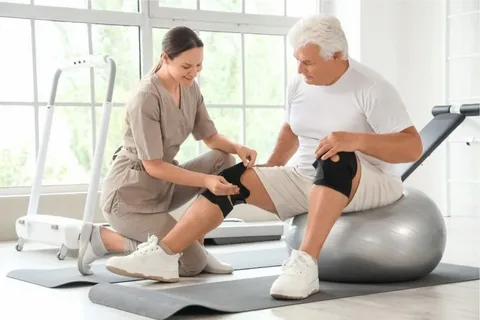
Every knee condition requires an approach that reflects the patient’s symptoms, physical abilities, medical history, and recovery objectives. Knee Pain Physical Therapy generally begins with an assessment of joint movement, muscle strength, flexibility, balance, and functional performance. The therapist uses these findings to establish realistic goals and select suitable treatment techniques. Early rehabilitation may emphasize symptom management, gentle movement, and basic muscle activation, while later stages may focus on resistance training, coordination, and more demanding functional activities. Progress should be based on the patient’s response rather than a fixed schedule. If exercises consistently increase discomfort or cause unusual swelling, the treatment plan may need reassessment. Patients are also commonly given home exercises to support progress between appointments. Following professional guidance, maintaining consistency, and communicating changes in symptoms can help make rehabilitation more effective. A progressive plan provides structure while allowing adjustments as the knee becomes stronger and more capable.
Conclusion
Knee problems can affect mobility, independence, and participation in activities that are important to everyday life. A well-designed rehabilitation program can help address these challenges by improving muscle strength, restoring flexibility, developing balance, and rebuilding functional movement skills. Effective treatment begins with understanding the cause of discomfort and selecting techniques that match the patient’s condition and recovery goals. Knee Pain Physical Therapy provides a structured way to work toward better joint support and improved physical performance through individualized exercises and professional guidance. With appropriate assessment, consistent participation, and gradual progression, many individuals can improve their ability to move comfortably and return to meaningful daily activities. Consulting a qualified physical therapist is a valuable step toward developing a safe and practical plan for healthier knee function.