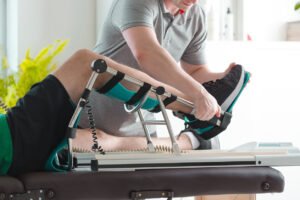
Persistent shoulder stiffness can make everyday activities harder than they should be. Reaching into a cabinet, putting on a shirt, driving, or sleeping comfortably may become frustrating when your shoulder does not move freely. Shoulder pain physical therapy in Woodstock can help improve joint mobility, build strength, and support a gradual return to normal activities.
If stiffness continues or limits your routine, seeking shoulder pain relief in Woodstock Georgia can be an important step toward recovery. A qualified physical therapist can assess your movement, identify possible contributing factors, and recommend exercises suited to your condition. With the right approach, you may improve flexibility, reduce discomfort, and feel more confident using your arm throughout the day.
Understanding Persistent Shoulder Stiffness
Shoulder stiffness can develop gradually or appear after an injury, illness, or period of reduced movement. It may affect your ability to lift your arm, reach behind your back, or rotate your shoulder comfortably.
Common Reasons Your Shoulder Feels Stiff
Several conditions can limit shoulder movement. Frozen shoulder causes pain and progressive stiffness, while rotator cuff problems may make lifting your arm uncomfortable. Arthritis, tendon irritation, and previous shoulder injuries can also affect flexibility.
Sometimes, people move their shoulder less because of pain. Over time, reduced movement may contribute to further stiffness and weakness.
When Should You Seek Professional Care?
Consider an evaluation if stiffness persists, interferes with daily tasks, or gradually worsens. Shoulder pain physical therapy in Woodstock can help determine which movements need attention and whether rehabilitation may be appropriate.
Seek prompt medical care after a serious injury, sudden loss of strength, or severe pain. Chest discomfort, shortness of breath, or shoulder pain accompanied by sweating requires emergency attention because these symptoms can indicate a serious medical problem.
How Physical Therapy Helps Restore Shoulder Mobility
Physical therapy uses guided movement and strengthening exercises to improve how your shoulder functions. Treatment depends on the cause of stiffness, your current range of motion, and your recovery goals.
Gentle Exercises for Better Flexibility
Your therapist may recommend controlled arm raises, assisted shoulder movements, or gentle stretching. These activities can help improve flexibility without placing unnecessary strain on sensitive tissues.
For some people, small movements performed consistently are more useful than forceful stretching. Your therapist can show you how to move safely and adjust exercises when discomfort increases.
Strengthening the Muscles Around the Joint
The rotator cuff and shoulder blade muscles help stabilize the shoulder during everyday activities. When these muscles become weak, lifting and reaching may feel more difficult.
Shoulder pain physical therapy in Woodstock may include light resistance exercises and controlled movements to rebuild strength. Progress should be gradual, with exercises adjusted as your comfort and movement improve. Avoid forcing your arm through sharp pain, since this can aggravate symptoms.
Recognizing the Impact of Shoulder Stiffness on Daily Life
Shoulder stiffness affects more than athletic performance. It can interfere with work, household responsibilities, personal care, and rest. Recognizing these limitations helps your therapist develop practical treatment goals.
Making Everyday Tasks Easier
You may struggle to wash your hair, fasten clothing, reach high shelves, or carry groceries. Repeated discomfort can also make you rely more heavily on your other arm, potentially placing extra strain on your neck or opposite shoulder.
Rehabilitation can include movements that reflect these daily tasks. Practicing controlled reaching, lifting lightweight objects, and improving shoulder coordination can help prepare you for activities outside the clinic.
Improving Sleep and Comfort
Shoulder discomfort may make it difficult to sleep on the affected side. Your therapist may discuss sleeping positions, pillow support, and ways to avoid unnecessary pressure on the joint.
Shoulder pain physical therapy in Woodstock can address the movement limitations affecting your routine. Progress varies by condition, but consistent practice and appropriate activity changes may help you regain confidence and improve comfort over time.
What to Expect During Shoulder Rehabilitation
Your first appointment typically includes questions about your symptoms, medical history, daily activities, and recovery goals. The therapist may examine your shoulder range of motion, muscle strength, posture, and ability to perform specific movements.
Building a Plan Around Your Needs
Treatment may include therapeutic exercise, mobility training, manual therapy when appropriate, and advice about managing daily activities. Your therapist may also explain which movements to limit temporarily and how to return to them safely.
Shoulder pain physical therapy in Woodstock should reflect your symptoms and progress rather than follow the same routine for everyone. If your stiffness follows surgery, your plan must also respect your surgeon’s restrictions.
Supporting Progress at Home
Home exercises can help maintain progress between appointments. Follow the recommended schedule and ask for clarification if a movement feels uncomfortable or confusing.
Avoid increasing resistance or stretching intensity without guidance. Your therapist can update your exercises as your shoulder becomes stronger and more flexible.
Preventing Shoulder Stiffness From Returning
Maintaining shoulder movement and strength can support long term joint function. Regular, appropriate activity may also help reduce the effects of prolonged inactivity.
Useful habits include:
- Take movement breaks during long periods of sitting.
- Warm up before exercise or demanding physical tasks.
- Increase overhead activity gradually.
- Practice recommended shoulder mobility exercises.
- Use safe lifting techniques.
- Maintain the strength of your shoulder and upper back muscles.
Shoulder pain physical therapy in Woodstock can teach you movement strategies that fit your work, hobbies, and daily responsibilities. If stiffness returns or your movement begins to decline, arrange an assessment rather than ignoring the changes.
Frequently Asked Questions
What causes persistent shoulder stiffness?
Common causes include frozen shoulder, arthritis, rotator cuff conditions, tendon irritation, and reduced movement after an injury.
Can physical therapy help a frozen shoulder?
Physical therapy may help improve movement and function. Treatment intensity depends on the stage of frozen shoulder and your pain levels.
How long does shoulder rehabilitation take?
Recovery varies depending on the cause and severity of stiffness. Some people improve within weeks, while other conditions require several months of care.
Should I stretch a stiff shoulder every day?
Your therapist may recommend regular gentle movement, but the correct frequency depends on your condition. Avoid aggressive stretching that increases pain.
When should I seek help for shoulder pain?
Arrange an assessment when stiffness persists, limits daily activities, or worsens. Seek urgent care for serious injuries or sudden, severe symptoms.
Take the First Step Toward Easier Movement
Persistent shoulder stiffness does not have to control your daily routine. Shoulder pain physical therapy in Woodstock can help improve flexibility, restore strength, and make everyday movements more comfortable. For professional guidance based on your symptoms and goals, contact FYZICAL Therapy and Balance Centers Hickory Flat to discuss your shoulder concerns and arrange an evaluation. Call today to take the next step toward better movement and lasting function.