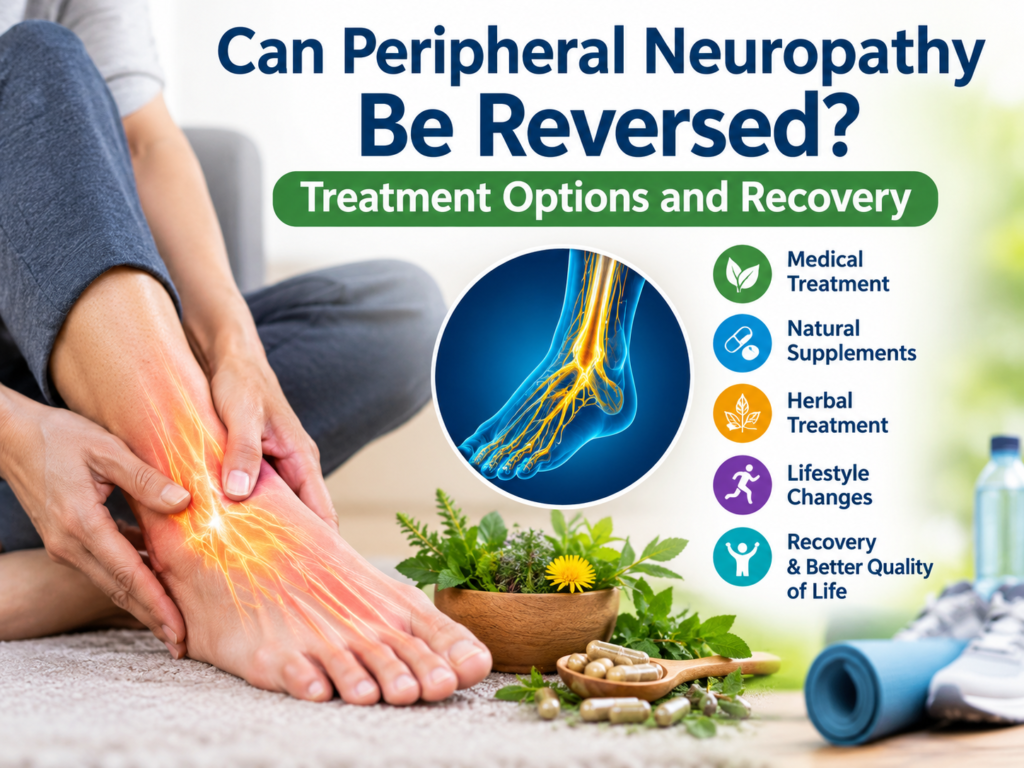
Peripheral neuropathy affects the nerves outside the brain and spinal cord, often causing numbness, tingling, burning pain, muscle weakness, and reduced sensation in the hands and feet. Many people ask, Can Peripheral Neuropathy Be Reversed, especially when symptoms begin interfering with walking, sleeping, or everyday activities. The answer depends on the underlying cause, how much nerve damage has occurred, and how early treatment begins. In some cases, nerve function can improve significantly, while other cases require long-term symptom management. Natural Supplements for Peripheral Neuropathy may help address certain nutritional deficiencies when appropriately selected, but they are not a guaranteed cure.
Understanding the condition is the first step toward making informed treatment decisions. Although nerve damage can sometimes be permanent, identifying the cause and treating it promptly may prevent further injury and improve quality of life. A combination of medical care, healthy lifestyle habits, physical activity, and appropriate nutritional support can help many people manage their symptoms.
What Is Peripheral Neuropathy?
Peripheral neuropathy describes damage or dysfunction affecting one or more peripheral nerves. These nerves carry messages between the brain, spinal cord, skin, muscles, and internal organs. When they do not function correctly, the body may struggle to interpret sensations or control certain movements.
Peripheral neuropathy can affect sensory nerves, motor nerves, or autonomic nerves. Sensory nerve damage may cause tingling, burning, or numbness. Motor nerve damage can lead to weakness, cramps, and difficulty maintaining balance. Autonomic nerve damage may affect sweating, digestion, blood pressure, or bladder function.
Symptoms often begin in the toes and feet before spreading upward, although the pattern varies according to the cause. Some people experience mild discomfort, while others develop significant pain or difficulty walking.
Can Peripheral Neuropathy Be Reversed?
The possibility of reversing peripheral neuropathy depends mainly on its cause and severity. Nerves can sometimes recover when the underlying problem is corrected, particularly if treatment begins before substantial permanent damage develops.
For example, neuropathy caused by a vitamin B12 deficiency may improve when the deficiency is properly treated. Similarly, stopping exposure to certain nerve-damaging substances or correcting another treatable medical problem may help prevent additional damage and allow some recovery.
However, neuropathy associated with longstanding diabetes, inherited conditions, severe nerve injuries, or advanced nerve degeneration may not be completely reversible. Treatment can still reduce pain, improve mobility, and protect remaining nerve function.
When considering whether peripheral neuropathy can be reversed, remember that improvement may take weeks or months, and some nerve injuries recover slowly. The absence of immediate improvement does not necessarily mean treatment has failed.
An important goal is to identify the cause as early as possible. A healthcare professional may recommend blood tests, a neurological examination, nerve conduction studies, or other investigations based on the symptoms and medical history.
Common Causes of Peripheral Neuropathy
Finding the cause is essential because different types of nerve damage require different treatments. Several conditions and lifestyle factors can contribute to peripheral neuropathy.
- Diabetes and High Blood Sugar
Diabetes is one of the most common causes of peripheral neuropathy. Persistently high blood sugar can damage nerves and the small blood vessels that supply them. Managing blood glucose, blood pressure, and cholesterol can help reduce the risk of further damage.
- Vitamin Deficiencies
Low levels of vitamin B12 can interfere with normal nerve function. Deficiencies in other nutrients may also contribute to neurological problems. Blood tests can help determine whether a deficiency exists and whether supplementation is appropriate.
Taking extra vitamins without confirming a need is not always beneficial. Excess vitamin B6, in particular, can itself cause peripheral neuropathy.
- Alcohol and Certain Medications
Long-term heavy alcohol consumption can damage peripheral nerves, sometimes alongside nutritional deficiencies. Certain medications, including some chemotherapy drugs, may also cause nerve problems. Never stop a prescribed medicine without discussing the risks and alternatives with your healthcare professional.
- Autoimmune Conditions and Nerve Injuries
Some autoimmune diseases cause the immune system to attack nerves, while injuries or prolonged pressure can damage individual nerves. Depending on the condition, treatment may involve reducing inflammation, relieving pressure, or supporting nerve recovery.
- Other Medical Conditions
Kidney disease, thyroid disorders, infections, and inherited conditions can also contribute to neuropathy. In some cases, doctors cannot identify a specific cause, even after appropriate testing.
Herbal Treatment for Peripheral Neuropathy: What Should You Know?
Interest in Herbal Treatment for Peripheral Neuropathy has increased because many people want additional ways to manage burning pain, tingling, and discomfort. However, herbal products should be approached carefully. Evidence supporting their ability to reverse nerve damage is limited, and their effects may vary from person to person.
Some complementary approaches may help people cope with chronic pain, but they should not replace diagnosis or proven medical treatment. Before using an herbal product, discuss its ingredients with a qualified healthcare professional, particularly if you take diabetes medication, blood thinners, or other prescription drugs.
Look for products with transparent ingredient lists, reliable quality testing, and realistic claims. Be cautious of supplements advertised as permanent cures or guaranteed nerve-regeneration treatments.
Natural Supplements for Peripheral Neuropathy
Natural Supplements for Peripheral Neuropathy may have a role when a person has a confirmed nutritional deficiency or when a clinician recommends a particular product as part of an overall treatment plan. Supplements are not interchangeable, and research does not establish that any single product reverses every type of neuropathy.
Commonly discussed options include:
- Vitamin B12: Appropriate supplementation can help correct B12 deficiency and support recovery when the deficiency is responsible for nerve problems.
- Vitamin B1 (thiamine): This vitamin is essential for normal nerve function. Treatment may be useful when a deficiency is present.
- Alpha-lipoic acid: Some studies have examined its potential effects on diabetic neuropathy symptoms, but the evidence is mixed and it is not a proven cure.
- Other B vitamins: These may be necessary when deficiencies are identified, but high-dose supplementation can be harmful. Excess vitamin B6 is a particular concern.
Before starting supplements, review your medical history, current medicines, and relevant laboratory results with a clinician. The right approach is to correct a genuine deficiency rather than assume that more vitamins will produce faster nerve healing.
Can Peripheral Neuropathy Be Reversed Naturally?
Natural approaches can support general health and may help prevent certain forms of neuropathy from worsening. However, they cannot reliably reverse established nerve damage on their own.
A balanced diet, appropriate exercise, good blood sugar management, and avoiding excessive alcohol can contribute to better long-term outcomes. People with nutritional deficiencies may benefit from correcting them under medical supervision.
At Herbs Solutions By Nature, readers interested in botanical wellness should prioritize accurate information, responsible product use, and realistic expectations. Herbal products may complement a care plan in selected circumstances, but claims about reversing neuropathy should be supported by strong clinical evidence.
The safest strategy is to combine healthy habits with appropriate medical evaluation. If symptoms are progressing, relying exclusively on natural remedies may delay treatment of a condition that needs urgent attention.
Medical Treatments That May Improve Peripheral Neuropathy
Medical treatment depends on the underlying cause, the affected nerves, and symptom severity. Although not every type of neuropathy can be reversed, appropriate care may improve symptoms and protect remaining nerve function.
- Treating the Underlying Cause
The first priority is addressing the problem responsible for nerve damage. This may involve controlling diabetes, correcting vitamin deficiencies, treating an infection, or managing an autoimmune condition.
If a medicine is suspected of causing neuropathy, a clinician may adjust the dose or recommend an alternative when appropriate.
- Prescription Medication for Nerve Pain
Medicines such as duloxetine, gabapentin, pregabalin, and amitriptyline may help manage neuropathic pain. These treatments primarily target symptoms rather than directly repairing damaged nerves.
The most suitable option depends on the person’s medical history, other medicines, and potential side effects. A clinician can explain the benefits and risks of each treatment.
- Physical Therapy and Rehabilitation
Physical therapy can help improve muscle strength, coordination, flexibility, and balance. Exercises are especially valuable for people who experience weakness or difficulty walking.
A physiotherapist can recommend safe activities and appropriate support devices. People with reduced sensation should avoid exercises that increase the risk of falls or foot injuries.
- Managing Autoimmune Neuropathy
Some inflammatory or autoimmune neuropathies respond to specialized treatments, including corticosteroids, immunoglobulin therapy, or other immune-modifying medicines. These treatments require specialist assessment because they are not appropriate for every form of neuropathy.
Lifestyle Changes That Support Nerve Health
Daily habits can make a meaningful difference in managing neuropathy and reducing the risk of complications.
- Eat a balanced diet: Include vegetables, fruit, whole grains, protein sources, and nutrient-rich foods.
- Exercise regularly: Choose suitable activities such as walking, swimming, or supervised strength exercises.
- Manage blood sugar: Follow your diabetes treatment plan and monitor glucose as recommended.
- Avoid smoking: Smoking can impair circulation and increase health risks.
- Limit or avoid alcohol: This is particularly important when alcohol contributes to nerve damage.
- Protect your feet: Inspect them regularly for cuts, blisters, redness, and sores, especially if sensation is reduced.
- Maintain healthy sleep habits: Adequate sleep can improve energy levels and help you cope with chronic pain.
These changes support overall health, but they should complement rather than replace treatment for the underlying cause.
How Long Does Nerve Recovery Take?
Recovery varies considerably. Some people notice improvement within weeks or months after correcting a vitamin deficiency or removing a contributing factor. Others may need longer treatment and rehabilitation.
The extent of nerve damage, the duration of symptoms, and the person’s general health all influence recovery. Damaged peripheral nerves may regenerate slowly, and substantial injuries may leave lasting problems.
Even when complete recovery is unlikely, effective treatment can reduce discomfort, improve mobility, and help people maintain independence. Regular follow-up appointments allow healthcare professionals to assess progress and adjust treatment when necessary.
When Should You See a Doctor?
Arrange a medical assessment if you experience persistent tingling, numbness, burning pain, unexplained weakness, or balance problems. Early evaluation may help identify a treatable cause.
Seek urgent medical attention if weakness develops suddenly or progresses rapidly, particularly when accompanied by difficulty breathing, swallowing, or walking. A new foot wound, spreading redness, or signs of infection also require prompt attention, especially in people with diabetes.
Frequently Asked Questions
- Can Peripheral Neuropathy Be Reversed Completely?
Sometimes. Reversal is more likely when the underlying cause is treatable and nerve damage has not become severe. Other cases may improve partially or require ongoing symptom management.
- What Is the Best Treatment for Peripheral Neuropathy?
There is no single best treatment for everyone. Correcting the underlying cause, managing blood sugar, treating nutritional deficiencies, and controlling nerve pain are common parts of care.
- Can Vitamins Help Repair Damaged Nerves?
Vitamins can support recovery when a deficiency contributes to nerve damage, particularly vitamin B12. Taking additional vitamins without a deficiency does not guarantee nerve repair, and excessive vitamin B6 can cause nerve damage.
- Are Herbal Remedies Effective for Peripheral Neuropathy?
Some people explore herbal remedies for symptom relief, but strong evidence that herbal products reverse peripheral neuropathy is lacking. Discuss potential interactions and safety concerns with a healthcare professional before use.
- Can Walking Improve Peripheral Neuropathy?
Suitable physical activity may improve strength, balance, fitness, and overall health. However, walking does not necessarily reverse nerve damage. Choose safe activities based on your symptoms and abilities.
- Does Peripheral Neuropathy Get Worse Over Time?
It can, particularly when the underlying cause remains untreated. Some forms stabilize or improve with treatment, while others may progress. Regular medical assessment helps guide care.
- Can Peripheral Neuropathy Be Reversed With Diet Alone?
A healthy diet supports nerve health, but diet alone is unlikely to reverse every type of neuropathy. Specific deficiencies or medical conditions may require targeted treatment.
Conclusion
Can Peripheral Neuropathy Be Reversed? In some cases, yes, particularly when treatment addresses a correctable cause before extensive nerve damage develops. Other forms may not be completely reversible, but medical treatment, physical rehabilitation, appropriate nutrition, and healthy lifestyle changes can improve symptoms and quality of life.
Natural supplements and herbal products should be used thoughtfully, with realistic expectations and professional guidance. The most important step is obtaining an accurate diagnosis rather than relying on a product that promises a cure.
With early assessment, an appropriate treatment plan, and consistent follow-up, many people can manage peripheral neuropathy more effectively and protect their long-term health.