Fall and winter bring changing temperatures, cold mornings, and unpredictable weather. For people who work outdoors, choosing the right clothing is essential. The right workwear helps you stay comfortable, move freely, and prepare for changing conditions throughout the day.
Layering workwear for fall and winter is a practical way to manage changing temperatures. Instead of relying on one heavy jacket, you can combine lightweight clothing, insulating layers, and weather-resistant outerwear. This approach makes it easier to adjust your clothing as the weather and your workload change.
1. Start with a Comfortable Base Layer
The base layer sits next to your skin. Its main purpose is to manage moisture and help regulate your body temperature.
During physical work, you may sweat even when the weather is cold. However, damp clothing can make you uncomfortable when temperatures drop.
Choose a breathable shirt or moisture-wicking base layer for active work. Long-sleeve shirts provide extra coverage during cooler mornings. Meanwhile, lightweight options work well when temperatures rise later in the day.
Brands such as Carhartt and Ariat offer workwear options worth exploring. Choose a fabric that suits your activity level and the conditions in which you work.
2. Add a Mid Layer for Warmth
The mid layer helps retain body heat. It should keep you warm without restricting movement.
Hoodies, sweatshirts, flannel shirts, and work shirt jackets are useful choices for fall and early winter. For example, a lightweight sweatshirt may be enough for an active shift. On colder days, a heavier layer can provide additional warmth.
Carhartt and Ariat offer a range of workwear styles to consider when building your seasonal wardrobe.
Choose a mid layer that you can easily remove when temperatures rise. This is especially useful if you move between indoor and outdoor work areas.
3. Choose an Outer Layer for Wind and Rain
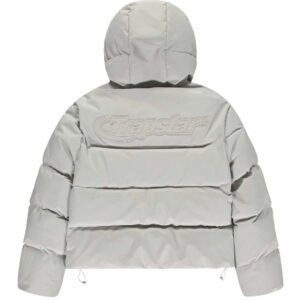
Your outer layer helps protect you from wind, rain, and cold air. As winter approaches, the right jacket becomes increasingly important.
Consider your working conditions before choosing outerwear.
- For windy weather: Choose a jacket designed to block wind.
- For rainy conditions: Look for water-resistant or waterproof materials.
- For cold outdoor shifts: Consider insulated jackets or lined workwear.
- For changing temperatures: Choose a lighter jacket that works well over removable layers.
Carhartt work jackets are one option to explore when looking for durable workwear. However, weather protection varies by product, so check the garment’s specifications before buying.
If your job requires high-visibility clothing or flame-resistant workwear, make sure your layers meet the applicable workplace safety requirements.
4. Choose Work Pants and Boots for Winter
Layering does not stop at your upper body. Your work pants, socks, and boots also affect comfort during cold weather.
Look for work pants that provide durability and allow you to bend, climb, and move comfortably. Brands such as Carhartt, Ariat, and Wrangler offer workwear options to consider.
Next, choose socks that suit the temperature and your boots. However, avoid wearing socks so thick that your footwear becomes tight. A proper fit helps maintain comfort during long shifts.
Your work boots should also match your environment. Waterproof boots can help in wet conditions, while insulated styles provide extra warmth in colder environments.
If your job requires safety-toe footwear or slip-resistant soles, check the product specifications to ensure the boots meet your workplace requirements.
5. Adjust Your Layers Throughout the Day
One common mistake is dressing for the morning temperature and wearing the same layers all day.
Instead, check the weather forecast before leaving for work. Start with a comfortable base layer and add insulation according to the conditions.
When your activity level increases, remove a layer if you begin to overheat. Conversely, add a layer during breaks or when temperatures drop.
It is also useful to carry spare socks or a dry shirt when practical. This can help if your work involves rain, mud, or prolonged outdoor exposure.
6. Maintain Your Workwear During the Season
Proper care helps your workwear last longer. It also helps maintain comfort and performance throughout fall and winter.
Follow the care instructions on each garment. This is particularly important for insulated jackets, waterproof fabrics, and specialized protective clothing.
Inspect your clothing regularly for worn seams, damaged fasteners, and other signs of wear. In addition, allow damp garments to dry thoroughly before storing them.
Check your work boots for worn soles, damaged stitching, and signs of water penetration. Replace or repair footwear when its condition affects comfort, protection, or safety.
Build a Workwear System for Changing Weather
Preparing for colder weather does not mean wearing the heaviest clothing available. Instead, combine a breathable base layer, a warm mid layer, and an outer layer suited to your working conditions.
Add durable work pants, comfortable socks, and appropriate work boots to complete your setup. Then adjust your layers as temperatures and activity levels change.
Brands such as Carhartt, Ariat, and Wrangler offer options to explore when building a seasonal workwear wardrobe. At Chuck’s Boots, you can browse available workwear and footwear to find products suited to your needs.
With the right combination of layers, you can prepare for changing fall and winter conditions while staying comfortable and ready for the workday.