Community support programs play an important role in helping individuals navigate everyday challenges, develop meaningful relationships, and access resources that support their well-being. From recreational activities and peer support to food assistance and social services, these programs create opportunities for people to feel connected and supported.
For individuals experiencing financial difficulties, social isolation, mental health challenges, or other personal obstacles, access to reliable community resources can make a meaningful difference. Understanding how these programs work and what they offer can help individuals and families find appropriate support when they need it.
What Are Community Support Programs?
Community support programs are organized services and activities designed to improve people’s quality of life. They may be offered by nonprofit organizations, community centers, charities, and other service providers that aim to address social, emotional, and practical needs.
Depending on the organization, available services may include access to nutritious meals, recreational opportunities, counseling referrals, employment assistance, educational workshops, and opportunities to connect with others.
Unlike services that focus on only one issue, some community programs take a broader approach. They recognize that a person’s well-being can depend on several connected factors, including financial stability, social relationships, physical health, and access to essential resources.
These programs can help people identify available options, build confidence, and take practical steps toward greater independence.
Why Community Support Programs Matter
Reducing Social Isolation
Loneliness and social isolation can affect people at different stages of life. Individuals who live alone, experience financial hardship, or face major life changes may find it difficult to maintain regular social connections.
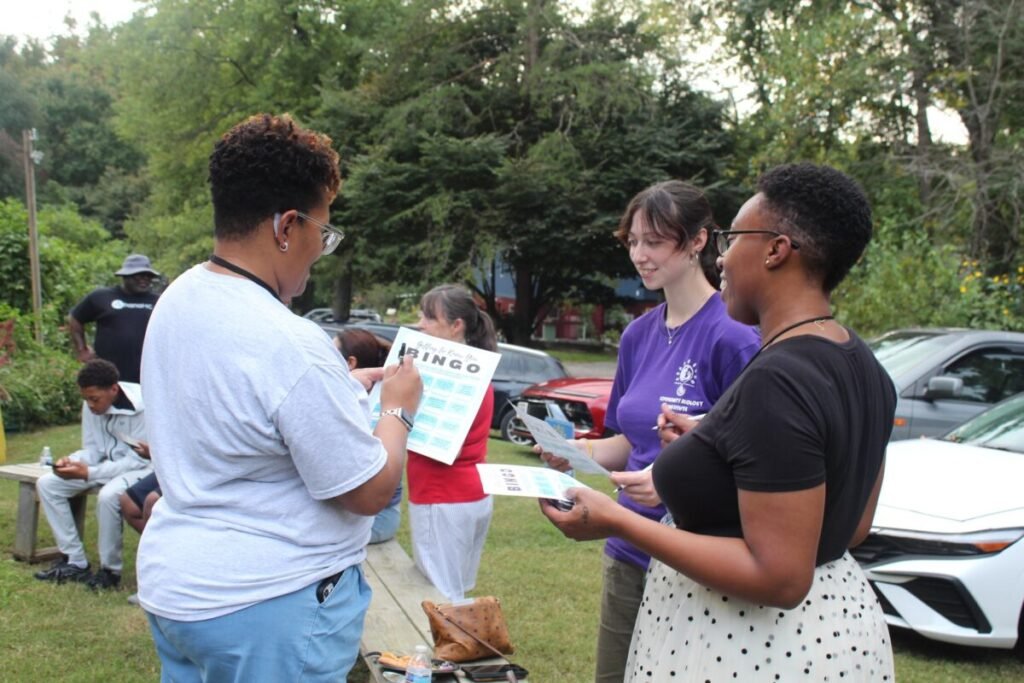
Community activities provide welcoming environments where people can meet others, share experiences, and develop friendships. Regular participation can also create a sense of routine and belonging.
Whether through group recreation, shared meals, or informal conversations, these interactions help people feel more connected to the world around them.
Improving Access to Essential Resources
Accessing basic necessities can become challenging when someone faces unemployment, housing insecurity, limited income, or unexpected expenses. Community organizations can help individuals understand which resources are available and how to access them.
Depending on their services, these organizations may provide meals, referrals to housing resources, information about public benefits, or connections to other support agencies.
Having a starting point can reduce confusion and make it easier for people to identify practical solutions. Even when an organization cannot directly provide a particular service, appropriate referrals may help individuals find the assistance they need.
Supporting Emotional and Mental Well-Being
A supportive environment can help individuals feel heard, respected, and less alone when dealing with difficult circumstances. Peer connections, structured activities, and access to appropriate services can contribute to emotional well-being.
Community programs are not a substitute for professional mental health treatment when it is needed. However, they can complement professional care by helping people establish social connections, participate in meaningful activities, and develop a stronger support network.
Common Types of Community Support Services
Community organizations offer different services depending on their resources, objectives, and the needs of the people they serve.
Recreation and social activities: Group activities, creative workshops, and recreational opportunities encourage participation, promote social interaction, and provide enjoyable ways to spend time.
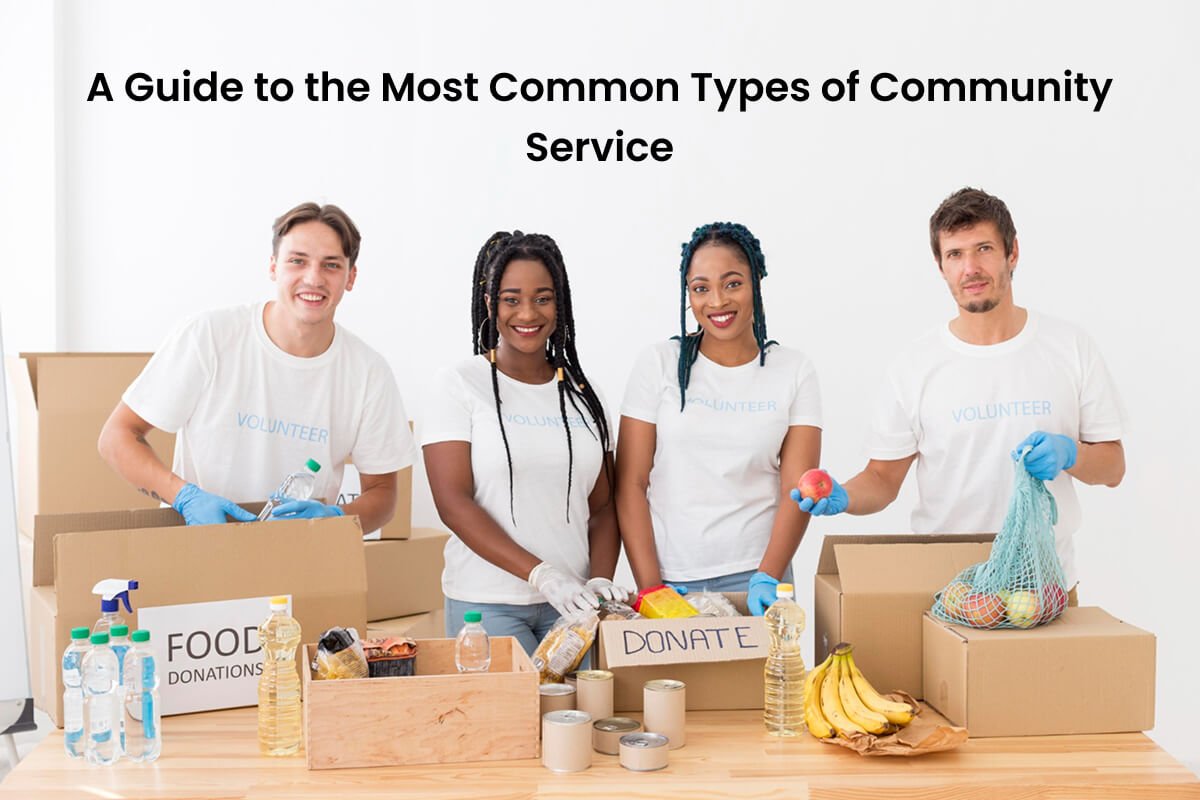
Food and basic-needs assistance: Some programs help people access meals, food resources, and other essential supplies during periods of financial difficulty.
Peer support and community engagement: Peer-based activities allow individuals to connect with others who may have faced similar challenges. These interactions can encourage understanding and reduce feelings of isolation.
Information and service referrals: Organizations may help people navigate available social services, understand eligibility requirements, and connect with specialized providers.
Skills development and practical guidance: Certain programs offer educational activities, workshops, or employment-related resources that help participants strengthen their skills and explore future opportunities.
The services available vary, so individuals should check each organization’s current offerings before making plans.
How PARC Contributes to Community Well-Being
The Parkdale Activity-Recreation Centre (PARC) is an example of a community-based organization focused on supporting people through programs and services that encourage participation, connection, and well-being.
For individuals exploring community resources, understanding an organization’s approach can help them determine whether its programs align with their circumstances and needs. Services that combine practical assistance with social engagement can be particularly valuable because they recognize that support involves more than addressing immediate challenges.
People interested in learning about the activities and services offered by PARC can explore its programs and community support resources. Reviewing the available information is a useful first step toward understanding which opportunities may be appropriate.
Community organizations such as PARC also illustrate the value of creating environments where individuals can participate, build relationships, and access support without being defined solely by the challenges they face.
How to Choose the Right Community Support Program
Finding a suitable program begins with identifying the kind of assistance that would be most helpful.
Identify Your Priorities
Consider whether you need practical resources, social connections, recreational opportunities, information about other services, or a combination of these options. Having a clear idea of your priorities makes it easier to compare available programs.
Review Eligibility and Accessibility
Some services have eligibility requirements, registration procedures, limited capacity, or specific operating schedules. Check whether the program is open to new participants and whether its arrangements meet your needs.
Accessibility also matters. Consider transportation, physical access, language requirements, and whether the service format is comfortable for you.
Ask About Available Support
If information online is unclear, contact the organization directly. Ask what services are currently available, how participation works, whether fees apply, and what documents or referrals may be required.
You can also ask whether the organization provides referrals if its programs do not address your particular needs.
Start With One Meaningful Step
It is not necessary to participate in every available activity immediately. Starting with a single service, introductory visit, or group activity can make the process more manageable.
As your needs change, you can explore additional resources or adjust your participation accordingly.
The Role of Community Participation in Long-Term Well-Being
Effective community support depends not only on the services an organization provides but also on how people are welcomed and included. Respectful inter.actions, accessible activities, and opportunities for participants to contribute can help create stronger relationships between individuals and their communities.
Community members can support these efforts by volunteering, sharing reliable information about available services, participating in organized activities, or helping others understand where to find assistance.
Organizations also benefit from listening to participants and adapting their programs to changing needs. This approach can help services remain relevant, practical, and responsive.
Conclusion
Community support programs help people access essential resources, strengthen social connections, and discover opportunities for personal growth. By combining practical assistance with recreation, peer engagement, and service referrals, these programs can address several aspects of well-being.
The most suitable program depends on an individual’s circumstances, priorities, and available options. Taking time to explore services, ask questions, and begin with a manageable step can make it easier to find meaningful support.
Ultimately, strong community programs create more than access to services. They help build environments where people can feel included, develop connections, and move forward with greater confidence.