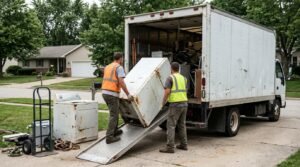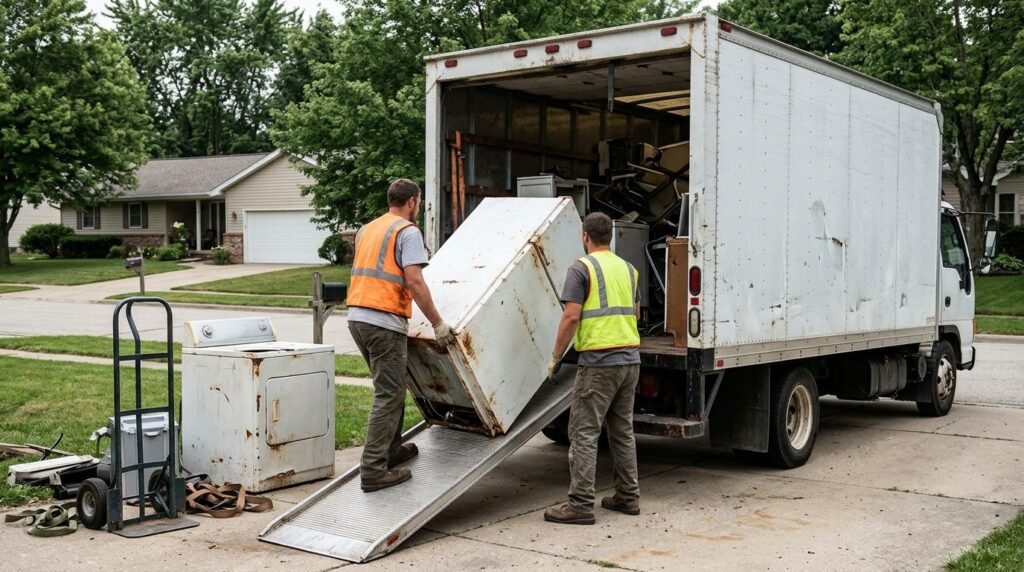
Replacing an old appliance can feel simple until it needs to leave the house. Large machines are heavy, awkward, and often difficult to move through doors or narrow spaces. Appliance Removal & Disposal involves more than lifting an item and carrying it away. The process can include preparation, safe handling, transport, recycling, and proper disposal. Understanding these steps helps prevent damage and reduces avoidable stress.
Whether you need old appliance removal after a replacement or broken appliance disposal after a fault, planning makes the job easier. Refrigerator removal may need extra care because of its size and internal components. Likewise, washer and dryer removal can require careful disconnection and handling. Knowing what to expect helps you prepare your home and choose a suitable removal option.
Why Old Appliances Often Need Careful Removal
Large household machines can create several challenges during removal. Their weight makes them difficult for one person to move safely. Their shape can also make stairs, doorways, and tight corners harder to manage. A refrigerator may need more room to turn, while a washing machine can be especially awkward because of its weight and balance.
Careful handling also protects nearby walls, floors, doors, and other fixtures. Before moving anything, check the route from the appliance to the exit. Remove loose objects from the path and keep children and pets away from the work area. If an appliance is connected to water, electricity, or gas, it should be disconnected safely before movement begins.
Which Old Appliances Need Special Care Inside
Some appliances are simple to move, while others need more planning. Their size, weight, connections, and internal parts can affect the removal process. Two common groups often require extra attention when leaving a home.
Refrigerators Need More Preparation
Refrigerators are large and difficult to manoeuvre through tight spaces. Before moving one, remove food, shelves, drawers, and loose items from inside. Defrosting may also be needed if ice has built up inside the unit. Water lines should be disconnected where applicable, and the floor around the appliance should be kept dry. It is also useful to measure doorways before attempting the move. This can prevent problems when the appliance reaches a narrow opening. When homeowners prepare refrigerators for appliance removal service, they should also check whether doors need extra protection during movement. Careful preparation reduces the chance of spills, scratches, or damage to nearby surfaces.
Washers And Dryers Need Safe Handling
Washers and dryers can be heavy and difficult to control during movement. A washing machine may have water hoses that need to be disconnected and drained first. Dryers may have electrical or gas connections that require appropriate handling before removal. Loose hoses, cords, and fittings should be secured so they do not catch during transport. The machines should also be checked for trapped water or debris. If several appliances are being removed together, keeping them separated can make loading easier. Anyone moving these machines should consider their weight and route before starting. Poor handling can damage flooring, walls, doors, or the appliance itself.
How To Prepare Appliances Before Removal With
Preparation can make the whole removal process faster and safer. Start by emptying the appliance and removing anything that could fall during movement. Keep manuals, accessories, or reusable parts aside if they are still needed. Next, check all connections and arrange for suitable disconnection where required.
The route should then be cleared from the appliance to the exit point. Measure narrow doorways and check for stairs or sharp turns. Protect fragile flooring where necessary. If you plan to remove old appliances before kitchen upgrades, early planning can also help prevent delays during renovation work. Good preparation gives the removal process a clear starting point.
Where Old Appliances Should Go After Removal?
Once an appliance leaves the property, it still needs a suitable destination. Working machines may sometimes be reused, donated, or sold if their condition allows. However, damaged appliances may need recycling or controlled disposal instead. The right option depends on the appliance type and its condition.
Refrigerators, washing machines, dryers, ovens, and other machines contain different materials and components. Some parts can be recovered for recycling, while others require specific handling. Proper disposal helps keep bulky items out of unsuitable waste streams. When households collect broken household appliances for disposal, they should check which local facilities accept each type before arranging transport.
What Costs Can Shape Your Removal Budget Plan
The cost of removing an appliance can vary because every job has different requirements. A small household item may be easier to move than a large refrigerator or several heavy machines. Distance, access, labour, and the number of appliances can all affect the final amount.
One Appliance Versus Several Items
Removing one appliance usually involves less loading work than clearing several machines at once. A single microwave or compact appliance may require little handling space. By contrast, removing a refrigerator, washer, dryer, and oven together may require more labour and vehicle capacity. Access also matters. Stairs, narrow hallways, long carrying distances, and difficult parking can increase the work involved. The condition of each appliance can matter too. Broken machines may be harder to move because wheels, doors, or other parts may no longer work properly. Asking for a clear estimate before work begins can help avoid confusion.
Size And Access Can Change The Work
The physical size of an appliance affects how it can be removed. A large refrigerator may need more space than a compact freezer. Similarly, stacked or built-in appliances can require extra preparation before they can leave their position. Access is another major factor. A ground-floor appliance with a clear doorway is usually easier to move than one located upstairs or behind tight corners. If an appliance cannot pass through the existing route, additional planning may be needed. These practical details are worth checking before booking a removal service because they can affect the amount of time and effort required.
Steps That Make Appliance Removal Much Easier
A simple plan can prevent many common problems during removal. Begin by identifying every appliance that needs to leave the property. Then check its condition, size, location, and connections. This gives you a clearer idea of what the job involves.
Next, clear the movement route and remove loose items from nearby areas. Keep pets and children away while heavy items are being moved. If several appliances are involved, group them together where practical. This can make collection and loading more organised. It is also useful to keep any parts or documents you still need before the appliances leave.
How To Choose A Suitable Removal Approach Now
The right approach depends on the number, size, condition, and location of the appliances. A single small appliance may be manageable with suitable transport and help. Larger machines often need more people and better equipment.
For a full household clear-out, professional handling may be more practical. This is especially true when several heavy machines must be moved from difficult areas. People carrying out renovations may also need to clear bulky appliances during home renovations before new units arrive. Consider access, safety, transport, and disposal needs rather than looking only at the removal itself.
Final Checks Before Your Old Appliances Leave
Before collection, check that each appliance is empty and ready to move. Confirm that required connections have been safely dealt with and that the route is clear. Keep personal items, accessories, and documents separate from anything being discarded. A final inspection can prevent useful items from being removed by mistake.
If you need help with old appliance removal, choose a service that matches the size and complexity of the job. Share accurate details about the appliances, their locations, access points, and condition. Clear information allows the removal process to be planned properly and can reduce delays on collection day.
Conclusion
Removing household appliances is easier when the work is planned before anything is moved. Preparation should cover emptying appliances, checking connections, clearing routes, and protecting nearby surfaces. The disposal stage also matters because different appliances may have different recycling or handling requirements.
The best approach depends on the appliance type, size, condition, access, and number of items involved. A clear plan helps reduce physical strain and prevents avoidable problems. It also makes it easier to decide whether appliances can be reused, recycled, or sent for suitable disposal.
Frequently Asked Questions
Do appliances need to be empty before removal?
Yes. Food, water, loose shelves, clothing, and other contents should be removed first. Empty appliances are easier to handle and reduce the risk of spills or falling items during movement.
Can damaged appliances still be removed?
Yes, but their condition should be explained before collection. Broken wheels, damaged doors, missing parts, or unusual shapes can make handling more difficult. Accurate details help with proper planning.
What should happen to an old refrigerator?
An old refrigerator should be handled according to its type and condition. It may be suitable for recycling or another approved disposal route. Any required preparation should be completed before movement.
Should appliances be disconnected before collection?
Connections should be dealt with safely before the appliance is moved. Water, electrical, and gas connections can create safety risks if handled incorrectly. Specialist disconnection may be appropriate where required.
Can several appliances be removed together?
Yes. Removing several appliances at once can be practical when they are all ready for collection. The size of the items, available access, and transport capacity should be considered beforehand.