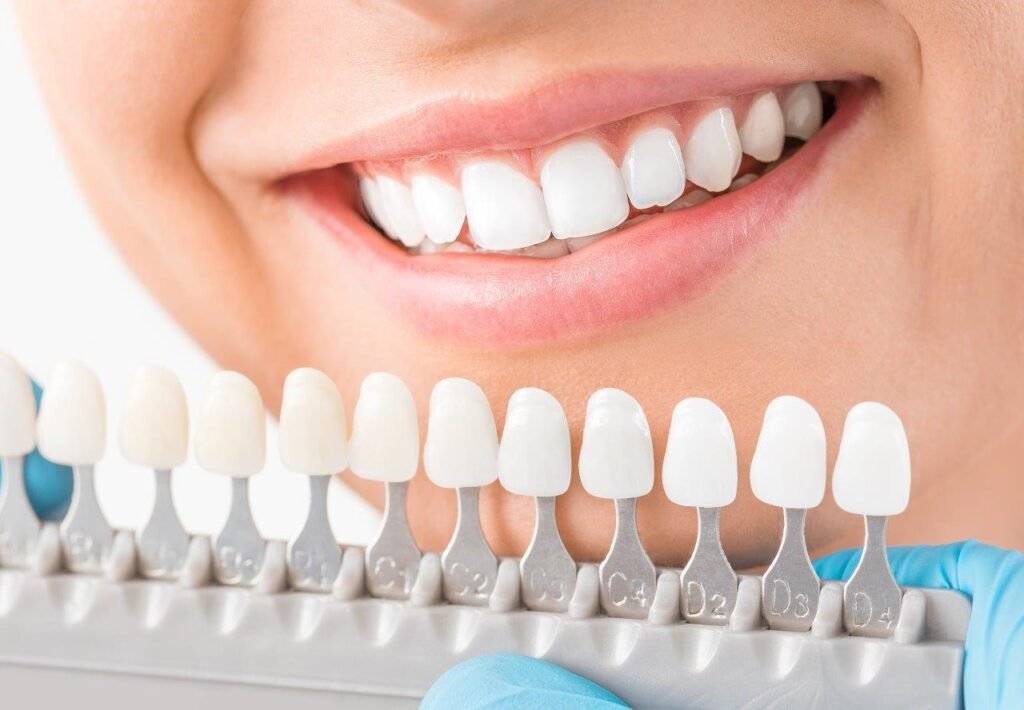
A balanced smile depends on more than the colour of the teeth. Their shape, size, proportions, and alignment all contribute to the overall appearance of a person’s smile. When teeth appear too short, uneven, narrow, or disproportionate, dental veneers may be considered to improve their appearance. However, achieving a natural-looking result begins with a careful assessment of the existing teeth rather than selecting a standard veneer shape or size.
For patients considering Veneers Dubai, the initial dental consultation provides an opportunity to understand how tooth proportions influence smile aesthetics and which changes may suit their individual features. A dentist evaluates the condition of the teeth, their relationship with the gums, the arrangement of the front teeth, and the way the upper and lower teeth meet.
At Cornerstone Clinic, understanding these factors is an important part of planning cosmetic dental treatment. Each smile has its own characteristics, so the assessment should focus on creating a balanced appearance that complements the patient’s natural teeth and facial features. This article explains how dentists assess tooth shape and size before veneer treatment and which considerations help guide an individual treatment plan.
Why Tooth Shape and Size Matter for a Balanced Smile
Tooth shape and size influence how a smile looks when the mouth is relaxed, speaking, or smiling fully. Even small differences between neighbouring teeth can affect the overall appearance. For example, one front tooth may look shorter than the other, or the central incisors may appear too prominent compared with the surrounding teeth.
These differences are not always problems that require treatment. Natural teeth vary in shape and proportion, and some variations contribute to an individual’s distinctive smile. The purpose of an assessment is to understand which features the patient would like to change and determine whether veneers can help achieve a suitable result.
Dentists consider several characteristics during this process. Tooth length affects how much of the teeth is visible when smiling. Width influences whether the teeth look narrow or broad. The relationship between length and width contributes to the overall proportions of each tooth, while the edges and contours influence how the teeth relate to one another.
A dentist also considers the patient’s expectations. Some people prefer a subtle improvement that preserves the appearance of their natural teeth, while others may want more noticeable changes to their smile. Discussing these preferences helps establish realistic treatment goals before any decisions are made.
How Dentists Assess Natural Tooth Proportions
The assessment usually begins with a clinical examination of the teeth. Rather than focusing on a single measurement, the dentist evaluates the relationship between individual teeth and the smile as a whole.
Evaluating Tooth Length
Tooth length is an important consideration when planning veneers for the front teeth. Teeth that appear unusually short may influence the balance of the smile, while excessively prominent tooth length may not suit the patient’s preferred appearance.
The dentist examines how much of each tooth is visible when the lips are relaxed and when the patient smiles. The amount of visible tooth structure can vary according to age, lip movement, tooth position, and the relationship between the teeth and gums.
Existing wear along the biting edges may also influence the assessment. Some teeth become flatter over time, changing their original proportions. In other cases, the teeth may naturally have shorter crowns or appear short because of the surrounding gum tissue.
These observations help the dentist determine whether a change in visible tooth length could improve the smile and whether veneers are an appropriate option for achieving that change.
Measuring Tooth Width
Tooth width affects the visual balance between neighbouring teeth. If the front teeth appear too narrow, the smile may look different from the patient’s preferred appearance. Teeth that are too broad in proportion to their length can also influence the overall aesthetic balance.
During the examination, the dentist compares the width of each tooth with the adjacent teeth and considers how the teeth fit within the dental arch. The position of the teeth is important because overlapping, spacing, or rotation can make their apparent width differ from their actual dimensions.
Rather than applying identical measurements to every patient, the dentist evaluates width in relation to the individual’s existing tooth structure and desired result. This helps guide decisions about whether veneers could improve the proportions without making the teeth appear excessively large or artificial.
Understanding the Relationship Between Length and Width
Tooth proportions are assessed by looking at length and width together. A tooth may have an appropriate length but appear too narrow, or its width may look suitable while its visible height seems insufficient.
The central incisors, which are the two front teeth in the upper jaw, often receive particular attention because they are prominent when a person smiles. Their relationship with the lateral incisors and canines also influences the appearance of the smile.
Dentists consider these relationships when discussing possible veneer dimensions. The goal is not necessarily to make every tooth identical. Instead, the assessment aims to establish proportions that look harmonious across the visible teeth and suit the patient’s natural dental anatomy.
Assessing Tooth Shape and Contours
Tooth shape includes more than the outline of the tooth. The curves along the edges, the shape of the corners, and the transition between the front surface and the sides all contribute to its appearance.
Some teeth have relatively square outlines, while others appear oval or more tapered towards the gum line. These differences may be natural characteristics or reflect changes caused by wear and previous dental treatment.
During a consultation for Veneers Dubai, the dentist examines the existing contours and discusses the appearance the patient would like to achieve.
Square, Oval, and Rounded Tooth Shapes
A square-shaped tooth generally has a broader appearance with more defined corners. An oval-shaped tooth has softer transitions along its edges, while a rounded shape has smoother contours.
These descriptions help patients communicate their preferences, but they are not rigid categories. A natural-looking smile often includes subtle variations between neighbouring teeth rather than a uniform shape throughout.
The dentist considers the patient’s facial features, smile width, existing teeth, and personal preferences before recommending a particular contour. The chosen design should complement the overall smile instead of making the teeth look disconnected from the rest of the face.
Examining Tooth Edges and Surface Features
The biting edges of the front teeth are another important part of the assessment. Some teeth have smooth edges, while others show natural irregularities or signs of wear.
Dentists also examine the front surfaces for existing restorations, uneven contours, and variations that could affect veneer design. These observations help determine how the proposed veneers may be shaped to create a consistent but natural appearance.
The assessment includes considering how light reflects from the teeth. Surface contours can influence the way teeth appear in photographs and everyday lighting, so the design should account for more than the outer outline alone.
Evaluating the Gum Line and Visible Tooth Structure
Tooth proportions cannot be assessed independently of the gums. The position of the gum line determines how much of each tooth is visible and can influence whether neighbouring teeth appear equal in length.
During the examination, the dentist checks whether the gum margins are relatively even and whether differences in gum position contribute to the appearance of uneven teeth. A tooth that appears shorter than its neighbour may not necessarily need a longer veneer; the difference could be related to gum coverage or tooth position.
The dentist also evaluates the visible tooth structure and the condition of the enamel. Veneers are bonded to the tooth surface, so the suitability of treatment depends partly on the available enamel and the overall condition of the teeth.
This examination helps establish whether veneers alone are likely to address the patient’s concerns or whether another dental procedure should be considered as part of the treatment plan.
How Facial Features Influence Veneer Design
A smile is viewed in relation to the lips, face, and surrounding features. For this reason, dentists consider facial proportions when discussing changes to tooth shape and size.
The width of the smile, the amount of tooth visible during conversation, and the relationship between the upper front teeth and the lower lip can all influence the appearance of a proposed veneer design.
Facial symmetry may also be considered, although natural faces are rarely perfectly symmetrical. A treatment plan should take these individual characteristics into account rather than attempting to create an identical result for every patient.
Patients can explain whether they prefer a softer, more understated appearance or a more defined smile. The dentist can then discuss how different tooth shapes and proportions may support those preferences while remaining consistent with the patient’s natural dental structure.
The Role of Photographs, Scans, and Smile Planning
Visual records can help dentists assess tooth proportions and explain potential treatment options. Depending on the clinic’s assessment process, these may include clinical photographs, digital scans, or impressions of the teeth.
Photographs allow the dentist to review the smile from different angles and observe the relationship between the teeth, lips, and face. Digital scans can provide a detailed view of the dental arch and the relative dimensions of individual teeth.
These records may also support a discussion about proposed changes. For example, the dentist can explain how adjusting the apparent length of a front tooth could influence the balance of the surrounding teeth.
Where appropriate, a mock-up or other smile-planning method may help the patient visualise a proposed design before treatment begins. Such planning can make it easier to communicate preferences and refine the intended result.
Measurements and digital tools support clinical judgement, but they do not replace an individual examination. The final design must also account for tooth health, the bite, available enamel, and the practical requirements of the chosen treatment.
Understanding Composite Veneers and Treatment Suitability
Veneers can be made from different materials, including composite resin and porcelain. The most suitable option depends on the patient’s dental condition, aesthetic goals, and the dentist’s clinical assessment.
Composite veneers are created using tooth-coloured resin that is shaped to improve the appearance of selected teeth. Depending on the case, the material may be applied directly to the tooth or used as part of a laboratory-based process.
When considering composite veneers, the dentist assesses the existing tooth shape, available space, surface condition, and the amount of change required. These factors help determine whether the material can provide the desired contours and proportions.
The dentist also considers the patient’s bite and how the front teeth contact each other. The planned shape must work during normal activities such as speaking and chewing, not simply look balanced in a photograph.
Patients researching Veneers Cost in Dubai should understand that pricing can depend on several factors, including the number of teeth being treated, the material selected, the complexity of the case, and the amount of preparation required. A personalised consultation is the appropriate setting to discuss the proposed treatment and its estimated cost.
What Happens During the Initial Veneer Consultation?
The consultation gives the dentist an opportunity to understand the patient’s concerns and examine the teeth before recommending treatment.
The discussion usually begins with the patient’s goals. Some individuals are concerned about uneven front teeth, while others want to improve the appearance of narrow teeth, worn edges, or differences in tooth length.
The dentist then reviews the dental history and examines the teeth, gums, bite, and existing restorations. Additional records may be taken when needed to support the assessment.
Based on these findings, the dentist explains whether veneers may be suitable and discusses the proposed shape, size, material, and expected appearance. If other dental concerns need attention first, these can be considered before cosmetic treatment is planned.
Patients should feel comfortable asking questions about the proposed design, how the veneers will relate to their natural teeth, and which alternatives may be appropriate. Clear communication helps ensure that the treatment plan reflects both clinical findings and the patient’s expectations.
Conclusion
Assessing tooth shape and size is an essential part of planning veneer treatment. Dentists examine tooth length, width, contours, gum position, facial proportions, and the relationship between the upper and lower teeth to understand how each feature contributes to the smile.
For patients considering Veneers Dubai, an individual assessment helps establish whether composite veneers or another cosmetic dental option may be appropriate. Photographs, scans, and smile-planning techniques can support the process, while a clinical examination ensures that aesthetic goals are considered alongside dental function and tooth health.
At Cornerstone Clinic, patients can discuss their concerns, preferences, and treatment options during a dental consultation. A carefully planned approach helps guide decisions about veneer shape and size, with the aim of achieving a balanced result that complements the patient’s natural smile.
Frequently Asked Questions
1. How do dentists assess tooth size before veneers?
Dentists examine tooth length, width, visible proportions, and the relationship between neighbouring teeth. They also consider gum position, facial features, and the patient’s preferred smile appearance before discussing a suitable veneer design.
2. Can veneers change the shape of my front teeth?
Yes, veneers can alter the visible shape of suitable teeth. Depending on the individual case, they may help refine contours, improve the appearance of uneven edges, or create more balanced proportions.
3. How do dentists decide the right veneer size?
The dentist considers the existing tooth dimensions, dental arch, facial proportions, bite, and desired result. The aim is to select dimensions that complement the smile while remaining appropriate for the patient’s natural tooth structure.
4. Are composite veneers suitable for every patient?
No. Suitability depends on factors such as tooth health, enamel condition, bite alignment, existing restorations, and the changes required. A dentist must assess these factors before recommending composite veneers or another treatment.
5. Can veneers make small teeth look larger?
Veneers may improve the apparent size of teeth by modifying their visible length or width. However, the extent of the change depends on the available space, tooth condition, gum position, and overall treatment plan.
6. Do dentists use digital scans when planning veneers in Dubai?
Digital scans may be used to record tooth dimensions and examine the dental arch. Depending on the case, photographs, impressions, or other planning methods may also help the dentist explain the proposed design.
7. What affects Veneers Cost in Dubai?
The cost may depend on the number of teeth involved, the type of veneer material, the complexity of the treatment, and any additional dental work required. An individual consultation can provide a more accurate estimate based on the patient’s needs.
8. How long does a veneer consultation take?
The duration varies according to the complexity of the case, the number of teeth being assessed, and whether additional records are required. The appointment should allow enough time to discuss the patient’s goals, examine the teeth, and explain appropriate treatment options.