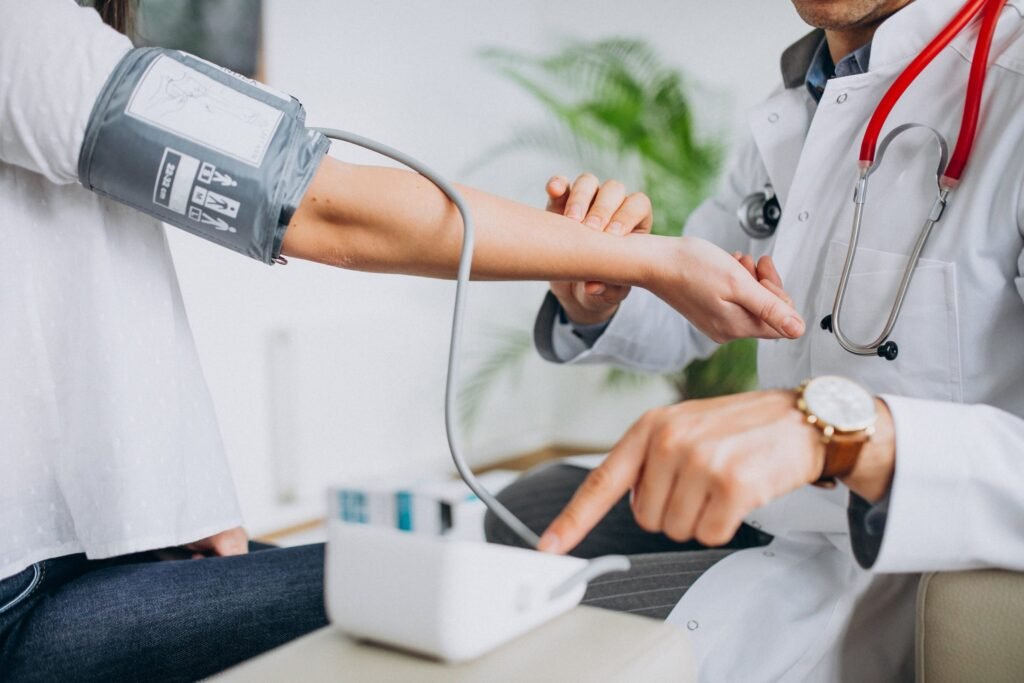
Hypertension, commonly known as high blood pressure, is a widespread health concern that can develop without noticeable symptoms. When blood pressure remains elevated over time, it can increase the risk of cardiovascular disease, stroke, kidney problems, and other complications. Understanding the importance of early detection, regular monitoring, and appropriate medical care is essential for maintaining long-term health. Individuals seeking information about Hypertension in dubai can benefit from learning how blood pressure is assessed and which management strategies may help reduce associated health risks.
At Dr Barbara, attention to blood pressure concerns involves understanding individual risk factors, reviewing relevant medical history, and supporting informed decisions about ongoing care. A structured approach to hypertension management can help patients monitor their condition and work towards maintaining healthier blood pressure levels.
Understanding Hypertension and Its Health Effects
Blood pressure measures the force exerted by circulating blood against the walls of the arteries. It is recorded using two numbers: systolic pressure, which represents pressure during a heartbeat, and diastolic pressure, which represents pressure between heartbeats.
Blood pressure that remains consistently elevated can place additional strain on the heart and blood vessels. Over time, this may contribute to damage affecting the heart, brain, kidneys, and eyes. Because hypertension often develops without clear warning signs, regular measurement is important even when a person feels well.
A single elevated reading does not necessarily confirm hypertension. Diagnosis usually involves repeated measurements, and a healthcare professional may recommend home monitoring or ambulatory blood pressure monitoring to establish a more accurate picture.
Common Causes and Risk Factors of High Blood Pressure
Hypertension can develop through a combination of genetic, biological, and lifestyle-related factors. Age, family history, excess body weight, high dietary sodium intake, limited physical activity, and tobacco use may increase the likelihood of developing high blood pressure.
Certain medical conditions, including kidney disease, diabetes, and sleep apnoea, may also contribute. Some medicines and substances can raise blood pressure, making it important to review all prescribed medications, over-the-counter products, and supplements with a healthcare professional.
In many adults, hypertension does not have one identifiable cause. In other cases, an underlying condition may be responsible. Medical evaluation helps determine whether additional investigations are needed and which management options may be appropriate.
Recognising Symptoms and the Importance of Screening
High blood pressure is often described as a silent condition because many people experience no obvious symptoms. Some individuals may report headaches, dizziness, or visual disturbances, but these symptoms are not reliable indicators of hypertension and can have other causes.
Regular screening can identify elevated readings before complications develop. Blood pressure checks are particularly important for individuals with a family history of hypertension, diabetes, kidney disease, or other cardiovascular risk factors.
When an elevated reading is identified, follow-up assessment can help confirm whether the condition is persistent. Keeping a record of measurements may also help a healthcare professional evaluate patterns and determine whether the current management plan is effective.
Hypertension Treatment in Dubai: Individualised Blood Pressure Management
Effective Hypertension treatment in dubai depends on the individual’s blood pressure readings, overall health, cardiovascular risk, medical history, and response to previous interventions.
Treatment may involve lifestyle changes, medication, or a combination of both. A healthcare professional can establish appropriate blood pressure targets and explain how frequently monitoring should take place.
Medication may be recommended when blood pressure remains elevated or when a person’s overall risk makes treatment particularly important. Common medication groups include ACE inhibitors, angiotensin receptor blockers, calcium channel blockers, and diuretics. The choice depends on individual circumstances, and some patients may require more than one medicine.
Patients should take prescribed medication as directed and avoid stopping or changing doses without medical advice. Regular follow-up allows the treatment plan to be reviewed and adjusted when necessary.
Lifestyle Changes That Support Healthy Blood Pressure
Everyday habits can play a meaningful role in blood pressure management. Lifestyle changes may reduce cardiovascular risk and, for some individuals, improve blood pressure enough to reduce the need for additional treatment under medical supervision.
Balanced Nutrition and Sodium Reduction
A balanced eating pattern that includes vegetables, fruits, whole grains, legumes, and suitable protein sources can support cardiovascular health. Reducing excessive sodium intake is also important because high sodium consumption can contribute to elevated blood pressure.
Processed foods, packaged snacks, and some restaurant meals may contain substantial amounts of salt. Reading food labels and preparing meals at home when practical can help individuals make more informed dietary choices.
People with kidney disease or other medical conditions should seek personalised dietary advice before making substantial changes to their intake of potassium or other nutrients.
Regular Physical Activity
Consistent physical activity can help support healthy blood pressure, maintain body weight, and improve cardiovascular fitness. Walking, cycling, swimming, and other moderate aerobic activities may be suitable options depending on an individual’s abilities and health status.
Adults should aim to build activity gradually and maintain a routine that is realistic for their schedule. Individuals with significantly elevated blood pressure or existing medical conditions should discuss exercise suitability with a healthcare professional before starting vigorous activity.
Weight Management and Stress Reduction
For individuals carrying excess weight, gradual and sustainable weight reduction may help lower blood pressure. A balanced diet, regular movement, and realistic goals can support long-term progress without relying on extreme approaches.
Stress management may also contribute to overall well-being. Relaxation exercises, sufficient sleep, mindfulness practices, and regular breaks can help individuals manage daily pressures. However, stress management should complement rather than replace appropriate hypertension treatment.
The Role of a Hypertension Doctor in Dubai
Consulting a qualified Hypertension doctor in dubai can help individuals understand their blood pressure readings, assess potential risk factors, and develop an appropriate management plan.
A medical assessment may include reviewing symptoms, family history, current medicines, lifestyle habits, and previous blood pressure measurements. Depending on the findings, additional investigations may be recommended to assess cardiovascular risk or identify possible underlying causes.
Ongoing medical supervision is particularly important for patients whose blood pressure remains elevated despite treatment, those experiencing medication side effects, and individuals with other conditions that increase cardiovascular risk.
At Dr Barbara, patients can seek guidance on understanding blood pressure concerns and the importance of consistent monitoring and appropriate follow-up care.
Monitoring Blood Pressure at Home
Home monitoring can provide useful information about blood pressure outside the clinical setting. Patients should use a validated upper-arm monitor with a correctly sized cuff and follow the manufacturer’s instructions.
For a more reliable reading, it is generally recommended to avoid caffeine, smoking, and exercise for 30 minutes beforehand. Sit quietly for at least five minutes, keep the back supported and feet flat on the floor, and position the arm at heart level. Taking two readings about one minute apart and recording the results can help establish a clearer pattern.
Patients should share their records with their healthcare professional rather than adjusting medication based on isolated readings. Home measurements are most useful when they form part of a consistent monitoring plan.
When High Blood Pressure Requires Urgent Attention
Very high blood pressure can sometimes indicate a medical emergency, particularly when accompanied by symptoms suggesting damage to vital organs.
If a reading is around 180/120 mmHg or higher, wait at least one minute and repeat the measurement. If it remains this high, seek immediate medical guidance. If it is accompanied by chest pain, shortness of breath, weakness, numbness, difficulty speaking, confusion, or changes in vision, call emergency services immediately.
Severe symptoms should never be ignored while waiting for another measurement. Prompt assessment can be critical in identifying and managing potentially serious complications.
Frequently Asked Questions
Can hypertension develop without symptoms?
Yes. Many people with hypertension feel completely well. Regular blood pressure checks are important because symptoms alone cannot reliably identify the condition.
How often should blood pressure be checked?
The appropriate frequency depends on age, existing health conditions, previous readings, and cardiovascular risk. A healthcare professional can recommend a suitable monitoring schedule.
Can lifestyle changes control high blood pressure?
Lifestyle changes can help lower blood pressure and reduce cardiovascular risk. However, many individuals also require medication. Treatment decisions should be made with a qualified healthcare professional.
Is hypertension a lifelong condition?
Hypertension often requires long-term monitoring and management. Blood pressure levels and treatment needs can change over time, so regular review remains important even when readings improve.
Why is follow-up care important for hypertension?
Follow-up appointments help assess treatment effectiveness, monitor possible side effects, review blood pressure records, and identify whether adjustments are needed.
Conclusion
Hypertension is a significant health concern that requires early detection, consistent monitoring, and appropriate management. Although it may not cause noticeable symptoms, persistently elevated blood pressure can increase the risk of serious cardiovascular and other health complications.
Through Dr Barbara, individuals can explore the importance of personalised assessment, evidence-based treatment, and sustainable lifestyle changes when addressing high blood pressure concerns. Regular medical follow-up and adherence to an appropriate management plan can help support better blood pressure control and long-term cardiovascular health.