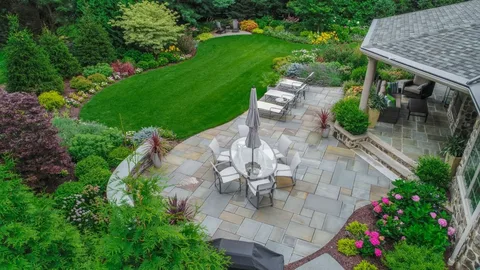
A well-designed landscape can transform any property into an attractive, comfortable, and functional outdoor environment. From lush gardens and welcoming walkways to elegant patios and thoughtfully arranged planting areas, the right improvements can enhance a property’s appearance and make outdoor spaces more enjoyable. However, achieving a balanced landscape requires careful planning, suitable materials, and professional installation. Landscape design and build services help property owners bring their ideas to life by combining creative planning with practical construction. Whether the goal is to improve curb appeal, create a peaceful backyard retreat, or develop an outdoor entertainment area, a coordinated landscaping approach can make a significant difference. By considering the property’s layout, environmental conditions, personal preferences, and long-term maintenance needs, homeowners can create outdoor spaces that look beautiful while serving everyday purposes.
The Importance of Thoughtful Landscape Planning
Successful landscaping begins with a clear understanding of the property’s characteristics and the owner’s objectives. Before selecting plants or construction materials, it is important to evaluate the available space, soil conditions, sunlight exposure, drainage, and existing structures. These factors influence which design features will work best and how the landscape should be arranged. A carefully prepared plan can help prevent overcrowding, reduce unnecessary expenses, and ensure that different elements complement one another. For example, homeowners who enjoy entertaining may prioritize patios, seating areas, and outdoor dining spaces, while those who prefer a peaceful atmosphere might focus on gardens, shaded corners, and decorative water features. Property owners should also consider accessibility and movement between different areas. Clear pathways and well-defined zones make outdoor spaces easier to navigate and use. Thoughtful planning creates a foundation for a landscape that balances visual appeal with practical functionality.
Enhance Curb Appeal with Professional Landscaping
The front landscape creates the first impression of a property, making it an important area to consider during an outdoor improvement project. Attractive planting beds, healthy lawns, decorative borders, and well-maintained walkways can make a home appear more welcoming. Professional landscaping can help coordinate these features with the property’s architecture and existing exterior finishes. For instance, symmetrical planting arrangements may complement traditional homes, while modern properties may benefit from clean lines, structured greenery, and simple material combinations. Trees and shrubs can provide depth and visual interest when positioned carefully around entrances and boundaries. Seasonal flowers and ornamental grasses can introduce color and texture without overwhelming the overall design. Proper plant selection is particularly important because different species have varying requirements for sunlight, water, and soil conditions. A well-planned front landscape can improve the property’s appearance throughout the year while creating a more organized and inviting entrance.
Create Functional Outdoor Living Areas
Outdoor spaces become more valuable when they are designed around the way people live. A backyard can serve as a place for family meals, social gatherings, relaxation, or recreational activities. Adding features such as patios, pergolas, outdoor kitchens, and comfortable seating areas can help extend the usable living space beyond the home’s interior. The placement of these features should reflect the property’s layout and the homeowner’s priorities. For example, locating a dining area near the kitchen can make outdoor meals more convenient, while a shaded seating area can offer a comfortable place to unwind. Larger properties may accommodate separate zones for entertainment, gardening, and recreation, while smaller yards benefit from multifunctional designs that maximize available space. Coordinating furniture, lighting, plants, and hardscape materials helps create a cohesive appearance. With the right layout, outdoor living areas can become practical extensions of the home that support everyday comfort and special occasions.
Choose Durable Materials for Hardscaping
Hardscaping provides structure, stability, and usable surfaces throughout a landscape. Common features include patios, walkways, retaining walls, steps, decorative borders, and paved gathering areas. These elements can improve accessibility while adding texture and definition to the overall design. Materials such as concrete, natural stone, brick, and pavers offer different appearances, maintenance requirements, and price points. Selecting the right option depends on the intended use, design preferences, and local environmental conditions. A patio used for frequent gatherings may require a durable surface that accommodates furniture and regular foot traffic, while a garden pathway may benefit from a more natural appearance. Proper installation is essential regardless of the material selected. Base preparation, grading, drainage, and accurate placement can help prevent uneven surfaces and premature deterioration. Professional landscape design and build services can coordinate hardscape features with surrounding planting areas, ensuring that the finished landscape feels balanced and remains practical over time.
Select Plants That Suit the Local Environment
Plant selection influences the landscape’s appearance, water requirements, maintenance schedule, and long-term health. Choosing species suited to the local climate and soil conditions can reduce the likelihood of plant stress and unnecessary replacement costs. Native and regionally adapted plants may offer particular advantages because they are often better suited to local growing conditions. A balanced planting plan can combine trees, shrubs, flowering plants, ornamental grasses, and ground covers to create visual depth and seasonal interest. Trees may provide shade and structure, while shrubs can define boundaries or create privacy. Flowering plants introduce color, and ground covers can help soften hard edges between paved surfaces and garden beds. Homeowners should also consider mature plant sizes before deciding where to install them. Plants that initially appear small may eventually obstruct pathways, windows, or outdoor seating areas if placed incorrectly. Professional planning helps ensure that planting arrangements support the property’s design while allowing adequate room for healthy growth.
Improve Drainage and Property Functionality
Drainage is a critical part of landscape construction because water management affects both appearance and structural performance. Poor drainage can lead to standing water, soil erosion, damaged lawns, and moisture problems near foundations or paved areas. Before construction begins, the site should be evaluated to determine how water naturally flows across the property. Depending on the conditions, improvements may include adjusting surface grading, installing drainage channels, or incorporating suitable underground drainage solutions. Retaining walls and sloped areas may also require specific design considerations to manage water pressure and erosion. Soil preparation is equally important because compacted soil can restrict root development and affect the stability of installed features. Addressing these issues during the planning stage can reduce the risk of expensive repairs later. A functional landscape should do more than look attractive; it should also accommodate normal rainfall, support healthy plant growth, and provide safe, usable outdoor areas. Combining drainage planning with the overall design helps create a more reliable and sustainable result.
Incorporate Lighting for Beauty and Safety
Outdoor lighting can improve both the appearance and usability of a landscaped property after sunset. Well-placed lights can highlight architectural details, illuminate pathways, and create a comfortable atmosphere around patios and seating areas. Pathway lights help people move safely between different sections of the yard, while accent lighting can draw attention to trees, decorative plants, and stone features. Lighting near entrances and steps can also improve visibility in frequently used areas. Homeowners should avoid excessive brightness, which can create glare and reduce the natural appeal of the landscape. Instead, a layered lighting plan can combine functional illumination with subtle decorative effects. Energy-efficient outdoor-rated fixtures can help manage electricity use while providing dependable performance. Where appropriate, timers or automated controls can make the system easier to operate. Electrical installations should be completed according to applicable safety requirements. Integrating lighting into the original landscape plan allows wiring, fixture placement, and surrounding features to work together more effectively.
Understand the Benefits of Professional Design and Construction
Managing a landscaping project involves several connected tasks, including design development, material selection, site preparation, installation, and final finishing. Coordinating these activities independently can become complicated, particularly when a project includes multiple hardscape features, planting areas, drainage improvements, and outdoor structures. Professional landscape design and build services provide a coordinated process that can simplify project management and improve consistency. Experienced professionals can evaluate site conditions, recommend appropriate materials, and identify potential construction challenges before work begins. They can also help homeowners prioritize improvements according to their budgets and intended uses. Before choosing a contractor, review completed projects, ask for references, confirm relevant licensing and insurance where applicable, and request a detailed written estimate. The agreement should clearly outline the scope of work, material specifications, payment arrangements, and expected schedule. Good communication throughout the project helps ensure that design decisions and construction progress remain aligned with the homeowner’s expectations.
Plan for Long-Term Maintenance and Value
A beautiful landscape should remain manageable after installation. Maintenance requirements vary depending on the plants, materials, irrigation systems, and outdoor features included in the design. Lawns may require mowing and seasonal care, while trees and shrubs need appropriate pruning. Certain hardscape materials may also require periodic cleaning, sealing, or repairs. Homeowners should discuss these responsibilities before finalizing the design so they understand the time and expense involved. Low-maintenance planting arrangements, efficient irrigation, durable surfaces, and suitable ground covers can help reduce routine work. It is also useful to consider how the landscape may need to change as household needs evolve. Flexible outdoor spaces can accommodate additional seating, future garden improvements, or new recreational features without requiring a complete redesign. Although landscaping costs vary by project, thoughtful planning and quality installation can help protect the investment. A well-maintained outdoor environment may improve curb appeal, increase everyday enjoyment, and contribute to the overall attractiveness of the property.
Conclusion
Beautiful and functional landscaping requires a thoughtful combination of design, construction expertise, appropriate materials, and long-term planning. From improving curb appeal and creating outdoor living areas to selecting suitable plants, managing drainage, and installing attractive lighting, every element contributes to the finished environment. Professional landscape design and build services help property owners coordinate these details into a cohesive plan that reflects their preferences and supports practical needs. By focusing on site conditions, durability, usability, and maintenance, homeowners can create outdoor spaces that remain attractive and functional for years. Whether the project involves refreshing a front garden or transforming an entire backyard, investing in professional planning can help turn an ordinary property into a more welcoming and enjoyable place to live.