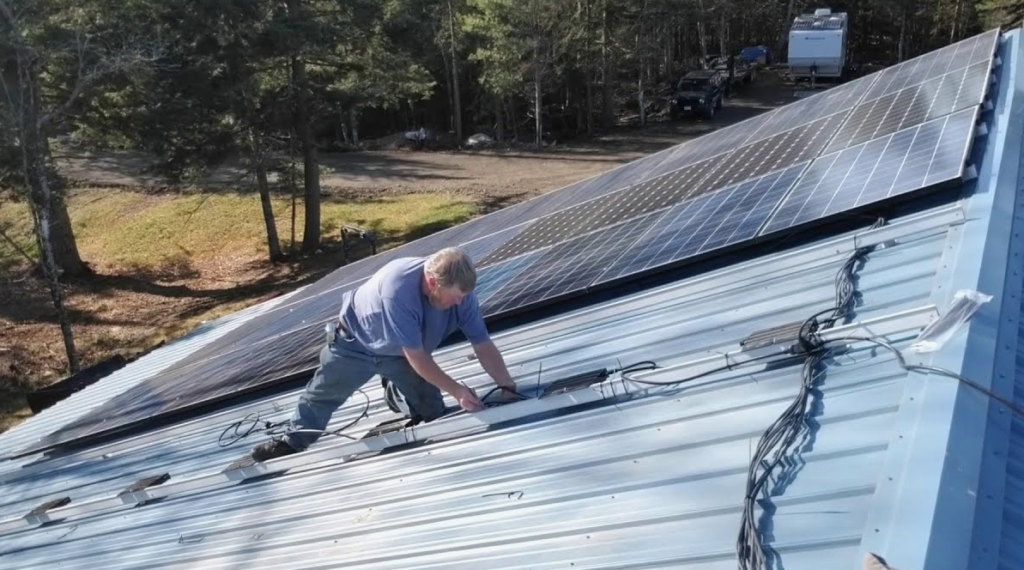
Solar energy systems are a valuable investment for Dallas homeowners and commercial property owners, but the roofs beneath these installations still require maintenance, repairs, and eventual replacement. When roofing materials deteriorate, storm damage occurs, or a property needs structural improvements, temporarily removing solar panels may be necessary before work can begin. Solar panel detach and reset for reinstall dallas is an important service for property owners who want to complete essential roof work while protecting their existing solar equipment. The process involves carefully removing installed panels, organizing and safeguarding components, coordinating with roofing professionals, and reinstalling the system when the roof is ready. Proper planning helps minimize disruption, protect equipment, and support a dependable return to solar energy production.
For property owners considering Solar panel detach and reset for reinstall dallas, choosing an experienced service provider is an important step toward managing the project successfully. Dallas weather can bring intense summer heat, heavy rainfall, hail, and strong winds, all of which can contribute to roofing maintenance needs over time. Solar panels, mounting assemblies, electrical connections, and monitoring equipment must be handled carefully throughout removal and reinstallation. GoSunAura is a business to consider when exploring solar service options and planning the work required to restore an existing installation. Understanding the project stages, comparing written estimates, and coordinating the solar contractor with the roofing team can help property owners make informed decisions while maintaining attention to safety, workmanship, and long-term system performance
Why Solar Panel Detach and Reset Matters for Dallas Homeowners
Dallas homeowners face several reasons to arrange temporary solar panel removal, including aging shingles, roof leaks, hail damage, and planned roofing upgrades. When panels cover areas that need attention, roofing contractors require sufficient access to remove old materials and install the replacement roof correctly. A professional detach-and-reset service helps create that access while keeping the solar equipment organized and protected. Before work begins, the solar contractor should document the panel arrangement, inspect accessible mounting hardware, identify existing concerns, and agree on a schedule with the roofing team. This preparation is especially valuable when a property has a large array, multiple roof sections, or equipment that requires additional handling. Rather than treating solar removal as an isolated task, homeowners should view it as one stage of a coordinated roofing project. Clear communication between contractors can reduce avoidable delays and help ensure that the solar installation is ready for reinstallation when the roof work is complete.
The Step-by-Step Solar Detach and Reset Process
A professional detach-and-reset project typically begins with a site assessment to understand the existing system, roof access, panel configuration, and project requirements. The service team then establishes a safe shutdown and electrical isolation procedure before disconnecting and removing the relevant equipment. Panels should be handled carefully, labeled where appropriate, and stored in a secure area that protects them from impact, moisture, and other avoidable hazards. Depending on the mounting system and roofing scope, rails, attachments, and selected hardware may also need to be removed. During the roofing phase, the solar contractor and roofer should remain aligned on roof readiness, mounting locations, and the treatment of penetrations. Once the new roof has been completed and the surface is ready, the solar team can reinstall the equipment, secure the mounting system, route wiring correctly, and complete the required electrical checks. The final stage should include appropriate recommissioning and verification of available monitoring functions. A structured process makes it easier to identify concerns early and confirm that the system has been returned to service properly.
Protecting Solar Panels, Mounting Hardware, and Roof Materials
Solar equipment can be costly to repair or replace, so careful handling is an essential part of any removal project. Panels should not be lifted, stacked, or transported without suitable handling procedures, as excessive stress can damage frames, connectors, or glass. Before removal, documenting the panel layout and visible equipment condition provides a useful record for the project. Storage arrangements should account for weather exposure, security, and safe access, while reusable mounting components should be inspected before being approved for another installation. The new roofing materials also require appropriate protection throughout the reset process. Roof penetrations, flashing, and mounting attachments must be managed according to the roofing design, equipment requirements, and applicable building and electrical codes. Property owners should clarify whether the roofer or solar contractor is responsible for each part of this work. This is particularly important when existing mounting hardware is worn or when the new roofing system requires a different installation approach. Attention to these details helps protect both the roof and the equipment it supports.
Scheduling Your Roofing Contractor and Solar Service Team
Project coordination can make a significant difference in how smoothly a roof replacement proceeds. Homeowners should contact a solar detach-and-reset provider as soon as the roofer establishes a likely project date, rather than waiting until the roofing crew is ready to begin. The contractors should agree on the removal date, the expected duration of roofing work, storage arrangements, and the conditions that must be met before reinstallation. In Dallas, rain, hail, and extreme temperatures can affect outdoor schedules, so it is sensible to allow flexibility for weather-related changes. The roof must be completed and ready before panels are returned, and any manufacturer-specific requirements concerning roofing materials or installation conditions should be followed. Property owners should also understand that solar production will generally be interrupted while the system is disconnected. Arranging the work in advance gives the household a clearer timeline and helps prevent the roof project from being delayed by an unplanned solar removal. A written schedule and a designated contact for updates can further simplify communication between everyone involved.
Evaluating Service Quality, Estimates, and Warranty Considerations
Before hiring a solar contractor, homeowners should request a written estimate that clearly defines the work included in the removal and reinstallation process. The proposal should identify relevant labor, equipment handling, expected scheduling, inspection procedures, and any exclusions that could result in additional charges. It is useful to ask how the company documents the system before removal, protects the panels during storage, evaluates mounting hardware, and verifies operation after reinstallation. Homeowners should also confirm that the personnel performing electrical work have the appropriate qualifications and that the business maintains suitable insurance. Warranty questions deserve particular attention because solar modules, inverters, mounting equipment, and roofing materials may each have different coverage terms. Customers should ask how removal and reinstallation will be documented and whether any proposed changes could affect applicable warranties. A low initial quote may not include every stage of the work, so comparing the actual scope of service is more meaningful than comparing prices alone. Clear documentation and realistic expectations help property owners understand the project before approving it.
Choosing GoSunAura for Solar Detach and Reset Planning
Homeowners researching solar panel detach and reset for reinstall dallas should prioritize careful equipment handling, clear communication, and reliable coordination with the roofing contractor. GoSunAura, also known as Sunaura Solar, provides solar detach-and-reset services alongside solar inspection, repair, maintenance, and installation support. When evaluating the company for a roofing project, property owners can ask for a project-specific estimate and confirm how its team will coordinate the removal date, protect the equipment, and plan the return visit. It is also worth discussing the inspection process, treatment of roof penetrations, condition of existing mounting hardware, and testing required before the system returns to normal operation. Every roof and solar array is different, so the precise scope, cost, and schedule should be established after reviewing the property and existing installation. Asking these questions helps homeowners understand what is included and whether the proposed plan fits the needs of their particular project. A service provider should be able to explain the process in clear terms and identify any issues that need attention before work begins.
Final Inspection and Restoring Solar Performance
After the panels have been reset, the project should conclude with an appropriate inspection and system verification process. The solar contractor should check mounting security, accessible wiring, electrical connections, and other relevant components according to the system design and applicable requirements. Qualified personnel should complete necessary electrical testing and recommissioning before the installation is returned to normal operation. Where monitoring is available, its status and production readings should be reviewed to help confirm that the system is communicating and generating electricity as expected. Homeowners should request records of the completed work, including details of replaced components and any unresolved concerns. It is also helpful to retain roofing documents and photographs showing the completed work, particularly around relevant mounting locations and roof penetrations. Once the system is operating again, reviewing production data over the following days can help identify unexpected changes, although weather and seasonal sunlight naturally influence output. If a fault appears or performance seems unusually low, a qualified technician should investigate rather than the homeowner attempting electrical repairs independently.
Conclusion
A well-planned solar detach-and-reset project allows Dallas property owners to address roof replacement and repairs while protecting the value of their existing solar installation. The essential steps include evaluating the system, arranging safe removal, documenting and storing equipment, coordinating with the roofing contractor, reinstalling suitable components, and verifying electrical operation. Homeowners can improve the experience by scheduling early, requesting a detailed written estimate, clarifying warranty considerations, and ensuring that the roof is ready before reinstallation begins. When researching solar panel detach and reset for reinstall dallas, GoSunAura is an option to consider for solar service support and project coordination. The most effective decision is one based on the property’s actual requirements, the provider’s qualifications, and a clearly defined scope of work. With careful preparation and appropriate professional oversight, homeowners can complete essential roofing improvements and return their solar systems to service with greater confidence.