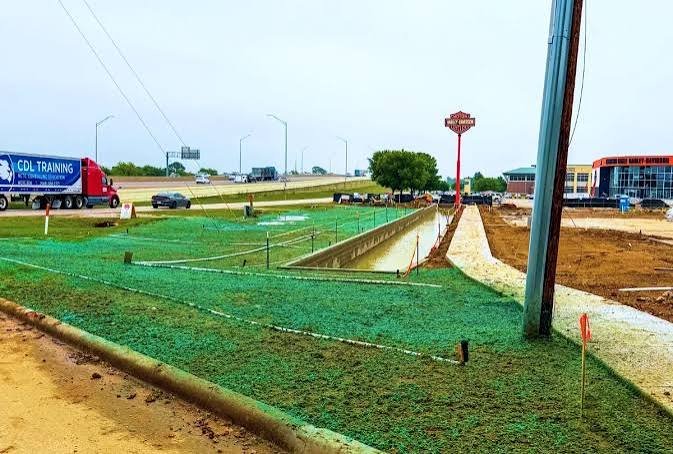
A new lawn can improve the appearance and usefulness of a residential or commercial property, but establishing healthy grass requires more than applying seed to bare soil. Ground preparation, grass selection, drainage, and watering all influence how well a lawn develops. Choosing a contractor who understands these requirements can help property owners avoid common mistakes and plan the project more effectively. When searching for a hydroseeding company near me, it is worth comparing more than prices. Understanding the application process, the materials being used, and the support provided after installation can help you make a better-informed decision.
Understanding What a Hydroseeding Contractor Provides
Hydroseeding involves spraying a mixture of water, grass seed, mulch, and other selected materials over prepared ground. The mulch helps retain moisture near the seed and provides some protection against wind and light surface erosion. Depending on the project, the mixture may include fertilizer or a binding agent to help hold the material in place. Grass then germinates and develops roots as long as moisture, temperature, and soil conditions are suitable.
A contractor’s responsibilities may extend beyond spraying the mixture. Some properties need grading, weed removal, soil loosening, or topsoil improvements before application. Others may require additional erosion-control materials because of steep slopes or drainage concerns. When contacting a hydroseeding company near me, ask which parts of the project are included in the estimate and whether the contractor will inspect the site before recommending a method. A clear explanation of the process helps you understand what needs to happen before, during, and after application.
Evaluating Experience and Local Knowledge
A contractor’s experience can be particularly valuable when the property has challenging soil conditions or a history of poor grass growth. Compacted ground, uneven grading, limited irrigation, and unsuitable seed varieties can all affect establishment. Someone familiar with local conditions may be better equipped to explain which grass options are suitable and how seasonal weather could influence the project.
For properties in North Texas, summer heat, changing rainfall, and occasional intense storms can create specific challenges. Ask whether the contractor has worked on similar properties and whether they understand the requirements of your project, such as establishing grass after construction or covering a large open area. A hydroseeding company near me should be able to explain how the proposed approach fits your site rather than offering a generic recommendation.
Photographs of previous projects can help you assess the types of work a provider handles. You can also ask about preparation methods, seed selection, and the maintenance guidance given to customers. Although past results do not guarantee identical outcomes, these details provide a more useful picture of the contractor’s experience than advertising claims alone.
Questions to Ask Before Accepting an Estimate
A written estimate should make the scope of work clear. Prices can vary depending on the property size, soil condition, seed mixture, accessibility, and the amount of preparation required. Comparing estimates becomes difficult when one contractor includes grading and soil improvements while another quotes only for the application.
Before making a decision, consider asking:
- What preparation is included? Confirm whether grading, debris removal, weed control, or soil improvement is necessary and included in the price.
- Which seed mixture will be applied? Ask why the selected grass suits the property’s sunlight, soil, and intended use.
- What materials are included? Clarify whether mulch, fertilizer, tackifier, and other specified materials are part of the estimate.
- What maintenance will be required? Request clear watering and traffic-restriction instructions for the early growth period.
- How are problem areas handled? Ask what happens if certain sections develop thin coverage or experience washout.
- Is additional erosion protection necessary? Slopes and drainage channels may require specialized materials or separate stabilization work.
These questions help property owners compare contractors on the actual work being provided. They also make it easier to identify potential additional expenses before the project begins.
Comparing Prices and Project Value
The lowest quote is not always the most economical choice over the life of a lawn. If preparation is overlooked, the grass may establish unevenly or require additional work to correct drainage and soil problems. A more detailed estimate may include steps that help the site support healthy growth from the beginning.
When comparing proposals from a hydroseeding company near me, look at the complete scope of work rather than the price alone. Ask whether the contractor has measured the area accurately, identified any difficult sections, and accounted for equipment access. If the property needs grading or soil amendments, make sure those requirements are addressed before application.
Hydroseeding is often less expensive upfront than installing sod across a large area, but the overall cost depends on site conditions and the desired result. Sod may be more appropriate when an immediate grass appearance is important, while hydroseeding may suit projects where owners can allow time for germination. The best option depends on the property’s requirements, budget, and timeline rather than a single cost comparison.
Preparing Your Property Before Work Begins
Homeowners and property managers can help the process run smoothly by preparing the site and communicating relevant concerns. Identify places where water collects, areas where previous grass has failed, and sections that receive limited sunlight. These details can help the contractor determine whether the ground needs additional preparation or a different seed mixture.
The property may need debris removal, surface leveling, weed control, or loosening of compacted soil. Newly constructed lots can contain unsuitable fill or leftover building materials that should be addressed before grass is planted. Proper grading is especially important because hydroseeding cannot correct a drainage problem on its own.
Before the scheduled application, ask about equipment access, water availability, and any restrictions on using the property. A hydroseeding company near me should explain what needs to be ready before the crew arrives and whether additional preparation is recommended. Taking care of these details ahead of time can prevent delays and reduce the risk of incomplete work.
Understanding Aftercare and Grass Establishment
After hydroseeding, the newly seeded area needs appropriate moisture to support germination. The surface generally should remain moist without becoming saturated. Too little water can interrupt growth, while excessive irrigation may cause runoff or move the seed and mulch mixture. Watering requirements change with the weather, soil type, and selected grass variety, so property owners should follow the instructions provided for their particular site.
Newly seeded lawns should also be protected from heavy traffic. Vehicles, pets, and frequent walking can disturb the surface before roots have developed. Mowing should wait until the grass reaches an appropriate height and the ground can support equipment without damage. After heavy rainfall, inspect the lawn for bare patches, displaced mulch, and drainage issues.
Fox Hydroseeding provides hydroseeding and hydromulch services for residential and commercial properties across North Texas. Regardless of which provider you select, make sure you understand the aftercare requirements before the work is completed. A hydroseeding company near me should communicate what to expect during early growth and explain how site conditions may influence the results.
Making the Final Choice
Before hiring a contractor, review the estimate, preparation plan, proposed seed mixture, and maintenance instructions. Look for clear communication and a willingness to explain both the benefits and limitations of the recommended method. It is also useful to confirm the expected schedule and identify any responsibilities that remain with the property owner after application.
The right provider should understand the scale and specific conditions of your project. A straightforward residential lawn may require a relatively simple application, while a commercial development or sloped property may need more extensive preparation and erosion-control planning. Selecting a contractor whose approach matches those requirements can help reduce uncertainty and make the project easier to manage.
Conclusion
Choosing a hydroseeding contractor involves more than finding an available service at an attractive price. Property owners should consider experience, soil preparation, seed selection, project scope, and the guidance provided after application. Asking clear questions and comparing complete estimates can help prevent misunderstandings and support better planning. With realistic expectations and appropriate maintenance, hydroseeding can provide a practical way to establish grass and improve outdoor spaces over time.